Physical activity as a tool to strengthen social relationships and build healthy communities
Why Movement Brings Us Together
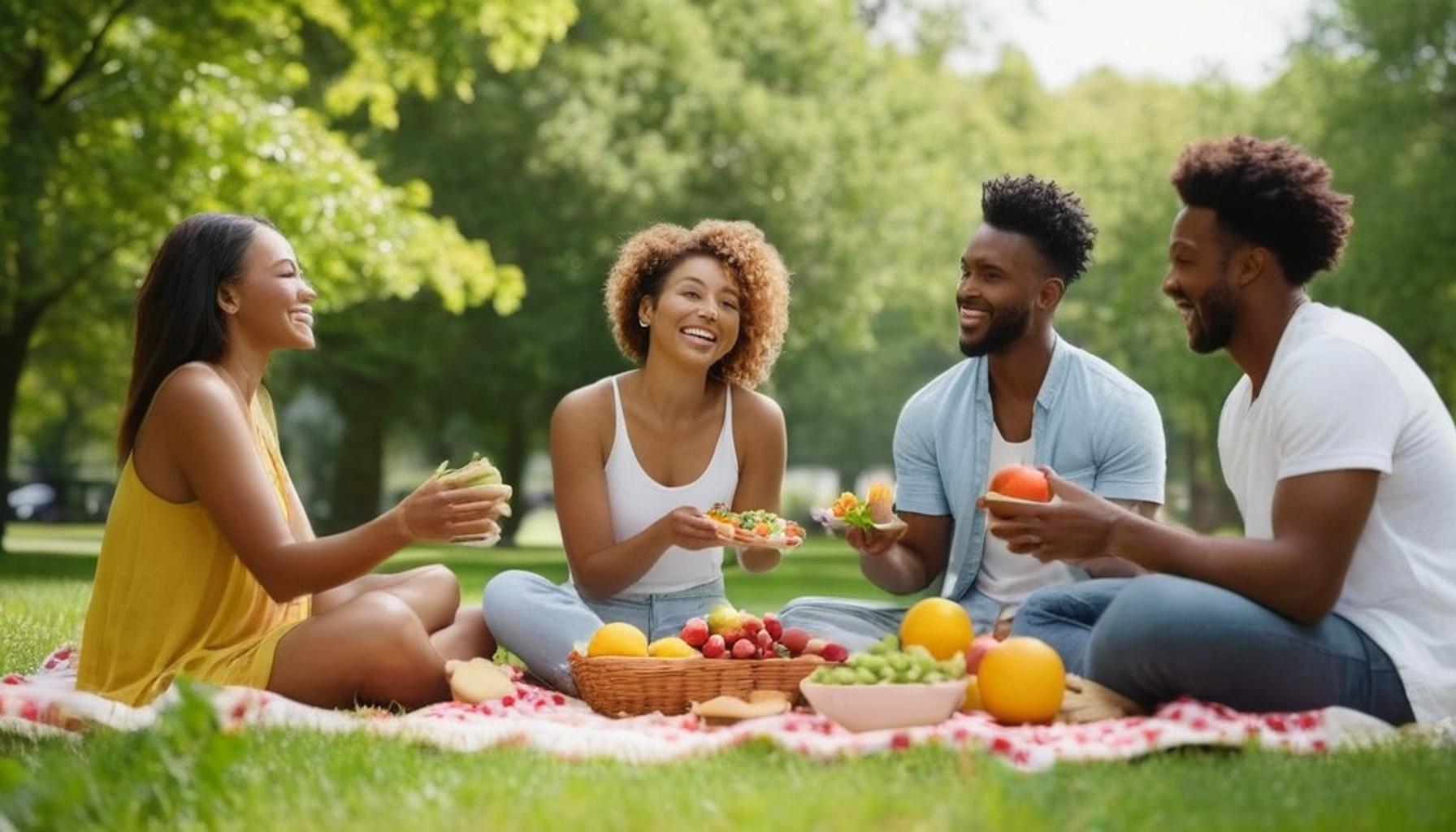
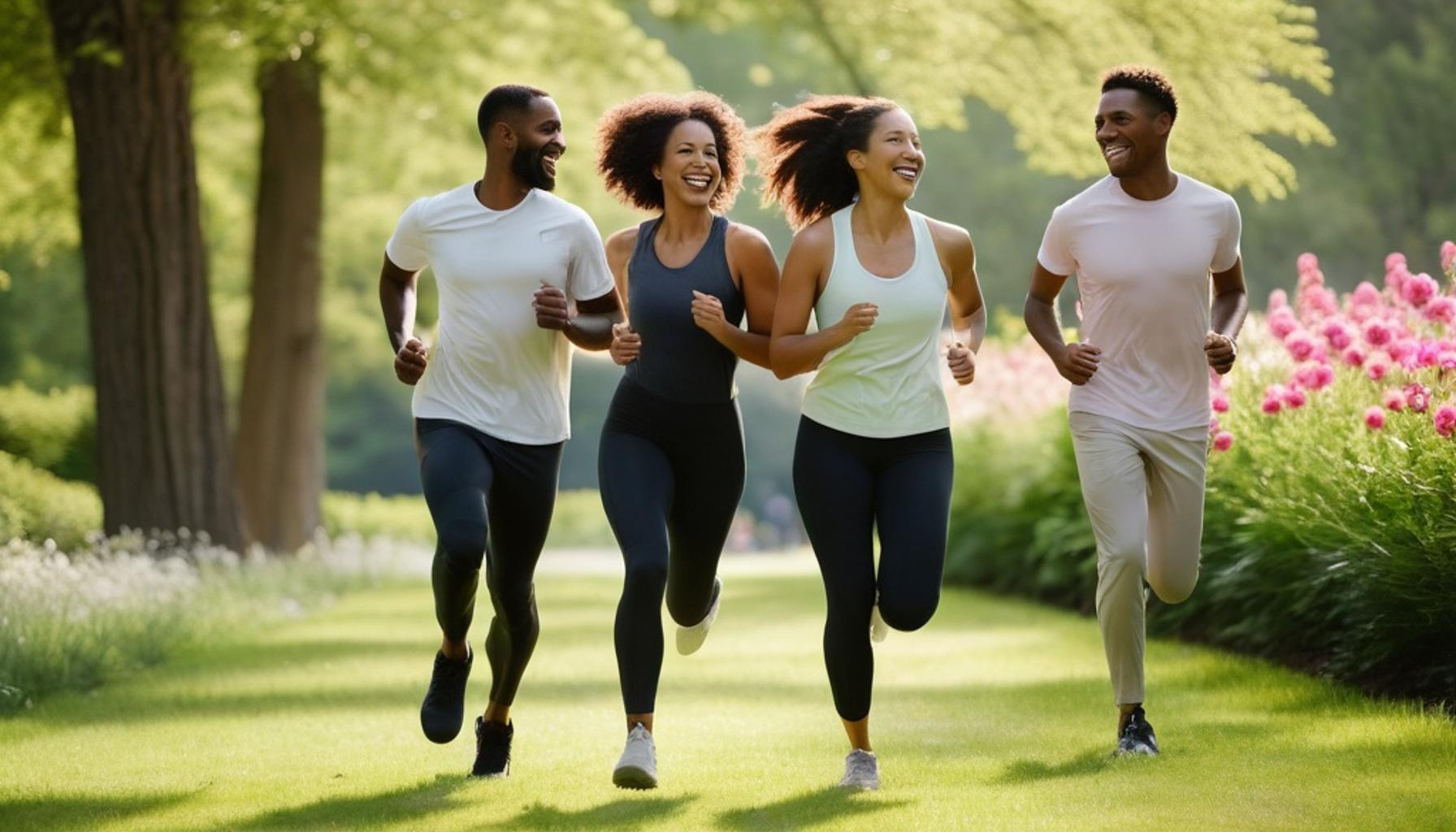
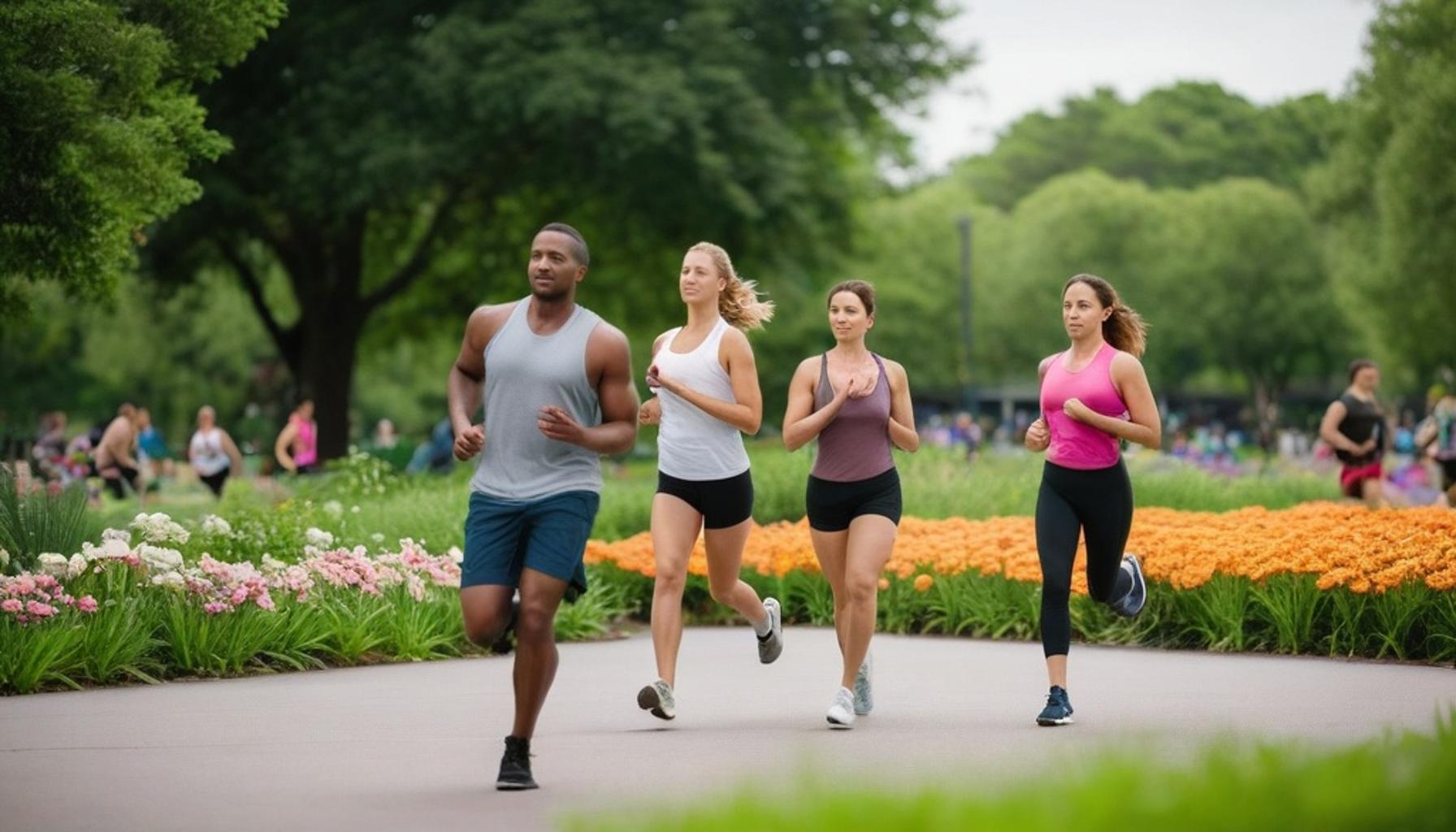
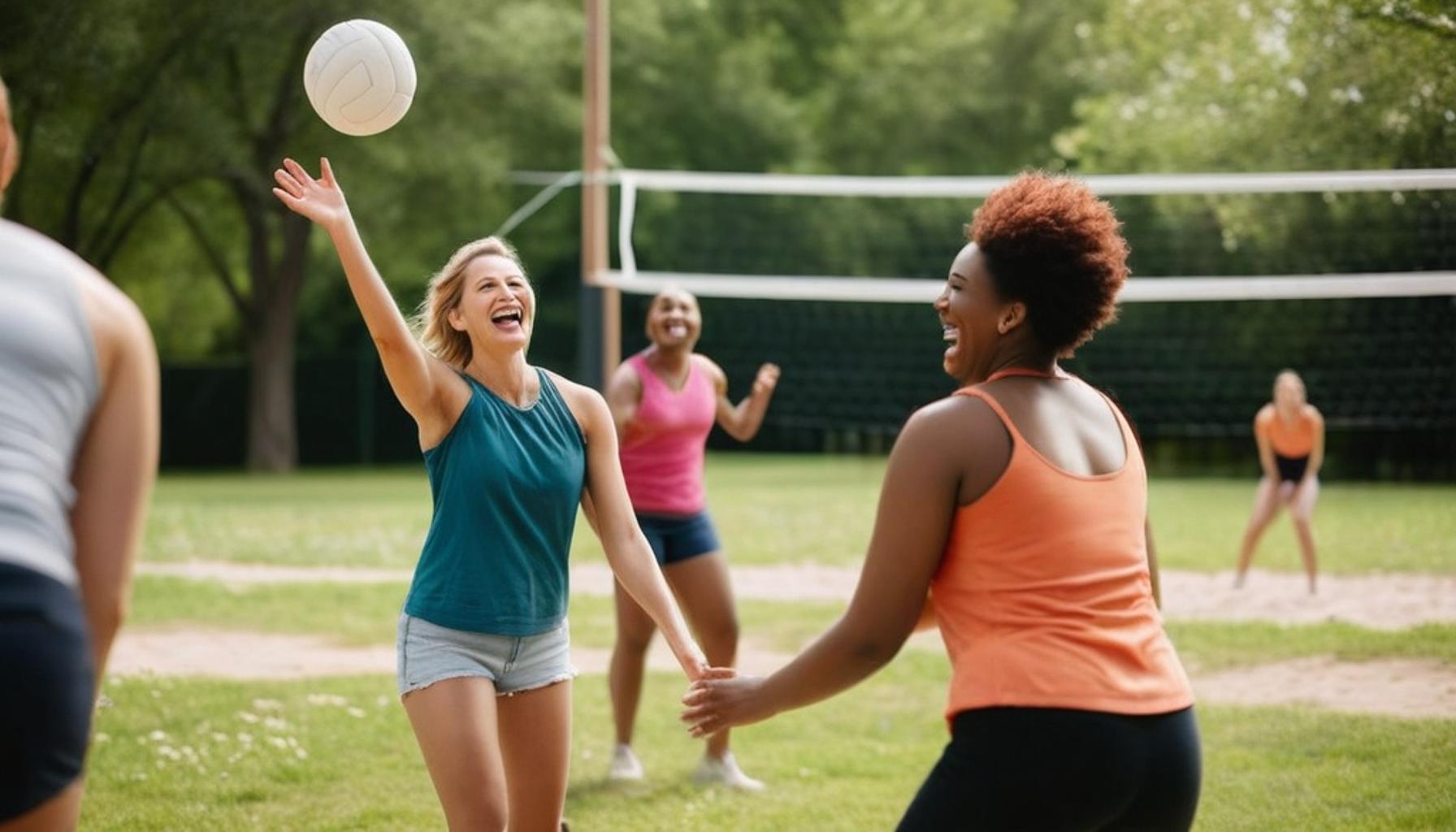
Picture a Saturday morning in any American neighborhood: a group jogging through the park, a pickup basketball game at the local court, a yoga class spilling out onto the lawn. These aren’t just workouts—they’re social connections through exercise happening in real time.
Across the United States, communities are rediscovering something simple yet powerful. Physical activity and social relationships are deeply intertwined, and the ripple effects reach far beyond individual fitness.
The Numbers Tell a Story
Research consistently points to a strong link between group exercise and emotional well-being. Consider these findings:
- Adults who exercise in groups report higher levels of life satisfaction than solo exercisers
- Community sports programs have been shown to reduce feelings of isolation by up to 30%
- Neighborhoods with active recreation centers see increased civic participation and trust among residents
- Group fitness participants are 1.5 times more likely to stick with their exercise routines for over a year
- Cities investing in public sports infrastructure report measurable drops in reported anxiety and depression rates
These aren’t isolated statistics. They reflect a growing understanding of community health and fitness as a shared investment, not just a personal goal.
Beyond the Treadmill
From CrossFit boxes in Austin to walking clubs in Portland, an active lifestyle and relationships now go hand in hand. People aren’t just burning calories—they’re building friendships, support networks, and local pride.
Take Minneapolis, for example, where a citywide initiative called “Open Streets” temporarily closes major roads to traffic, inviting residents to bike, skate, and walk together. What started as a transportation experiment quickly became a social phenomenon, with neighbors meeting neighbors and small businesses reporting a boost in foot traffic. Similar programs have popped up in cities like Denver and Atlanta, proving that shared movement can transform public spaces into gathering grounds.
Meanwhile, in rural towns across the Midwest, high school football games and community 5K runs continue to serve as social anchors, drawing entire families out of their homes and into shared experiences. These events do more than promote fitness; they reinforce local identity and belonging.
The Science Behind the Sweat
Experts suggest that the combination of physical exertion and social interaction triggers a unique psychological effect. Endorphins released during exercise are amplified by the sense of camaraderie, creating what researchers sometimes call a “runner’s high” with a social twist. This dual boost may explain why group workouts often feel more sustainable and enjoyable than solitary ones.
Additionally, shared physical challenges—whether finishing a marathon or completing a tough boot camp class—tend to build trust and mutual respect among participants faster than casual conversation alone.
This article explores how the benefits of physical activity extend into the social fabric of American life. We’ll examine practical ways individuals and neighborhoods are using movement to fight loneliness, foster inclusion, and lay the groundwork for building healthy communities from the ground up.
RECOMMENDED: The Role of Mindfulness and Exercise in Enhancing Overall Life Satisfaction
There was a time when exercise meant lacing up your shoes, popping in earbuds, and disappearing into your own world. That era isn’t over, but it’s being reshaped by a growing counter-movement—one where physical activity and social relationships intersect at every turn.
Walk into any CrossFit gym, cycling studio, or community center today, and you’ll notice something: people aren’t just working out. They’re checking in on each other, celebrating personal records together, and organizing post-workout coffee runs. This shift isn’t accidental. It reflects a deeper cultural recognition that fitness, when shared, becomes something far more valuable than calories burned.
The Loneliness Epidemic Meets Its Match
The U.S. Surgeon General declared loneliness a public health crisis in 2023, comparing its health risks to smoking 15 cigarettes a day. Against this backdrop, social connections through exercise are emerging as one of the most accessible antidotes available.
Unlike therapy sessions or support groups, group fitness doesn’t require anyone to talk about their feelings. It simply requires showing up. That low barrier to entry may be exactly why it works so well. There’s no pressure to articulate your struggles or explain why you feel disconnected. You just need a pair of sneakers and a willingness to move alongside strangers who, more often than not, become familiar faces within weeks.
Consider what’s happening in cities embracing this trend:
- Run clubs in cities like Chicago and Nashville have seen membership triple since 2020, with many attributing growth to post-pandemic desire for in-person connection
- Recreational sports leagues for adults—kickball, dodgeball, ultimate frisbee—report waitlists in major metros, signaling unmet demand for structured social play
- Senior centers offering group exercise classes see higher attendance rates than those offering purely social activities like card games or lectures
- Corporate wellness programs incorporating team-based fitness challenges report improved workplace relationships alongside health metrics
These aren’t isolated data points. They point to a broader cultural recalibration, one where Americans are actively seeking out physical spaces that double as social ones. Gyms that once emphasized rows of silent treadmills are now redesigning floor plans to include communal areas, encouraging lingering conversations before and after sessions.
Why Sweat Equity Builds Social Equity
There’s a practical reason group movement fosters bonds faster than other social settings: shared vulnerability. Struggling through the last mile of a 10K or fumbling through a new dance class levels the playing field. Nobody looks polished. Everyone’s a little out of breath.
This vulnerability, paradoxically, accelerates trust. Psychologists studying community health and fitness initiatives have noted that participants in group physical activities often form friendships faster than those meeting in purely social contexts, like book clubs or networking events. There’s something disarming about seeing someone at their physical limit—flushed, sweaty, occasionally stumbling over their own feet—that dissolves the usual social posturing.
The physical exertion itself may play a role too. Some researchers point to synchronized movement—think group cycling classes or marching in step—as a trigger for increased feelings of connection and cooperation, a phenomenon sometimes called “self-other merging.” When bodies move in unison, whether it’s a boot camp class counting out burpees together or a spin studio pedaling to the same beat, the boundaries between individuals seem to blur just slightly, fostering a sense of collective identity.
Whatever the mechanism, the outcome is clear: when neighbors move together, they tend to stay connected long after the workout ends. Text threads emerge for weekend hikes. Birthday celebrations shift from formal dinners to group workouts followed by brunch. What began as a fitness routine slowly transforms into a genuine support network, one rep and one shared struggle at a time.
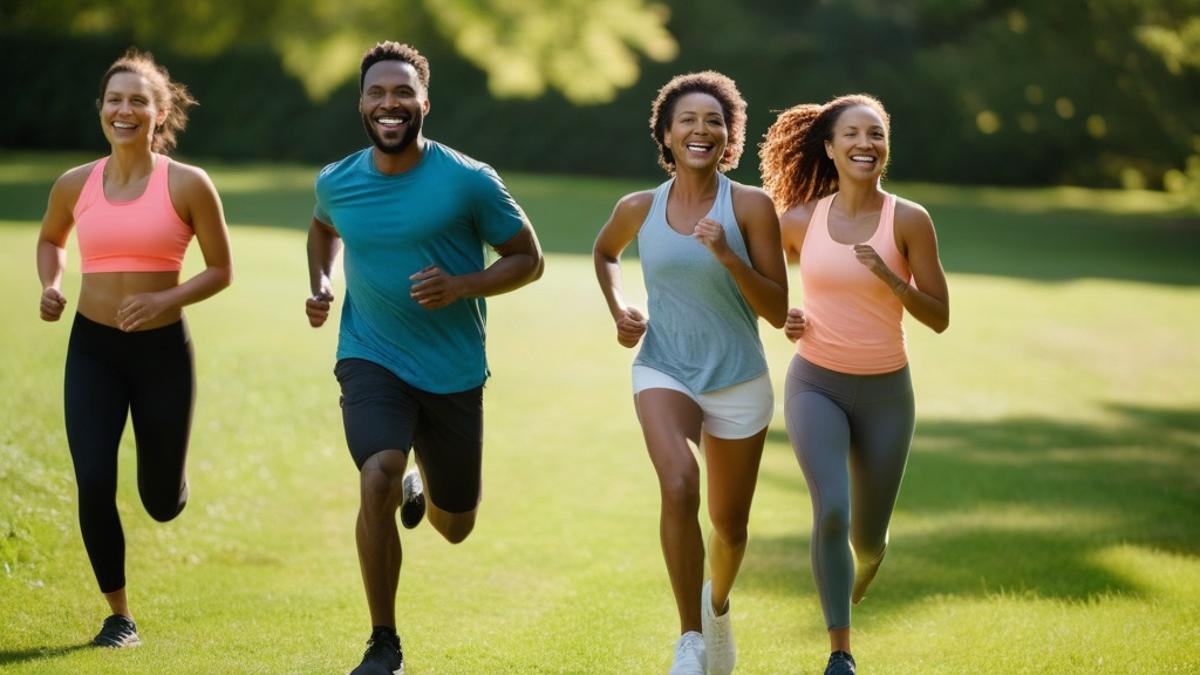
Key Aspects of Physical Activity and Social Relationships
Communities across the globe are discovering that physical activity and social relationships are deeply interconnected, transforming ordinary exercise routines into powerful social experiences. From neighborhood running clubs to team sports leagues, the following table highlights how movement-based activities cultivate trust, belonging, and community health and fitness on a larger scale.
| Aspect | Impact on Social Bonds & Community |
|---|---|
| Group Sports Leagues | Encourage teamwork, reduce isolation, and create recurring social connections through exercise among diverse age groups. |
| Walking & Running Clubs | Offer low-cost entry points for building friendships while promoting an active lifestyle and relationships within neighborhoods. |
| Workplace Fitness Programs | Strengthen professional networks and support building healthy communities through shared wellness goals. |
| Community Fitness Events | Boost civic engagement and highlight measurable benefits of physical activity, including reduced stress and stronger local ties. |
SEE ALSO: How Different Types of Physical Activity Cater to Various Age Groups and Abilities
# From Neighborhood Parks to National Movements
Look closely at how American neighborhoods are reorganizing themselves, and a pattern emerges. Public parks that once sat quiet on weekday mornings now host boot camps, yoga sessions, and pickup basketball games. This isn’t coincidence—it’s evidence that building healthy communities increasingly starts with shared physical space.
Take parkrun, the free weekly 5K phenomenon that originated in the UK but has quietly gained traction across the United States. Cities like Boston, Austin, and Minneapolis now host regular events where hundreds gather every Saturday morning, regardless of weather. No entry fees, no times to beat necessarily, just a community showing up together. Organizers report that many participants attend not for the run itself but for the volunteer roles and coffee conversations that follow.
What makes these gatherings particularly interesting is their consistency. Unlike a one-time charity walk or seasonal festival, parkrun and similar initiatives repeat weekly, creating a rhythm that residents build into their lives. Over months, strangers become familiar faces, and familiar faces eventually become friends who check in on each other outside of race day. This slow-building social fabric is exactly what researchers are now trying to measure.
The Numbers Behind the Movement
Data increasingly supports what many communities are discovering intuitively. Research from the American Journal of Public Health suggests that people who engage in group physical activities report significantly higher levels of perceived social support compared to those who exercise alone.
Consider these findings shaping public health conversations:
- Neighborhoods with accessible walking trails and community fitness spaces report lower rates of reported social isolation among residents over 65
- Youth sports leagues remain one of the strongest predictors of long-term friendship formation among American teenagers, according to multiple longitudinal studies
- Cities investing in public fitness infrastructure—outdoor gyms, multi-use trails, free class programming—see measurable upticks in civic engagement metrics
- Group exercise participants are more likely to volunteer for community events than non-participants, suggesting a ripple effect beyond fitness itself
These statistics point toward something policymakers are beginning to take seriously: an active lifestyle and relationships aren’t separate goals. They’re intertwined investments that pay dividends in both individual well-being and collective resilience.
Public health officials in states like Colorado and Oregon have started referencing these findings when justifying budget allocations for trail expansions and recreational grants. The argument is no longer purely about obesity rates or cardiovascular health—it’s about whether a city’s residents feel connected to one another, and whether that connection can be engineered, at least in part, through shared movement.
When Fitness Becomes Civic Infrastructure
Some cities are treating movement-based community building as essential infrastructure, not a luxury add-on. Detroit’s revitalization efforts, for instance, have included funding for community basketball courts specifically designed as gathering spaces, not just athletic facilities. Local organizers describe these courts as informal town halls, where neighborhood disputes get resolved and mutual aid networks form organically.
Similarly, faith-based organizations across the South have started integrating walking groups and softball leagues into their community outreach, recognizing that shared physical activity often opens doors that traditional programming cannot. A pastor in rural Georgia recently noted that his congregation’s Tuesday night walking club has drawn more first-time visitors than any sermon series in years, simply because the invitation felt low-pressure and social rather than doctrinal.
The benefits of physical activity extend well beyond individual health metrics here. They become measurable in reduced crime rates near revitalized public courts, in stronger voter turnout within neighborhoods with active community sports programs, and in mental health improvements documented among isolated populations who join walking clubs.
What ties these examples together is a simple but often overlooked truth: movement creates natural meeting points. Unlike scheduled social events that require explicit invitations, fitness spaces offer repeated, low-stakes opportunities for connection. You don’t need to be invited to show up at a public track or join a free community class. You just need to arrive, and the relationships tend to follow.
As more cities examine their budgets through this lens, the humble neighborhood park may end up being one of the most quietly powerful tools in American civic life, proving that sometimes the strongest communities are built one lap, one pickup game, and one Saturday morning at a time.
CHECK OUT: The Impact of Regular Physical Activity on Mental Health and Well-being
The Ripple Effect Ahead
Zoom out far enough, and the evidence stops looking like isolated success stories. It looks like a pattern. From parkrun mornings in Boston to Detroit’s revitalized courts to walking clubs in rural Georgia, the throughline is unmistakable: physical activity and social relationships reinforce each other in ways that outlast any single event or program.
This matters because American communities are still wrestling with isolation rates that public health officials describe as alarming. Shared movement won’t solve that problem alone, but it offers something rare—a low-cost, repeatable entry point that doesn’t require an invitation, a membership fee, or a shared background.
What’s emerging is a broader case for community health and fitness as intertwined priorities rather than separate line items in a city budget. Trails, courts, and free class programming aren’t just amenities. They’re mechanisms for building trust among neighbors who might otherwise never interact.
Looking forward, a few questions deserve continued attention:
- Will more municipalities formally track social outcomes, not just fitness participation, when evaluating recreational funding?
- Can employers and schools replicate the parkrun model to strengthen workplace and campus relationships?
- How might rural areas, with less infrastructure, adapt these models on limited budgets?
The broader lesson here isn’t that everyone needs to become an athlete. It’s that social connections through exercise tend to form naturally when spaces invite repeated, casual participation.
As more research surfaces and more cities experiment, one thing seems increasingly certain: strengthening active lifestyle and relationships may prove to be one of the most practical, underused strategies available for building healthier, more connected American communities.
Frequently Asked Questions
How does physical activity and social relationships connect to reduce loneliness in adults?
Group exercise settings like walking clubs or team sports create regular face-to-face interaction, which builds trust and familiarity over time. This consistent contact helps combat isolation because participants develop a shared routine and mutual accountability. Studies link regular group activity to lower reported loneliness scores among adults of all ages.
What types of group activities best strengthen community bonds?
Recreational sports leagues, community fitness classes, and neighborhood walking or running groups tend to work best because they combine a shared goal with repeated meetups. Activities that require teamwork, like soccer or volleyball, also boost communication and cooperation skills. Even informal options like group hiking or cycling clubs can build lasting friendships.
Can joining a local sports league really improve my social life as an adult?
Yes, adult sports leagues give you a built-in social circle since you see the same teammates weekly, which speeds up relationship building compared to random social encounters. Many participants report making close friends and expanding their professional or personal networks through league connections. The shared competitive and cooperative experience also creates natural conversation starters.
How can community centers use physical activity to build healthier neighborhoods?
Community centers can offer free or low-cost group fitness classes, open gym nights, and organized sports events that invite residents of different backgrounds to interact regularly. These programs lower barriers to participation, especially for lower-income families, and create neutral gathering spaces that strengthen neighborhood ties. Over time, this fosters trust, reduces crime concerns, and increases civic engagement.
Is walking with neighbors an effective way to build social connections?
Yes, neighborhood walking groups are one of the simplest and most effective ways to build social ties because they require no special skill or equipment and happen in a familiar setting. Regular walks encourage casual conversation, which often leads to deeper friendships and a stronger sense of local community. They also promote physical health benefits like better cardiovascular fitness alongside social gains.
What role does physical activity play in helping newcomers integrate into a community?
Recreational sports and fitness classes give newcomers, including immigrants and people who relocate for work, an easy way to meet locals without needing advanced language skills or prior social connections. Shared physical goals, like finishing a 5K or completing a fitness challenge, create common ground that speeds up trust-building. Many community organizations specifically use sports programs as integration tools for this reason.

Linda Carter
Linda Carter is a writer specializing in healthy habits and balanced living. With extensive experience helping readers build sustainable routines, she shares practical guidance on nutrition, physical activity, quality sleep, stress management, and emotional well-being. Her goal is to offer simple, accessible strategies that inspire people to care for their health and enjoy a more balanced life.