How dance can be a fun way to stay active

Turn Up the Music, Turn Up Your Fitness
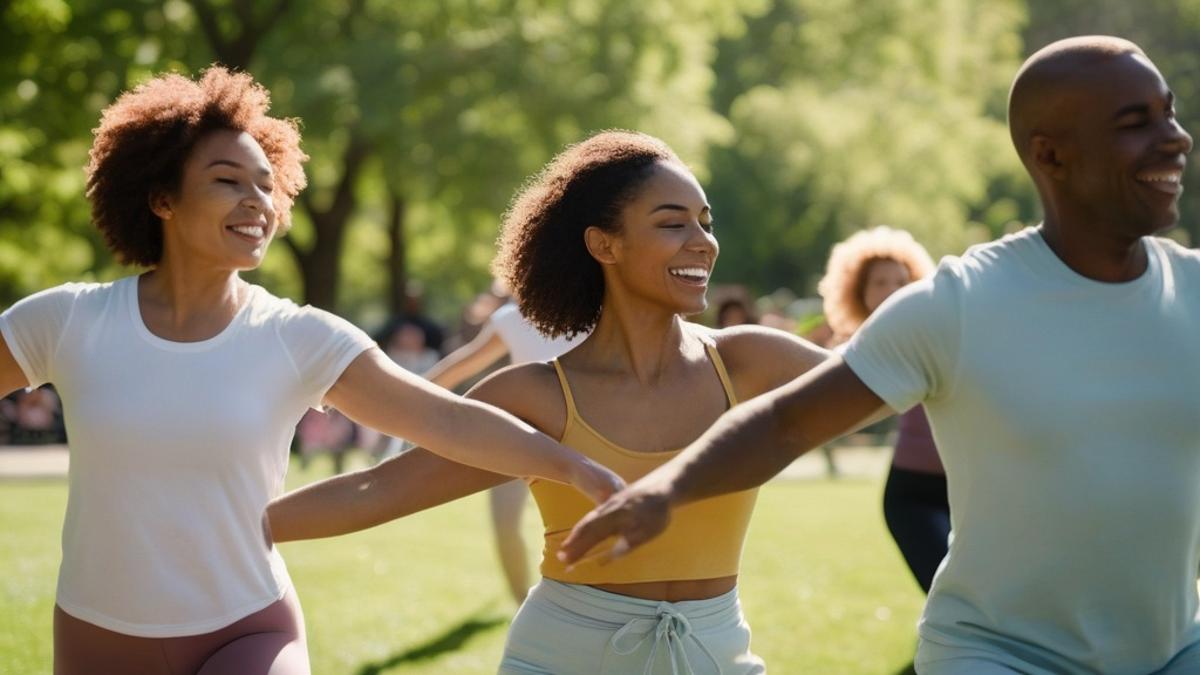
Forget the treadmill for a second. Across the United States, people are lacing up dance sneakers instead of running shoes, discovering that dance fitness can torch calories while feeling like a night out rather than a workout.
From Zumba studios in Los Angeles to line-dancing halls in Nashville, this trend is reshaping how Americans think about exercise. It turns out that moving to a beat might be one of the most enjoyable fun ways to stay active. Gyms and community centers alike are adding dance-based classes to their schedules, often finding them more popular than traditional spin or aerobics sessions.
Why Dance Deserves a Spot in Your Routine
Research suggests that just 30 minutes of dancing can burn between 200 and 400 calories, depending on intensity. That makes it a legitimate contender when comparing dance as a workout to more traditional cardio options like jogging or cycling.
But the perks go beyond the numbers on a fitness tracker. Consider what dance brings to the table:
- Full-body engagement — works legs, core, and arms simultaneously, often without the joint strain associated with running
- Improved coordination and balance — skills that matter at every age, from teenagers to retirees looking to prevent falls
- Stress relief — music and movement lower cortisol levels, offering a mental health boost alongside the physical one
- Social connection — group classes build community and accountability, turning strangers into workout buddies
Beyond these core benefits, studies published in sports medicine journals have linked regular dance practice to better cardiovascular health and increased flexibility. Some instructors even report that students notice improved posture within just a few weeks of consistent classes.
A Workout Disguised as a Good Time
Unlike repetitive gym routines, dance keeps things unpredictable. Every class introduces new choreography, new music, and new challenges for the body to adapt to. That novelty factor may explain why so many people stick with it longer than other exercise programs, where boredom often leads to dropout.
Whether it is salsa, hip-hop, or ballroom, there is a rhythm for every personality. Cities like Miami and Austin have seen a surge in specialty studios catering to niche dance styles, proving that this is not a one-size-fits-all trend. This raises an important question: could joining local dance classes for fitness be the missing piece in your health journey?
The following sections explore exactly how building an active lifestyle through dance works, and why it might be the most enjoyable habit you adopt this year.
SEE ALSO: How Technology and Fitness Apps are Revolutionizing Personal Exercise Routines
# From Ballroom to Backyard: Dance Styles That Deliver ResultsNot all dance workouts are created equal, and that is precisely what makes this trend so accessible. Whether someone thrives in a high-energy studio or prefers moving furniture aside in their living room, there is an entry point suited to every fitness level.
Popular Dance Styles Fueling the Fitness Craze
Walk into any major American city and you will find a dance-fitness scene tailored to local tastes. In New Orleans, second-line inspired classes blend brass-band energy with cardio intervals. Meanwhile, Chicago’s house dance studios attract a younger crowd looking for something edgier than a standard aerobics class.Some of the most searched and attended options include:
- Zumba — a Latin-inspired cardio format combining salsa, merengue, and reggaeton rhythms, often burning upwards of 300 calories per hour-long session
- Line dancing — a low-impact option popular in Southern states, ideal for beginners and older adults easing into an active lifestyle through dance
- Hip-hop cardio — fast-paced routines that double as strength training for the lower body
- Ballroom and Latin partner dancing — improves balance and posture while offering a social, low-pressure environment
- Bollywood dance fitness — gaining traction in cities like Houston and San Francisco, blending flexibility work with rhythmic bursts of intensity
Each style offers a distinct entry point into dance as a workout, meaning newcomers are not locked into one rigid format. This variety helps explain why dance-based fitness programs report higher retention rates compared to traditional gym memberships, according to several industry surveys conducted over the past few years.
What Makes Dance Different From Standard Cardio
Traditional cardio machines isolate repetitive motion. Dance, by contrast, demands constant adaptation. A single Zumba routine might shift between six or seven distinct movement patterns within minutes, forcing muscles and the nervous system to stay engaged in ways a treadmill simply cannot replicate.This constant variability is part of the broader benefits of dance for exercise that researchers continue to document. Beyond calorie burn, studies point to measurable improvements in reaction time and spatial awareness among regular dancers.For anyone hunting for genuinely fun ways to stay active, this level of engagement often makes the difference between a workout that feels like a chore and one that feels like an escape. The next section digs into how to actually get started, including what to expect from a first class and how often practice should happen to see real results.
YOU MAY ALSO LIKE: The Importance of Setting Realistic Fitness Goals for Sustained Physical Activity
# Getting Started: Your First Steps Into Dance Fitness
Walking into a dance fitness studio for the first time can feel like stepping onto a stage without a script. That sensation is universal, and it explains why so many people hesitate before ever lacing up their sneakers. Yet across the country, from boutique studios in Austin to community gyms in Cleveland, instructors have built entire class philosophies around welcoming beginners rather than intimidating them.
What to Expect Walking Into a First Class
Nerves are normal, but most instructors design beginner sessions to be judgment-free zones. A typical introductory Zumba or hip-hop cardio class runs 45 to 60 minutes, starting with a warm-up that mirrors the moves used later in the session. This structure isn’t accidental; it primes muscles while subtly teaching the choreography’s building blocks before the tempo increases.
Studios from Miami to Seattle report that first-timers often worry about looking foolish. In reality, dance classes for fitness thrive on imperfection. Instructors expect missed steps, and the group energy tends to smooth over any early clumsiness within the first ten minutes. Many participants describe a strange phenomenon: the self-consciousness that dominates the first few songs often evaporates entirely by the cooldown stretch.
Comfortable clothing and supportive sneakers matter more than any specific dance attire. Hydration is essential too, since sessions can rival the intensity of a spin class once the choreography ramps up. Bringing a water bottle and a small towel is often more useful than researching what “dance clothes” are supposed to look like.
How Often Should Someone Practice?
Fitness experts generally recommend two to three sessions per week to notice meaningful change. That frequency aligns with broader physical activity guidelines from the CDC, which suggests 150 minutes of moderate aerobic exercise weekly. Dance fitness happens to fit neatly into that framework, often without participants realizing they’re meeting a federal benchmark while just trying to keep up with a chorus.
- Weeks 1 to 2 — focus purely on rhythm and comfort, not calorie counts
- Weeks 3 to 6 — expect improved coordination and stamina, often noticeable during daily activities like climbing stairs
- Beyond week 6 — many participants report better sleep and mood stability, a benefit tied to endorphin release during sustained movement
Consistency, not intensity, tends to determine long-term success with dance as a workout. Someone attending three moderate classes weekly for two months will likely see more transformation than someone who attends one grueling session and burns out by week three.
Free and Low-Cost Ways to Begin
Not everyone needs a studio membership to start. Community centers in cities like Denver and Atlanta often offer donation-based classes, making the barrier to entry as low as a few dollars or even a canned food donation. YouTube channels dedicated to dance fitness have also exploded in popularity, with several creators amassing millions of subscribers seeking accessible, at-home options.
Apps focused on movement tracking now include dance-specific programs, letting users build an active lifestyle through dance without ever stepping into a formal class. This flexibility removes common barriers like cost, scheduling, and transportation, opening the door for people in rural areas or those juggling unpredictable work hours.
Listening to the Body Along the Way
Soreness in the first week is expected, particularly in calves and hip flexors. Persistent joint pain, however, signals a need to modify footwork or consult a physical therapist familiar with dance-related movement. Ignoring that distinction between normal fatigue and warning signs is where many enthusiastic beginners run into trouble.
Many instructors encourage modifications rather than pushing through discomfort, reinforcing that dance fitness is meant to be sustainable rather than punishing. This adaptability is part of what keeps people returning long after the novelty of a new hobby usually fades, turning a tentative first class into a lasting routine.
RECOMMENDED: Physical activity and its influence on productivity and well-being at work
Dance Fitness as a Lifelong Investment
The evidence throughout this piece points to a simple truth: dance fitness works because it disguises effort as enjoyment. Whether someone is stepping into a Zumba class in Austin or following a free YouTube routine from a living room in rural Kansas, the mechanics remain the same. Movement becomes sustainable when it feels rewarding rather than obligatory.
Why This Approach Stands Apart
Traditional gym routines often rely on repetition and numeric goals, like counting reps or watching a treadmill display. Dance flips that script entirely. The benefits of dance for exercise extend beyond calories burned, touching cognitive function, emotional regulation, and social connection in ways few other workouts replicate so naturally.
Choosing dance as a workout also means tapping into a built-in community. Group classes create accountability without the pressure of a personal trainer standing over a client’s shoulder counting reps aloud.
Practical Takeaways for Long-Term Success
- Start with low-cost or donation-based classes before investing in memberships
- Aim for two to three sessions weekly to align with CDC activity guidelines
- Track progress through stamina and mood, not just physical appearance
- Modify movements when joint discomfort arises rather than pushing through pain
These steps make an active lifestyle through dance realistic for people juggling work schedules, tight budgets, or limited access to studios.
Ultimately, the appeal of dance classes for fitness lies in their adaptability. There is no single right way to begin, no strict uniform required, and no ceiling on how far someone can progress. Among the many fun ways to stay active, dance remains one of the few that rewards consistency with genuine joy, turning what starts as hesitant footwork into a habit worth keeping for years to come.
Frequently Asked Questions
How many calories can you burn in a 30-minute dance fitness class?
A 30-minute dance fitness class like Zumba or hip-hop cardio typically burns between 200 and 400 calories, depending on your weight and intensity level. High-energy styles such as Latin dance or aerobic dance tend to burn more than slower forms like ballroom. Wearing a heart rate monitor can help you track your actual calorie burn during class.
Is dance fitness a good workout for beginners with no dance experience?
Yes, dance fitness classes are designed to welcome all skill levels, and instructors usually break down moves into simple steps you can follow. Styles like Zumba, line dancing, or beginner hip-hop focus more on movement and fun than perfect technique. Most people pick up the basic rhythm within a few classes, so you don’t need any prior experience to start.
What type of dance is best for improving cardiovascular endurance?
High-intensity styles such as Zumba, hip-hop, and salsa are excellent for building cardiovascular endurance because they keep your heart rate elevated for extended periods. These styles combine continuous movement with bursts of faster footwork, similar to interval training. Consistently practicing these dances two to three times a week can noticeably improve your stamina over a few weeks.
Can dance fitness help with weight loss like traditional gym workouts?
Dance fitness can absolutely support weight loss when done consistently, since it combines cardio and strength elements that burn calories and build muscle tone. Many people find they can sustain dance workouts longer than treadmill sessions simply because they enjoy the music and movement more. Pairing regular dance sessions with a balanced diet can produce results comparable to traditional gym routines.

Linda Carter
Linda Carter is a writer specializing in healthy habits and balanced living. With extensive experience helping readers build sustainable routines, she shares practical guidance on nutrition, physical activity, quality sleep, stress management, and emotional well-being. Her goal is to offer simple, accessible strategies that inspire people to care for their health and enjoy a more balanced life.