
Strategies to Motivate Children and Adolescents to Participate in Sports
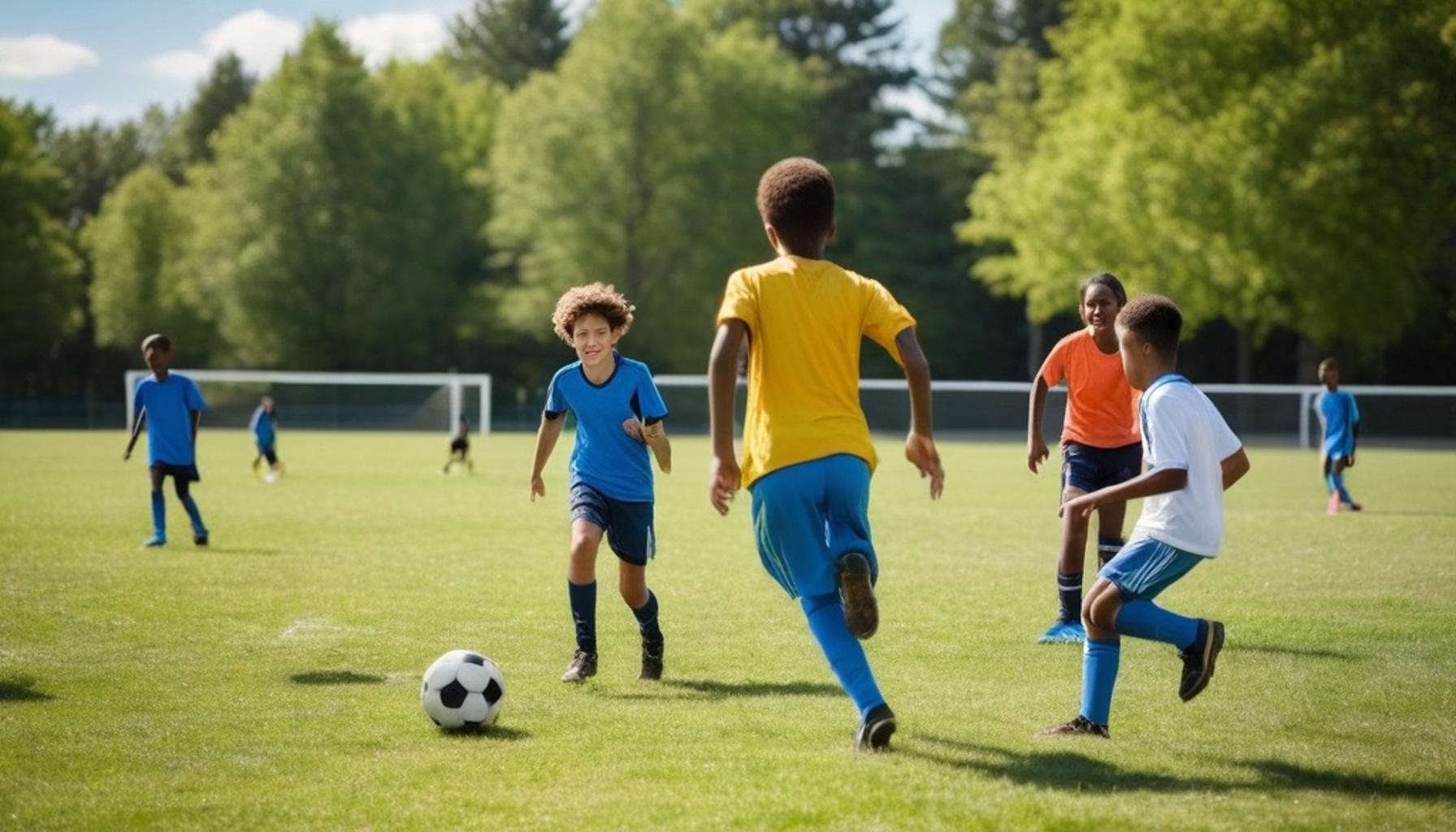
Why Youth Sports Participation Is Dropping—and What Parents Can Do About It
Only 24% of American children aged 6 to 17 meet the recommended 60 minutes of daily physical activity, according to the CDC. Meanwhile, nearly 70% of kids quit organized sports by age 13. These numbers reveal a troubling pattern that parents, coaches, and educators can no longer ignore.
The good news? Research shows that the right approach can reverse this trend. Learning how to motivate children to participate in sports isn’t about forcing discipline—it’s about sparking genuine enthusiasm.
What’s Driving Kids Away from Sports?
Before diving into solutions, it helps to understand the problem. Several factors consistently push young athletes toward the sidelines:
- Excessive pressure from parents or coaches focused solely on winning
- Fear of failure or embarrassment in front of peers
- Burnout from early specialization in a single sport
- Lack of fun when practices feel like obligations rather than play
Take the case of a typical suburban soccer league in Ohio, where coaches reported a 30% drop in returning players between the ages of 11 and 13. Parents cited overscheduling and year-round travel teams as major culprits. Kids, on the other hand, described feeling exhausted and disconnected from the joy that once drew them to the game. This disconnect between adult expectations and childhood experience often lies at the heart of the dropout crisis.
The Real Payoff of Staying Active
The benefits of sports for children extend far beyond physical fitness. Studies link youth athletics to improved academic performance, stronger social skills, and reduced anxiety levels. Researchers at the Aspen Institute’s Project Play initiative found that kids who stay active through team sports are more likely to develop leadership qualities and resilience that carry into adulthood.
Beyond the classroom, sports teach lessons that textbooks simply can’t. Teamwork, time management, and the ability to handle disappointment gracefully are all skills forged on the field, court, or track. For many American families, these experiences become defining moments of childhood—moments increasingly at risk of disappearing.
So how exactly can families and coaches turn things around? This article explores proven sports motivation strategies for kids—from age-appropriate goal-setting to creative team-building techniques. Small changes, like emphasizing effort over outcome or rotating positions to keep practices fresh, can make a significant difference in retention rates.
We’ll also examine practical methods for encouraging teens in sports during those critical adolescent years when dropout rates spike. Whether you’re a parent, coach, or educator, these actionable insights on increasing youth sports participation could make all the difference in shaping healthier, happier young athletes across the country.
LEARN MORE: How Different Types of Physical Activity Cater to Various Age Groups and Abilities
# Building Blocks: Age-Appropriate Approaches That Actually WorkUnderstanding why kids quit is only half the battle. The other half involves knowing exactly what to do differently. Effective strategies to motivate children to participate in sports require a shift in perspective—from adult-driven outcomes to child-centered experiences.
Start With Autonomy, Not Authority
Psychologists studying youth development consistently point to one factor above all others: choice. Children who feel they have a say in their athletic journey—whether that’s picking a sport, choosing a position, or setting personal goals—show significantly higher engagement levels than those who feel pressured into participation.A 2022 study published in the Journal of Sport and Exercise Psychology found that autonomy-supportive coaching increased intrinsic motivation by nearly 40% compared to controlling coaching styles. Translation: when kids feel ownership, they stick around longer.Parents can apply this at home by asking simple questions instead of issuing directives:
- “Which sport looks fun to you this season?”
- “Do you want to try goalie today, or stick with forward?”
- “What’s one thing you’d like to get better at this month?”
These small conversations shift the dynamic from obligation to ownership.
Make Effort the Scoreboard
One of the most overlooked sports motivation strategies for kids involves changing what gets praised. Youth sports psychologists recommend celebrating effort, improvement, and sportsmanship rather than wins alone.Little League International, which oversees millions of young baseball and softball players nationwide, has increasingly emphasized “Character, Courage, and Loyalty” over championship titles in its coaching materials. Leagues that adopt this philosophy report higher season-to-season retention among players aged 9 to 12.Practical ways to reinforce this at home include:
- Highlighting a specific effort after every game, win or lose
- Avoiding post-game critiques focused solely on mistakes
- Asking “Did you have fun?” before asking about the score
Keep It Playful, Especially Early On
For younger children, structured drills often kill enthusiasm faster than anything else. Experts researching how to get kids active in sports suggest that unstructured, game-based practices work better for kids under 10.The Positive Coaching Alliance, a national nonprofit, advocates for practices built around modified games rather than repetitive drills. This approach keeps engagement high while still developing fundamental skills—without kids even realizing they’re “training.”The takeaway is simple: motivation grows when children feel in control, celebrated for trying, and free to play the way play was meant to feel.
Key Strategies to Motivate Children to Participate in Sports
Understanding how to get kids active in sports requires more than encouragement—it demands practical, research-backed methods. The table below outlines essential sports motivation strategies for kids and their corresponding benefits, offering a quick reference for parents and coaches aiming to boost increasing youth sports participation rates.
| Strategy | Impact on Participation |
|---|---|
| Positive Reinforcement | Builds confidence and encourages long-term commitment |
| Sport Variety | Helps motivate children to participate in sports by matching interests |
| Peer Involvement | Strengthens social bonds, key for encouraging teens in sports |
| Skill-Based Goals | Boosts intrinsic motivation and measurable progress |
| Family Involvement | Reflects proven benefits of sports for children through shared experiences |
Each strategy listed connects directly to measurable outcomes in youth development, physical health, and emotional resilience—elements worth exploring further in the sections ahead.
RECOMMENDED: Physical activity as a tool to strengthen social relationships and build healthy communities
# Beyond the Basics: Adapting Strategies for Teens and Building Long-Term EngagementAs kids grow into adolescents, the rules of motivation change dramatically. What worked for a 7-year-old rarely translates to a 15-year-old navigating peer pressure, academic stress, and shifting identity. Encouraging teens in sports requires a different toolkit altogether.
Respect the Social Dimension
Teenagers rank social connection as one of the top reasons they stay involved in athletics. The Aspen Institute’s Project Play initiative found that nearly 70% of teens who quit sports cited “it wasn’t fun anymore,” often linked to feeling isolated from teammates or excluded from friend groups.Coaches and parents can counter this by prioritizing team bonding over individual performance metrics. Simple tactics include:
- Organizing team dinners or off-field outings
- Encouraging older athletes to mentor younger teammates
- Creating leadership roles that rotate among players
These small shifts reinforce belonging, which often matters more to teens than trophies.
Connect Sports to Identity, Not Just Skill
Adolescents are actively figuring out who they are. Framing athletics as part of that identity—rather than a performance obligation—can dramatically shift engagement. Research from the University of Michigan’s Institute for Social Research shows that teens who see sports as “part of who I am” report 25% higher continued participation rates through high school compared to those who view it purely as an activity.Parents might reinforce this by discussing values athletes admire—discipline, resilience, teamwork—and connecting those traits back to their teen’s own character, rather than solely their stats.
Highlight the Bigger Picture
Sometimes motivation grows simply from understanding why sports matter beyond the scoreboard. The benefits of sports for children and teens extend far past physical fitness. According to the Centers for Disease Control and Prevention, physically active adolescents show improved academic performance, better sleep quality, and reduced symptoms of anxiety and depression.Sharing these facts directly with teens—rather than assuming they already know—can reframe their perspective. Many adolescents respond well to data when it’s presented as information, not lecture.
Address Increasing Youth Sports Participation at the Community Level
Individual strategies matter, but systemic barriers still limit access. The National Council of Youth Sports reports that participation costs have risen sharply over the past decade, pricing out many families. Communities tackling increasing youth sports participation successfully often do so through scholarship programs, equipment donation drives, and free community leagues.Cities like Cincinnati and Baltimore have piloted low-cost recreational leagues specifically targeting teens who’ve never played organized sports, reporting measurable upticks in enrollment within just two seasons.Motivation, ultimately, isn’t a single lever—it’s a combination of personal connection, cultural relevance, and community support working together.
Conclusion: Turning Motivation Into a Lasting Habit
Getting a child to lace up their sneakers for one practice is easy. Keeping them motivated for years is the real challenge—and the one that actually shapes their health, confidence, and relationship with movement into adulthood.
Throughout this discussion, one theme keeps resurfacing: there’s no single formula to motivate children to participate in sports. What works for a kindergartner chasing a soccer ball for the first time looks nothing like what keeps a sophomore committed to varsity track. Effective sports motivation strategies for kids require flexibility, observation, and a willingness to adjust as children grow.
A few core truths stand out.
- Fun and autonomy matter more than trophies, at every age
- Social belonging often determines whether teens stay or quit
- Framing activity around identity and values sticks longer than framing it around performance
- Community-level access—cost, transportation, available programs—can make or break participation before motivation even enters the picture
That last point deserves more attention than it typically gets. Parents and coaches can do everything right, but if increasing youth sports participation nationally is the goal, structural barriers still need addressing alongside personal encouragement.
For families wondering how to get kids active in sports right now, the most useful step is simple: start small, follow the child’s interest, and stay curious about what’s actually happening at practice and among teammates.
The payoff extends well beyond the scoreboard. Physically active kids tend to carry stronger habits, better stress management, and healthier routines into adulthood. That alone makes the effort worth sustaining, season after season.
Frequently Asked Questions
What is the best age to start motivating children to participate in sports?
Children as young as 3 to 5 years old can be introduced to basic physical activities and free play to build a foundation of enjoyment. Formal sports participation with structured motivation strategies typically works best starting around age 6, when kids can follow simple rules and cooperate with teammates. The key is focusing on fun and skill-building rather than competition at this early stage.
How can parents motivate a child who says they hate sports?
Start by identifying what specifically turns them off, whether it’s competition pressure, lack of skill, or social anxiety, and try low-pressure alternatives like dance, martial arts, or swimming instead of traditional team sports. Let the child have a say in choosing the activity so they feel ownership rather than obligation. Praising effort over outcome and avoiding harsh criticism after games also helps rebuild a positive association with physical activity.
Does rewarding kids with prizes for sports participation actually work long-term?
External rewards like trophies or treats can boost short-term interest but often fail to build lasting motivation once the prizes stop. Research on youth sports psychology shows that intrinsic motivators, such as fun, friendship, and a sense of accomplishment, are far more effective for keeping children engaged over years. Coaches and parents get better results by combining occasional recognition with genuine praise for improvement and enjoyment.
How do I keep my teenager interested in sports when they want to quit?
Teens often lose interest due to burnout, social pressure, or feeling they aren’t skilled enough compared to peers, so open, judgment-free conversations about their concerns are essential. Offering flexibility, like trying a different position, sport, or a more recreational league, can reignite interest without adding pressure. It also helps to emphasize the social and health benefits of staying active rather than focusing solely on performance or scholarships.

Linda Carter
Linda Carter is a writer specializing in healthy habits and balanced living. With extensive experience helping readers build sustainable routines, she shares practical guidance on nutrition, physical activity, quality sleep, stress management, and emotional well-being. Her goal is to offer simple, accessible strategies that inspire people to care for their health and enjoy a more balanced life.