
The benefits of outdoor activity for overall well-being
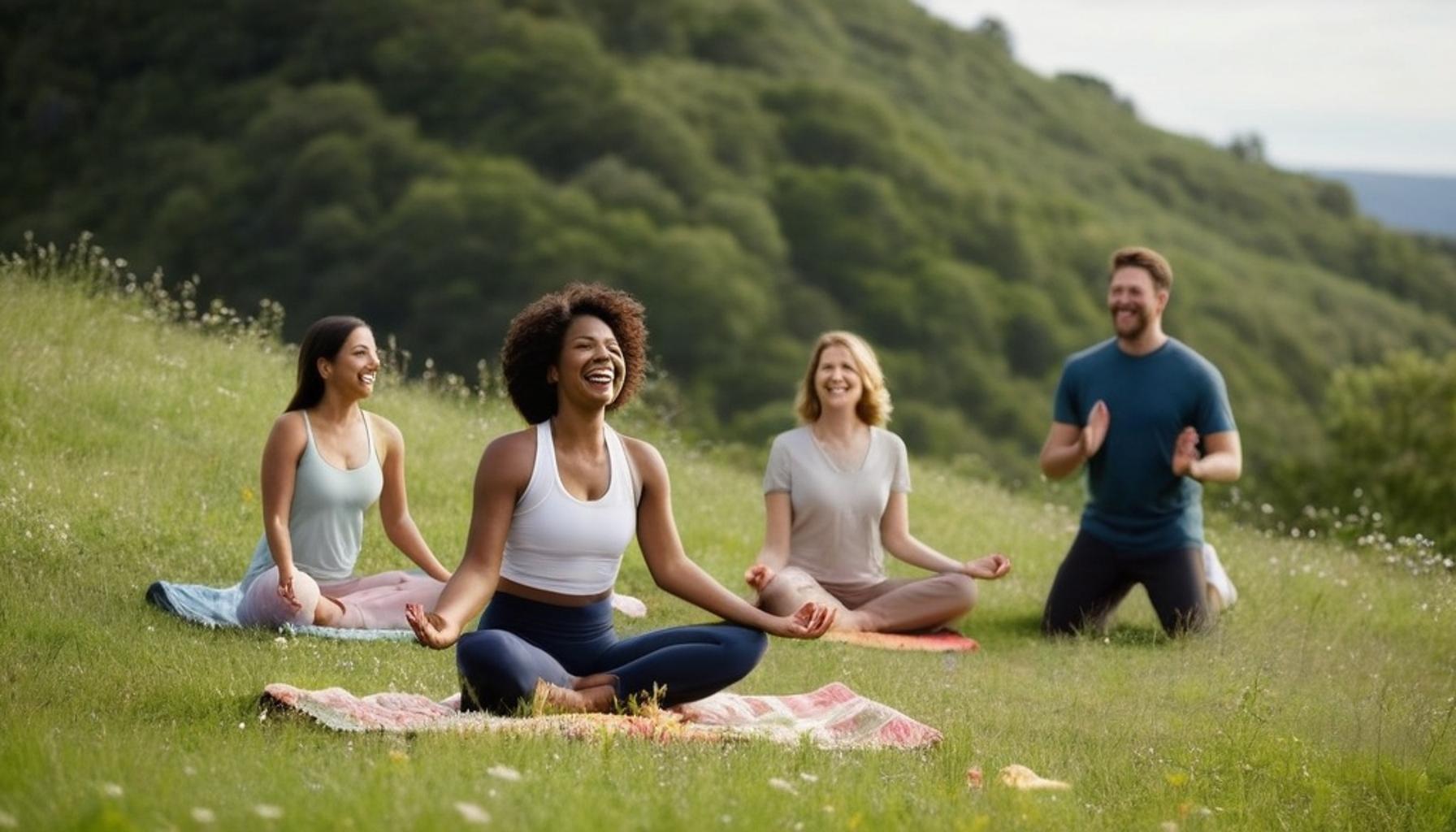
Why Stepping Outside Could Be Your Best Health Decision Today
Americans spend an average of 90% of their time indoors, according to the EPA. That statistic alone raises a critical question: what are we missing out on?
From the trails of the Rocky Mountains to a simple walk around a city park, outdoor activity benefits extend far beyond a change of scenery. Research increasingly links time spent outside to measurable improvements in both body and mind.
What Science Says About Nature and Movement
Numerous studies point to outdoor exercise advantages that go well beyond calorie burning. Fresh air, natural light, and movement combine to create effects that indoor workouts often can’t replicate. Whether it’s a jog through Central Park in New York City or a bike ride along the beaches of San Diego, the setting itself seems to amplify the benefits of physical activity.
Consider what regular outdoor engagement can offer:
- Improved cardiovascular health through activities like hiking, cycling, or running
- Reduced cortisol levels, supporting outdoor activity for stress relief
- Better sleep quality linked to natural light exposure
- Enhanced mood and focus, key components of mental health outdoor activities
These aren’t isolated benefits — they’re interconnected pieces of a larger wellness puzzle. For instance, better sleep often leads to improved focus the next day, while reduced stress can translate into more consistent motivation to stay active. It’s a cycle that feeds itself once it gets going.
A Growing Body of Evidence
The connection between nature and well-being isn’t just anecdotal. A widely cited study from the University of Michigan found that nature and well-being are closely tied, with participants showing significant mood improvements after just 20 minutes outside. Similar findings have emerged from research conducted at Stanford University, where participants who walked in natural settings reported lower levels of rumination compared to those who walked in urban environments.
Even short bursts of outdoor time appear to matter. A lunch break spent walking around a local park, rather than scrolling on a phone indoors, may be enough to shift both mood and energy levels for the rest of the day.
As more Americans face rising stress levels and sedentary lifestyles, understanding these physical health outdoor activities and their psychological counterparts becomes increasingly relevant. Public health officials in cities like Portland and Denver have even begun promoting “green prescriptions,” encouraging residents to spend structured time in parks and natural spaces as a complement to traditional medical advice.
This article explores exactly how getting outside can transform daily life, and why something as simple as opening the front door might be one of the most powerful health decisions available today.
CHECK OUT: The Importance of Setting Realistic Fitness Goals for Sustained Physical Activity
The Physical Payoff: How Outdoor Movement Strengthens the Body
Step into any park in Chicago on a Saturday morning, and you’ll notice something: people of every age, from joggers to seniors doing tai chi, choosing the outdoors over a gym membership. That instinct isn’t random. Physical health outdoor activities deliver results that indoor routines often struggle to match.
One reason lies in resistance. Uneven trails, wind, and shifting terrain force the body to engage stabilizer muscles that a flat treadmill belt simply doesn’t activate. Hiking through the foothills of Colorado, for example, burns more calories per hour than walking the same pace on a machine, according to data from the American Council on Exercise. The body constantly recalibrates with every root, rock, and slope, turning a simple walk into a full-body workout without anyone consciously trying to make it harder.
This natural variability also explains why so many trainers now recommend swapping at least one indoor session per week for something outside. A jog along the Lakefront Trail in Chicago, a bike ride through Portland’s Forest Park, or a swim in a lake in Michigan all introduce unpredictable elements that keep muscles guessing, something a stationary bike or elliptical machine simply cannot replicate.
Cardiovascular and Muscular Benefits Backed by Data
The outdoor exercise advantages extend into measurable health metrics that doctors track closely. A 2019 study published in the International Journal of Environmental Research and Public Health found that outdoor exercisers showed greater reductions in blood pressure than those who trained indoors, even when workout intensity was identical. Researchers suspect that exposure to natural light and fresh air may play a role in how the cardiovascular system responds to exertion.
Some of the most notable physical improvements linked to regular outdoor activity include:
- Lower resting heart rate, a sign of improved cardiovascular efficiency
- Stronger bone density, particularly from weight-bearing activities like trail running or hiking
- Increased vitamin D synthesis, thanks to natural sunlight exposure
- Better balance and coordination, developed through navigating uneven outdoor terrain
Vitamin D deserves particular attention here. The National Institutes of Health estimates that roughly 42% of American adults are deficient in this nutrient, largely due to limited sun exposure. A brisk 20-minute walk outside, several times a week, can meaningfully close that gap without requiring supplements. For residents of northern states like Minnesota or Washington, where winter sunlight is scarce, even small doses of midday sun during warmer months can help offset seasonal deficits.
Beyond vitamin D, outdoor movement also appears to support joint health. Physical therapists frequently point out that varied surfaces, such as grass, sand, or gravel, distribute impact more evenly across joints than the repetitive, uniform strike of pavement or a treadmill belt, potentially reducing the risk of overuse injuries common among runners.
Why Outdoor Cardio Feels Different
Ask any runner who has trained both on a treadmill and along a riverside path, and they’ll likely describe the outdoor session as feeling shorter, even when the distance and pace were the same. Researchers call this phenomenon “perceived exertion reduction,” and it appears tied to sensory distraction from changing scenery, temperature, and sound. The mind, engaged by birdsong, changing light, or the texture of a trail, seems to devote less attention to fatigue signals.
This matters for long-term consistency. When a workout feels less grueling, people are more likely to repeat it. That single psychological shift may explain why outdoor exercisers in various fitness surveys report higher adherence rates than those who exclusively train indoors, reinforcing just how deeply intertwined physical performance and environment truly are. It also raises a broader question worth exploring further: how much of fitness success depends not just on effort, but on where that effort takes place?

YOU MAY ALSO LIKE: The Role of Mindfulness and Exercise in Enhancing Overall Life Satisfaction
# The Mental Shift: How Nature Rewires Stress and MoodWhile the muscles benefit visibly, the mind undergoes a quieter transformation. Mental health outdoor activities trigger biochemical changes that indoor environments rarely replicate, and neuroscientists have spent the last decade mapping exactly why a walk through a forest in Vermont or a bike ride along the Pacific Coast Highway leaves people feeling different than an hour on a treadmill ever could.The concept driving much of this research is called “soft fascination,” a term coined by environmental psychologists to describe how nature captures attention gently, without demanding the mental effort that city streets or screens require. This subtle engagement allows the brain’s prefrontal cortex, the region responsible for decision-making and focus, to rest and recover. Stanford researchers found that participants who walked through green spaces showed reduced activity in the subgenual prefrontal cortex, a brain area linked to rumination and repetitive negative thinking, compared to those who walked along traffic-heavy urban routes.This distinction matters more than it might initially seem. Rumination, the tendency to replay negative thoughts on a mental loop, has been closely tied to depression and generalized anxiety disorder. If a twenty-minute walk through a park in Denver can quiet that loop the way certain medications attempt to, the implications for public health policy could be significant, and researchers are only beginning to explore how this might translate into formal treatment guidelines.
Cortisol, Serotonin, and the Science of Calm
The connection between nature and well-being becomes especially clear when examining stress hormones. A widely cited 2010 study from the University of Essex found that just five minutes of outdoor activity, whether gardening in a backyard in Ohio or walking near water in Seattle, produced measurable improvements in mood and self-esteem. Longer sessions amplified the effect, but even brief exposure mattered.
Cortisol, the body’s primary stress hormone, appears particularly responsive to outdoor settings. Japanese researchers studying “forest bathing,” or shinrin-yoku, discovered that participants who spent time among trees showed cortisol reductions of up to 16% compared to those in urban environments. American wellness clinics have since begun incorporating similar principles, encouraging patients to treat time outside as a legitimate prescription rather than a casual suggestion.
What researchers still debate is precisely which environmental variable drives the effect most strongly. Is it the visual complexity of foliage, the specific scent compounds trees release, or simply the absence of traffic noise and artificial light? Some studies point to phytoncides, organic compounds emitted by trees, as a contributing factor in immune and stress response, though the science remains less settled than the cortisol findings themselves.
Several documented psychological benefits emerge consistently across studies:
- Reduced anxiety symptoms, particularly after 20 to 30 minutes in natural settings
- Improved short-term memory, linked to attention restoration theory
- Elevated serotonin production, tied to sunlight exposure and physical movement
- Better emotional regulation, observed in individuals who exercise outdoors regularly
Outdoor Activity for Stress Relief in Daily Life
What makes these findings practical rather than purely academic is accessibility. Outdoor activity for stress relief doesn’t require wilderness expeditions or expensive equipment. A lunch break spent walking through a local park in Atlanta or ten minutes tending a community garden plot in Brooklyn can produce measurable shifts in mood.
Mental health professionals increasingly recommend this approach for patients managing mild to moderate anxiety, framing outdoor time as a complement to traditional treatment rather than a replacement. The American Psychological Association has noted growing interest in “green prescriptions,” where physicians formally recommend time outside alongside conventional care.
Some cities have taken notice at a policy level. Park systems in places like Chicago and Portland have partnered with local health departments to promote outdoor access as a preventive health measure, distributing informational materials in clinics and community centers. Whether this trend expands into insurance-covered “nature therapy” remains uncertain, but the early momentum suggests healthcare providers are taking the research seriously.
The broader outdoor activity benefits for mental clarity extend into workplace performance too. Employees who take outdoor breaks during the workday report sharper focus afterward, suggesting that stepping outside isn’t a distraction from productivity but potentially one of its most underused tools. As remote work blurs the boundaries between home and office, some companies have begun redesigning break policies specifically to encourage outdoor time, betting that a few minutes under open sky might do more for output than another cup of coffee ever could.
Bringing It All Together: Why Outdoor Time Deserves a Place in Daily Life
The evidence gathered across these sections points toward a conclusion that feels almost refreshingly simple: outdoor activity benefits reach far beyond a change of scenery. From the cardiovascular improvements tracked in clinical studies to the cortisol reductions observed among forest walkers in Japan, the research consistently shows that stepping outside produces measurable, physical results, not just a vague sense of feeling better.
What stands out most is how accessible these benefits actually are. Neither physical health outdoor activities nor mental health interventions require elaborate equipment or remote wilderness. A brisk walk through a neighborhood park in Sacramento, a weekend hike in the Blue Ridge Mountains, or even fifteen minutes of gardening on a Tuesday afternoon can shift both mood and biology in ways a pill or a screen rarely can.
The outdoor exercise advantages explored throughout this article also suggest something worth sitting with: modern life has quietly engineered nature out of daily routines, and the body seems to notice the absence. Reintroducing that connection, even in small doses, appears to recalibrate systems that indoor living leaves unbalanced.
Looking ahead, questions remain about how healthcare systems, employers, and city planners will formalize these findings. Will “green prescriptions” become standard practice nationwide, or remain a niche recommendation? Will workplaces continue redesigning break policies around outdoor access?
Those answers are still unfolding. What’s already clear is that the relationship between nature and well-being isn’t a passing wellness trend, it’s a pattern backed by data, repeated across countries, disciplines, and decades of research, and worth taking seriously starting today.
Frequently Asked Questions
How much time outdoors is needed to notice outdoor activity benefits for mental health?
Research suggests that just 20 to 30 minutes of outdoor activity a few times a week can measurably reduce stress hormones and improve mood. Even a short daily walk in a park can boost focus and lower anxiety levels. Consistency matters more than duration, so regular short sessions outdoors are more effective than occasional long ones.
What are the physical outdoor activity benefits compared to indoor exercise?
Outdoor activities like hiking, cycling, or jogging engage more muscle groups due to uneven terrain and varying resistance, which can improve balance and coordination more than treadmill workouts. Exposure to natural sunlight during outdoor exercise also helps the body produce vitamin D, supporting bone health and immune function. Additionally, fresh air and varied scenery often make people exercise longer without realizing it, increasing calorie burn and cardiovascular benefits.
Can outdoor activity benefits help with reducing symptoms of anxiety and depression?
Yes, spending time outdoors, especially in green spaces, has been linked to lower cortisol levels and reduced symptoms of anxiety and depression. Activities like gardening, walking in nature, or outdoor group sports combine physical movement with social interaction and sunlight exposure, all of which support emotional regulation. Many mental health professionals now recommend nature-based activities as a complement to traditional treatment.
Are there specific outdoor activity benefits for children’s development?
Outdoor play helps children build motor skills, spatial awareness, and resilience through unstructured, physical exploration that indoor environments rarely offer. It also supports social skills as kids navigate group games and problem-solving in natural settings. Regular outdoor time has been associated with better attention spans and reduced symptoms of hyperactivity in school-age children.

Linda Carter
Linda Carter is a writer specializing in healthy habits and balanced living. With extensive experience helping readers build sustainable routines, she shares practical guidance on nutrition, physical activity, quality sleep, stress management, and emotional well-being. Her goal is to offer simple, accessible strategies that inspire people to care for their health and enjoy a more balanced life.