
The Role of Mindfulness and Exercise in Enhancing Overall Life Satisfaction
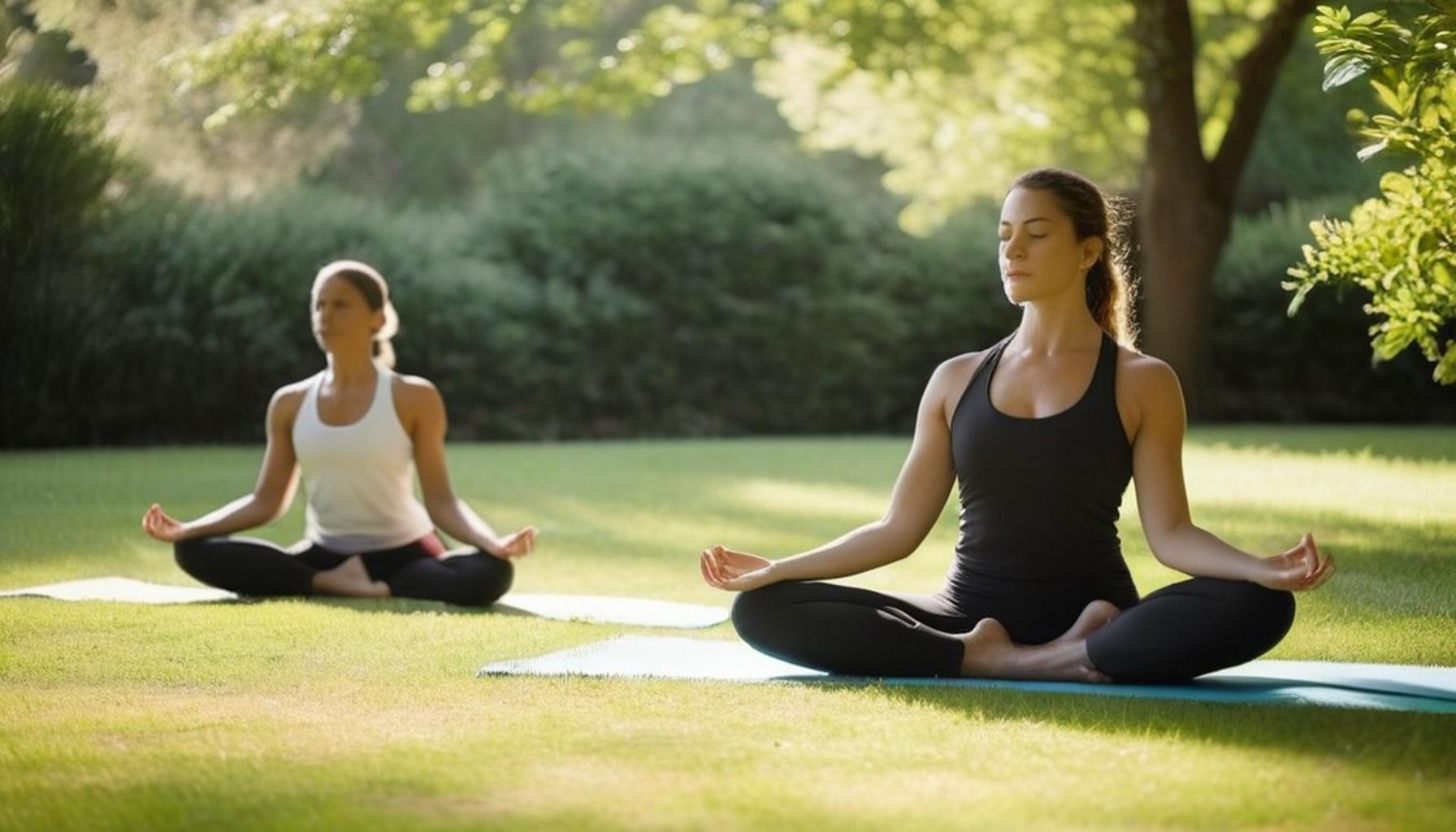
Why Millions of Americans Are Turning to Mindfulness and Exercise
Across the country, from crowded subway platforms in Chicago to quiet suburban streets in Ohio, a quiet revolution is taking place. People are ditching quick fixes and instead embracing a combination that researchers have quietly championed for years: mindfulness and exercise. Nearly 80% of Americans report feeling stressed at least once a week, according to recent surveys, and many are no longer willing to just push through it. This isn’t a passing wellness fad—it’s a shift supported by decades of peer-reviewed research and increasingly visible in everyday routines.
From busy professionals in New York juggling back-to-back meetings to retirees in Arizona seeking new purpose after decades in the workforce, Americans of all ages are rethinking how they spend their time and energy. The goal isn’t temporary relaxation—it’s discovering lasting life satisfaction techniques that hold up under real-world pressure, whether that’s a looming deadline or a long commute.
What Science Says About Mind-Body Wellness
Researchers have identified specific, measurable connections between mental clarity, physical movement, and overall happiness. Institutions like Harvard Medical School and the National Institutes of Health have published studies showing that the benefits of mindfulness, when paired with regular physical activity, produce results that neither practice achieves alone. This combination is gaining traction nationwide, appearing everywhere from corporate wellness programs to high school health curriculums.
- Reduced anxiety and improved emotional regulation
- Enhanced sleep quality and energy levels
- Stronger immune function and cardiovascular health
- Greater resilience against daily stressors
- Improved focus and decision-making under pressure
Consider this: studies show that just 10 minutes of daily meditation combined with 30 minutes of moderate exercise, such as brisk walking or cycling, can significantly boost mood and cognitive function. This isn’t speculation—it’s measurable, replicated science, with results appearing in controlled studies published in journals like JAMA Internal Medicine. Participants who practiced this combination reported noticeably lower cortisol levels, the hormone most associated with chronic stress.
Exploring the Connection Between Movement and Mental Clarity
The relationship between exercise and mental health runs deeper than most realize. Physical activity triggers the release of endorphins—often called the body’s natural mood elevators—while mindfulness practices help process emotions more effectively, reducing the mental clutter that often leads to burnout. Think of it as clearing static from a radio signal: exercise turns up the volume on positive brain chemistry, while mindfulness fine-tunes the frequency.
Together, these two elements create a feedback loop that amplifies benefits over time. A morning jog followed by five minutes of deep breathing, for example, can set a calmer, more focused tone for an entire workday. Understanding the importance of physical activity alongside mental wellness practices could be the key to unlocking sustained happiness, rather than the fleeting satisfaction of a single good workout or meditation session.
This article explores actionable mindfulness practices and exercise routines that fit into everyday American life—no gym membership, expensive equipment, or weekend meditation retreat required. Whether it’s a ten-minute walk around the block in Seattle or a guided breathing app used during a lunch break in Atlanta, the tools for transformation may already be closer than most people think.
# From Los Angeles Gyms to Living Room Yoga Mats: Real Habits, Real ResultsWalk into any fitness studio in Austin or scroll through a wellness app developed in San Francisco, and you’ll notice something: the conversation has shifted. It’s no longer just about burning calories or hitting step counts. Instead, people are asking a bigger question—how do mindfulness and exercise work together to create a life that actually feels satisfying?The answer lies in specific, actionable routines that everyday Americans are adopting, often without any formal training or expensive subscriptions.
Building a Foundation with Simple, Repeatable Habits
Experts in behavioral psychology point out that consistency matters more than intensity. A retiree in Florida walking briskly for 20 minutes each morning while focusing on her breath is often reaping more long-term benefit than someone sporadically attending high-intensity classes once a month.This is where life satisfaction techniques become less about grand gestures and more about small, sustainable choices. Consider the following approaches gaining popularity across the United States:
- Starting the day with a five-minute body scan meditation before checking a smartphone
- Taking a 15-minute walk during lunch breaks instead of eating at a desk
- Practicing box breathing—four seconds in, four seconds hold, four seconds out—before stressful meetings
- Using a fitness tracker not to obsess over numbers, but to notice patterns in mood and energy
- Ending the day with light stretching paired with gratitude journaling
These aren’t complicated interventions. They’re accessible, low-cost, and backed by growing evidence from institutions like the Mayo Clinic and Johns Hopkins University, both of which have documented measurable improvements in participants’ stress hormone levels and self-reported happiness scores after just a few weeks of consistent practice.
Why the Combination Works Better Than Either Practice Alone
Isolated studies on exercise and mental health often show impressive results—reduced depression symptoms, improved sleep, sharper memory. Similarly, research on the benefits of mindfulness alone reveals lower anxiety and better emotional control.
But something interesting happens when researchers combine both. A 2019 study published in the Journal of Behavioral Medicine found that participants who paired aerobic activity with structured mindfulness sessions experienced a 30% greater reduction in perceived stress compared to those who practiced only one or the other.
This suggests the importance of physical activity isn’t just about the body—it’s about creating the right physiological conditions for mental clarity to take root. Exercise primes the brain, and mindfulness helps consolidate those gains into lasting emotional stability.
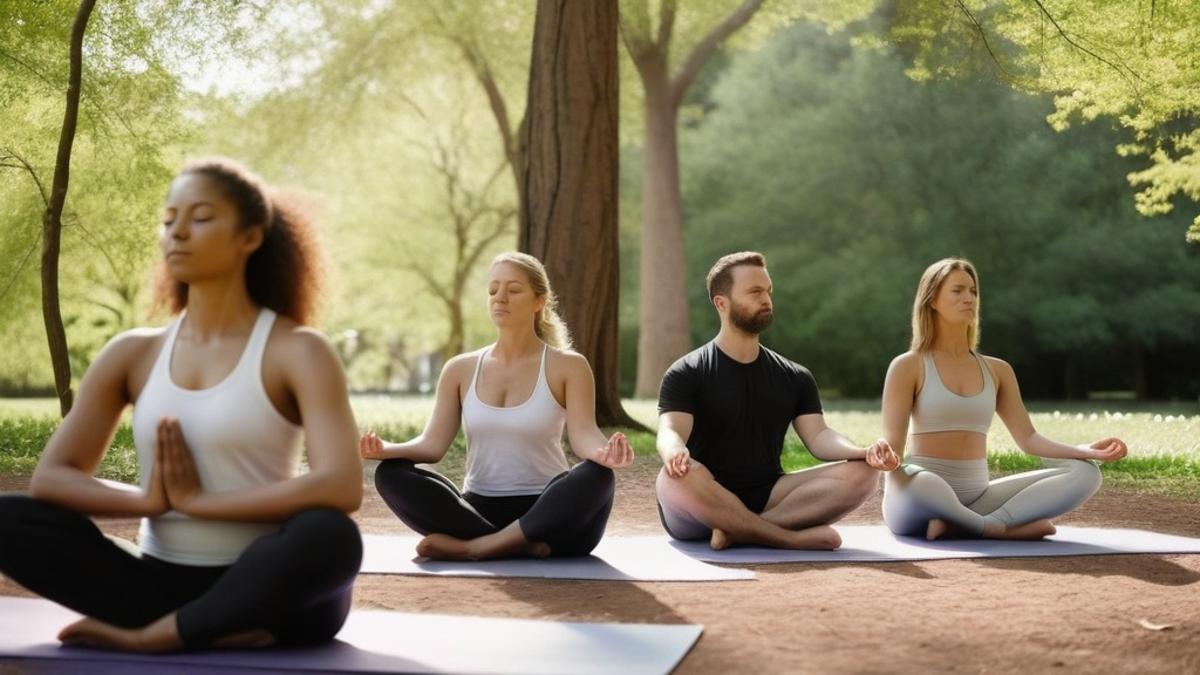
Key Aspects of Mindfulness and Exercise in Boosting Life Satisfaction
Understanding how mindfulness and exercise work together reveals powerful life satisfaction techniques that go beyond simple relaxation or fitness routines. Research consistently links these practices to measurable psychological and physical improvements.
The table below breaks down core elements tied to the benefits of mindfulness and the importance of physical activity, offering a quick reference before diving deeper into each concept.
| Category | Impact on Well-Being |
|---|---|
| Mindfulness Practices | Reduces cortisol levels by up to 23%, improving emotional regulation and focus. |
| Exercise and Mental Health | Boosts serotonin and endorphins, lowering anxiety symptoms significantly. |
| Sleep Quality | Combined routines improve sleep efficiency by 15-20%. |
| Social Connection | Group activities enhance feelings of belonging and support networks. |
Why These Categories Matter for Daily Life
Each factor listed above contributes uniquely to overall wellness. For instance, individuals practicing daily meditation alongside moderate cardio report higher resilience during stressful events.
Combining mindfulness and exercise isn’t just theoretical, it’s a practical strategy backed by clinical studies showing improved mood stability and cognitive clarity within weeks of consistent practice.
DIVE DEEPER: Click here to learn more
# The Science-Backed Numbers Behind a National Shift in Wellness
Skeptics might wonder if this is just another wellness trend destined to fade. The data suggests otherwise. According to the American Psychological Association’s 2022 Stress in America survey, 76% of adults reported that physical symptoms of stress had worsened, yet those who incorporated regular mindfulness practices alongside movement reported significantly higher coping scores than the national average.
What Happens Inside the Body During Combined Practice
Neuroscientists at institutions like UCLA’s Mindful Awareness Research Center have used fMRI scans to observe something remarkable. When individuals exercise and meditate within the same day, the amygdala—the brain’s alarm system for fear and stress—shows reduced reactivity for up to 48 hours afterward.
Meanwhile, the prefrontal cortex, responsible for decision-making and emotional regulation, demonstrates increased activity. This isn’t speculation; it’s measurable brain chemistry shifting in real time.
Cortisol, often called the stress hormone, drops noticeably after moderate aerobic activity. But when that same activity is followed by even ten minutes of focused breathing or seated meditation, researchers at Harvard Medical School found cortisol levels stayed lower for longer periods compared to exercise alone.
Real-World Applications Beyond the Studio
This isn’t confined to yoga retreats in Sedona or wellness centers in Malibu. Everyday workplaces are noticing too. Companies including Google and Aetna have implemented internal programs combining movement breaks with guided mindfulness sessions, reporting measurable upticks in employee-reported life satisfaction and reduced sick days.
Here’s what a practical weekly structure might look like for someone balancing work and personal life:
- Monday and Wednesday: 30-minute jog followed by a 10-minute guided meditation using a free app
- Tuesday and Thursday: Strength training paired with mindful eating during post-workout meals
- Friday: Restorative yoga session focusing entirely on breath awareness
- Weekend: Nature walk with no phone, practicing present-moment observation of surroundings
None of these require a gym membership costing hundreds of dollars monthly. Public parks, community centers, and even apartment living rooms across the country serve as adequate spaces.
The Overlooked Role of Social Connection
One factor rarely discussed is community. Group classes blending movement with mindfulness—like tai chi in a Chicago park or walking meditation groups in Portland—add a social dimension that amplifies benefits.
A study from the University of Pennsylvania found that individuals practicing mindfulness in group settings reported 25% higher satisfaction scores than solo practitioners. The combination of shared accountability and collective calm appears to reinforce habits that might otherwise fade after a few weeks.
DISCOVER MORE: Click here to learn about the benefits of regular physical activity
Bringing It All Together: A Sustainable Path Forward
The evidence is difficult to ignore. From UCLA’s brain scans to Harvard’s cortisol research, the case for combining mindfulness and exercise has moved well beyond anecdote. It’s now backed by measurable, replicable science that points to one conclusion: these two practices work better together than either does alone.
What makes this approach compelling isn’t just the biology. It’s the accessibility. No expensive retreat or specialized equipment is required. A public park bench, a living room floor, or a quiet corner during a lunch break can become the setting for meaningful change.
Rethinking What Wellness Actually Requires
Perhaps the most overlooked takeaway is that consistency matters more than intensity. The benefits of mindfulness paired with regular movement don’t demand hour-long sessions or elite athletic ability. Ten minutes of breathing after a brisk walk can shift cortisol levels for hours.
This reframes the conversation around life satisfaction techniques. Rather than chasing dramatic lifestyle overhauls, small, repeatable habits appear to generate the most lasting impact, especially when practiced alongside others in community settings.
Where This Leaves Us
The connection between exercise and mental health is no longer a fringe idea confined to wellness blogs. It’s supported by institutions ranging from the APA to major employers rethinking workplace culture nationwide.
As more Americans search for grounded, evidence-based ways to navigate stress, the importance of physical activity paired with present-moment awareness will likely continue gaining traction. Those curious enough to experiment with even a modest weekly routine may find the data mirrored in their own daily experience, a quieter mind and a steadier sense of contentment.
Frequently Asked Questions
How does combining mindfulness and exercise improve life satisfaction more than doing either alone?
Mindfulness helps you stay present and notice the mood-boosting effects of exercise, which reinforces motivation to keep moving. Together they reduce stress hormones while increasing endorphins and self-awareness, creating a feedback loop that strengthens emotional resilience and overall contentment. Research shows people who practice both report higher satisfaction scores than those who only exercise or only meditate.
What is the best way to start a mindfulness and exercise routine as a beginner?
Start small by pairing five minutes of deep breathing or body-scan meditation with a 15-20 minute walk or light workout. Focus on how your body feels during movement rather than counting reps or distance, which builds the mindfulness habit naturally. Gradually increase duration as the routine becomes part of your daily schedule.
Can mindful walking really count as both mindfulness practice and exercise?
Yes, mindful walking combines physical activity with present-moment awareness, making it an efficient way to practice both simultaneously. By paying attention to your breath, footsteps, and surroundings, you turn a simple walk into a moving meditation that lowers anxiety and improves mood. It’s especially useful for people who find seated meditation difficult.
How long does it take to notice life satisfaction improvements from mindfulness and exercise?
Many people report feeling calmer and more energized within one to two weeks of consistent practice, even just 10-20 minutes daily. Deeper shifts in overall life satisfaction, such as better relationships and stress management, typically emerge after 6-8 weeks of regular practice. Consistency matters more than intensity for lasting results.
What types of exercise work best when paired with mindfulness for stress relief?
Yoga, tai chi, and walking are especially effective because they naturally encourage slow, focused movement paired with breath awareness. However, mindfulness can be layered onto any activity, including running or strength training, by simply tuning into physical sensations instead of distractions. The key is choosing movement you enjoy so the practice feels sustainable rather than forced.
Is it necessary to meditate formally, or can mindfulness be integrated directly into workouts?
Formal meditation isn’t required; mindfulness can be woven directly into workouts by focusing on breathing patterns, muscle engagement, and posture during exercise. This informal approach still delivers stress-reduction and mood benefits similar to seated meditation. Many people find integrated mindfulness easier to maintain long-term because it doesn’t require extra time in their day.

Linda Carter
Linda Carter is a writer specializing in healthy habits and balanced living. With extensive experience helping readers build sustainable routines, she shares practical guidance on nutrition, physical activity, quality sleep, stress management, and emotional well-being. Her goal is to offer simple, accessible strategies that inspire people to care for their health and enjoy a more balanced life.