
How Meditation Can Transform Your Sleep and Promote a Balanced Life
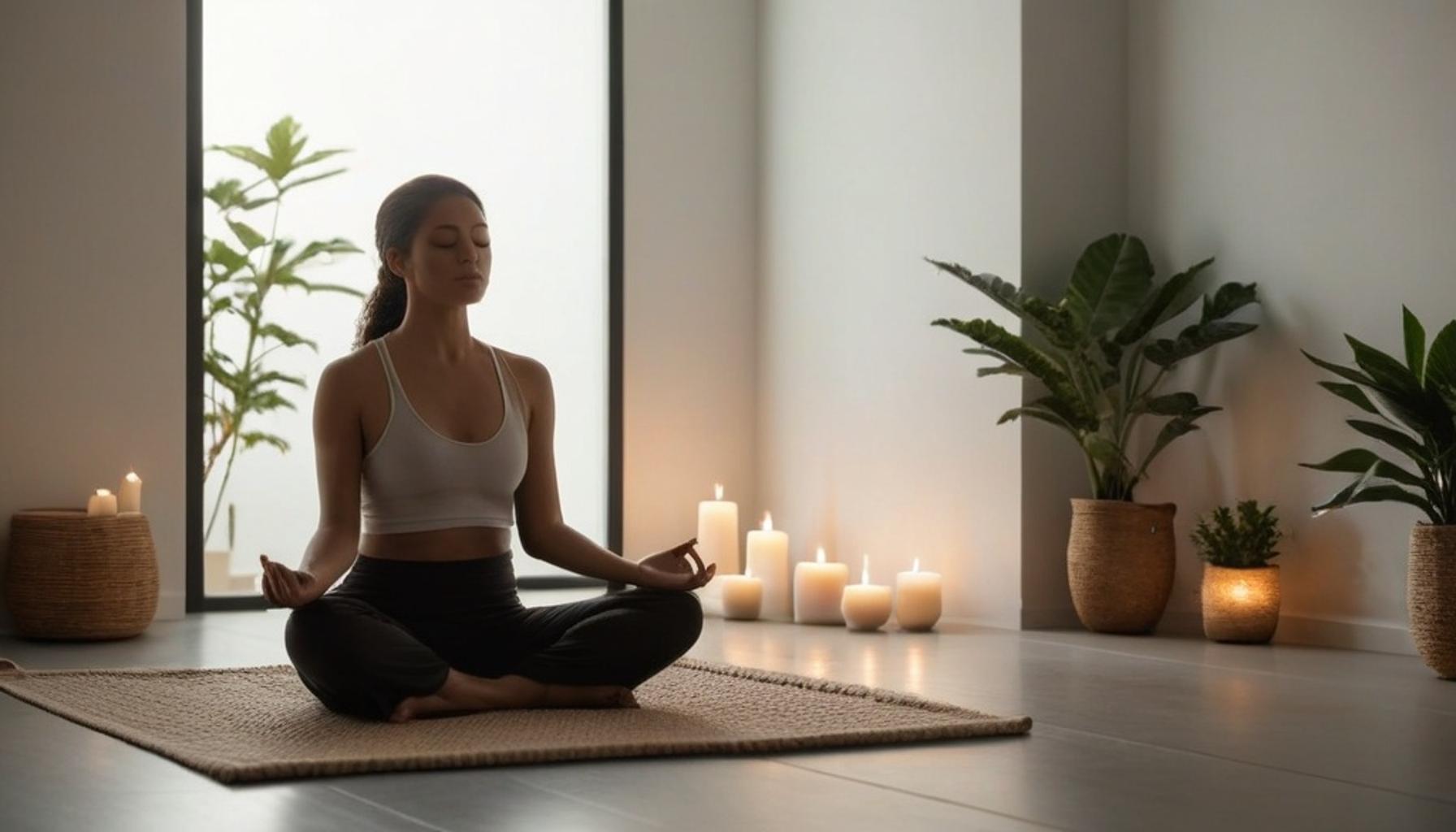
Why Millions of Americans Are Turning to Meditation for Better Rest
At 2 a.m., staring at the ceiling, an estimated 70 million Americans are wrestling with some form of sleep disruption. From Los Angeles to New York, the search for a fix has led many away from sleeping pills and toward something surprisingly simple: their own breath.
Meditation and sleep transformation is no longer a niche wellness trend—it is backed by clinical research and embraced by everyday people seeking real change. This ancient practice is proving to be a powerful tool for calming a racing mind and preparing the body for deep, restorative rest. Sleep clinics in major metropolitan areas, including Boston and Seattle, report a noticeable uptick in patients requesting mindfulness-based interventions instead of, or alongside, traditional pharmaceutical treatments.
The shift makes sense when you consider the numbers. According to data cited by the Centers for Disease Control and Prevention, roughly one in three American adults does not get enough sleep on a regular basis. That chronic deficit has been linked to increased risks of heart disease, diabetes, and even accidents behind the wheel. Against that backdrop, a free, drug-free practice that requires nothing more than a quiet room and a few minutes of focus has understandably caught the attention of researchers, physicians, and exhausted parents alike.
What This Article Will Explore
Understanding how meditation improves sleep quality starts with recognizing what happens in the brain during practice. Functional MRI studies have shown that regular meditation can reduce activity in the amygdala, the brain’s alarm system, while strengthening connections in regions responsible for emotional regulation. This introduction sets the stage for a deeper dive into practical strategies anyone can use tonight, whether they are a first-time meditator or someone who has tried and abandoned the practice before.
- The science behind the benefits of meditation for sleep, including what happens to cortisol levels and heart rate variability
- Simple meditation techniques for better sleep you can try immediately, from body scans to guided breathing
- How mindfulness and balanced life practices reduce daily stress that often carries into the bedroom
- A step-by-step sleep meditation guide for beginners, designed to remove guesswork and build consistency
Whether you’re a busy professional in Chicago juggling back-to-back Zoom calls or a parent in Austin managing school pickups and endless to-do lists, the promise of better sleep through mindfulness is worth exploring. The following sections reveal exactly how this transformation happens—and how to make it work for you, regardless of your schedule, experience level, or skepticism about anything labeled “wellness.”
RECOMMENDED: How Nutrition Affects Sleep Patterns and Quality
# Inside the Sleep-Deprived American Brain: What Science RevealsWalk into any pharmacy in the country and you’ll find entire aisles dedicated to sleep aids. Melatonin gummies, magnesium blends, over-the-counter antihistamines marketed for drowsiness—the shelves tell a story of a nation desperate for rest. Yet a growing body of research suggests the most effective tool might not be sitting on a shelf at all.
The Biology of a Racing Mind
When stress hormones flood the body, sleep becomes nearly impossible. Cortisol, the hormone tied to alertness and the body’s fight-or-flight response, naturally rises and falls throughout the day. In a healthy pattern, it drops significantly by evening. But for millions of stressed-out Americans, that decline never happens properly.
This is where meditation and sleep transformation intersects directly with measurable physiology. A 2015 study published in JAMA Internal Medicine followed older adults with moderate sleep disturbances and found that those who practiced mindfulness meditation experienced significantly less insomnia, fatigue, and depression compared to a group receiving standard sleep hygiene education.
Researchers at institutions including Harvard Medical School have documented similar patterns: consistent meditation practice appears to lower evening cortisol levels while simultaneously increasing heart rate variability, a key marker of the body’s ability to relax and recover.
The mechanism behind this shift involves the parasympathetic nervous system, often called the body’s “rest and digest” network. When someone sits quietly and focuses on breath or bodily sensation, activity in the amygdala—the brain’s alarm center—tends to quiet down. Functional MRI scans from studies at UCLA and elsewhere have shown reduced amygdala reactivity in regular meditators, suggesting the practice doesn’t just feel calming; it physically retrains how the brain responds to perceived threats, including the low-grade anxiety that keeps so many people staring at their ceiling at 2 a.m.
Why This Matters for Everyday Life
Understanding how meditation improves sleep quality isn’t just an academic exercise. The practical implications touch nearly every aspect of daily functioning, including:
- Faster time to fall asleep, with some studies showing reductions of 15 to 20 minutes in sleep onset latency
- Fewer nighttime awakenings, allowing for longer stretches of uninterrupted deep sleep
- Improved daytime concentration, reported by shift workers and office employees alike
- Reduced reliance on prescription sleep medications, according to several small-scale clinical trials
These aren’t marginal improvements. For someone commuting through Atlanta traffic on four hours of sleep, or a nurse in Phoenix working rotating night shifts, even a modest gain in sleep quality can mean the difference between a productive day and a dangerous one.
Consider the numbers from the CDC, which estimates that roughly one in three American adults fails to get sufficient sleep on a regular basis. That statistic isn’t confined to any single demographic. It spans truck drivers hauling freight across Texas highways, college students in Boston cramming for exams, and retail workers in Ohio juggling irregular scheduling. Meditation apps like Calm and Headspace have capitalized on this demand, reporting millions of downloads specifically tied to sleep-focused programming, a trend that mirrors the broader cultural shift toward viewing mental stillness as a legitimate health intervention rather than a fringe practice.
The benefits of meditation for sleep extend beyond the individual bedroom, too. Better-rested employees show fewer workplace errors. Better-rested drivers cause fewer accidents. The ripple effects reach far beyond personal wellness, touching public health in ways researchers are only beginning to quantify.
Some employers have taken notice. Companies ranging from tech firms in Silicon Valley to hospital systems in the Midwest have begun offering mindfulness training as part of employee wellness packages, partly in response to data linking sleep deprivation to billions of dollars in lost productivity annually. Whether these programs will meaningfully move the needle on a national scale remains an open question, one that public health officials and workplace researchers continue to study closely.
What remains clear is this: the connection between a calmer mind and a more restful night isn’t wishful thinking. It’s measurable, repeatable, and increasingly difficult for the medical community to ignore.

YOU MAY ALSO LIKE: The Impact of Sleep Hygiene on Overall Well-Being
# Practical Pathways: Meditation Techniques That Actually Work
Finding the Right Approach for Your Sleep Struggles
Not all meditation practices deliver the same results, and understanding which meditation techniques for better sleep fit specific needs can make the difference between frustration and genuine progress. Body scan meditation, for instance, guides attention slowly through each muscle group, releasing tension that accumulates from a day spent hunched over laptops or standing behind retail counters. This technique has gained traction in workplace wellness programs across the country, from tech campuses in Seattle to hospital staff rooms in Atlanta, where employees report using it during breaks to reset before finishing demanding shifts.
Progressive relaxation works similarly but pairs muscle tightening with deliberate release, a technique often recommended by sleep clinics in cities like Denver and Minneapolis where seasonal light changes disrupt circadian rhythms. Breath-focused practices, meanwhile, remain the simplest entry point. Counting inhales and exhales—often in a 4-7-8 pattern popularized by Dr. Andrew Weil—activates the vagus nerve, sending direct signals to the brain that it’s safe to power down. Some practitioners describe this method as a kind of physiological hack, bypassing racing thoughts entirely by working through the body instead of the mind.
Guided sleep meditations have also surged in popularity, particularly among people who find silent practice difficult to sustain. A sleep meditation guide delivered through audio, whether via podcast or app, removes the burden of self-direction, letting a calm voice steer wandering thoughts back toward stillness. Apps like Calm and Headspace have reported millions of downloads tied specifically to sleep-focused content, suggesting a hunger for structure that self-guided silence simply doesn’t satisfy for most beginners.
What the Data Says About Consistency
Duration and frequency matter more than most people assume. A study from the University of Minnesota found that participants who meditated for just 10 minutes nightly over eight weeks reported measurable improvements in sleep latency, while those practicing sporadically saw minimal change. Researchers noted that consistency, even in short bursts, outperformed occasional longer sessions by a significant margin.
This finding echoes a broader theme in mindfulness and balanced life research: meditation functions less like a sedative and more like a trainable skill, similar to strength conditioning. The brain’s capacity to downshift into rest mode strengthens with repetition, not intensity. Neuroscientists studying this phenomenon point to changes in the prefrontal cortex and amygdala activity, areas tied to stress regulation, as evidence that the practice reshapes neural pathways over time rather than delivering instant relief.
Sleep specialists have also noted timing plays a role. Practicing 30 to 60 minutes before bed, rather than immediately upon lying down, gives the nervous system a buffer period to transition, according to clinicians affiliated with the American Academy of Sleep Medicine. This window allows cortisol levels to drop gradually, rather than expecting an abrupt switch from wakefulness to rest.
Barriers Worth Acknowledging
Meditation isn’t a universal fix, and researchers are careful to note its limitations. People with severe anxiety disorders sometimes find that sitting quietly amplifies intrusive thoughts rather than calming them, a phenomenon some clinicians call “relaxation-induced anxiety.” This unexpected reaction has prompted therapists to rethink one-size-fits-all recommendations.
For these individuals, movement-based mindfulness—like slow yoga sequences or walking meditation—often proves more effective than seated stillness. Others struggle simply with time, particularly parents in dual-income households juggling school pickups and late work emails.
Yet even brief, imperfect attempts appear to matter. Sleep researchers at Northwestern University have suggested that inconsistent five-minute sessions still outperform no practice at all, reinforcing that meditation and sleep transformation doesn’t demand perfection, only persistence.
The growing accessibility of free resources—library-hosted mindfulness classes in states like Oregon and Vermont, community center workshops, and no-cost app trials—means financial barriers are shrinking too, opening the practice to a wider swath of sleep-deprived Americans searching for something that finally works.
SEE ALSO: Exploring the Connection Between Sleep Quality and Nutrition: Foods for Better Rest
Rest as a Reflection of a Larger Practice
The evidence gathered across sleep clinics, university studies, and everyday households points toward a consistent conclusion: meditation and sleep transformation are deeply connected, but the relationship extends beyond simply falling asleep faster. What begins as a nightly ritual to quiet a racing mind often evolves into something larger, a foundation for handling daytime stress, workplace pressure, and the general noise of modern life.
Understanding how meditation improves sleep quality requires looking past quick fixes. The techniques explored throughout this discussion, from body scans to breath work to guided audio sessions, share a common thread. They train the nervous system to recognize safety, gradually rather than instantly. This is why researchers at institutions like Northwestern and the University of Minnesota emphasize consistency over intensity, and why sleep specialists recommend building a buffer window before bed rather than expecting immediate results.
The benefits of meditation for sleep also ripple outward into daytime functioning. Improved rest supports sharper decision-making, steadier moods, and reduced reliance on caffeine or over-the-counter sleep aids, concerns increasingly common among American adults juggling long commutes and irregular schedules.
Still, no single method works for everyone. Some will find stillness uncomfortable and need movement-based alternatives, while others thrive with a simple counting breath or a familiar voice guiding them through a nightly sleep meditation guide. This flexibility is part of what makes mindfulness and balanced life practices sustainable long-term, rather than another wellness trend abandoned after a few frustrating attempts.
Perhaps the most compelling takeaway is accessibility. With free community classes, library programs, and app trials spreading across the country, the barrier to entry has never been lower. The real question isn’t whether meditation can help, the data increasingly suggests it can, but whether individuals are willing to experiment, adjust, and stay patient long enough to notice the shift. For anyone lying awake at 2 a.m., that patience might be the first step toward genuinely restorative change.
Frequently Asked Questions
How does meditation actually improve sleep quality?
Meditation lowers cortisol and activates the parasympathetic nervous system, which slows your heart rate and calms racing thoughts before bed. This shift makes it easier to fall asleep faster and stay in deeper, more restorative sleep stages. Over time, regular practice can also reduce nighttime awakenings linked to stress and anxiety.
What type of meditation is best for sleep transformation?
Body scan meditation and guided sleep meditations are especially effective because they shift focus away from stressful thoughts and relax muscle tension. Breathing-based techniques like 4-7-8 breathing also work well for calming the nervous system quickly. Many people combine these with mindfulness meditation for longer-term benefits to both sleep and daily balance.
How long before bed should I meditate to see results?
Most experts recommend meditating 15 to 30 minutes before bedtime to allow your body enough time to transition into a relaxed state. Starting with just 5 to 10 minutes and gradually increasing duration works well for beginners. Consistency matters more than length, so a nightly 10-minute practice often outperforms occasional longer sessions.
Can meditation help with insomnia or chronic sleep issues?
Yes, research shows mindfulness-based meditation can significantly reduce symptoms of insomnia by addressing the anxious thought patterns that keep people awake. It won’t replace medical treatment for severe sleep disorders, but it’s an effective complementary tool. Many people notice improvement within 4 to 8 weeks of consistent nightly practice.
How does better sleep from meditation affect overall life balance?
Improved sleep enhances emotional regulation, focus, and energy levels, which naturally reduces daily stress and improves relationships and work performance. This creates a positive cycle where better rest supports the mental clarity needed to maintain mindfulness practices. Together, meditation and quality sleep reinforce a more balanced, resilient lifestyle.
What’s the biggest mistake beginners make when using meditation for sleep?
A common mistake is expecting immediate results and giving up after a few nights without noticeable change. Another frequent error is meditating while still using phones or bright screens beforehand, which counteracts the calming effects. Success comes from pairing consistent practice with good sleep hygiene, like a dark room and consistent bedtime.

Linda Carter
Linda Carter is a writer specializing in healthy habits and balanced living. With extensive experience helping readers build sustainable routines, she shares practical guidance on nutrition, physical activity, quality sleep, stress management, and emotional well-being. Her goal is to offer simple, accessible strategies that inspire people to care for their health and enjoy a more balanced life.