
Exploring the Connection Between Sleep Quality and Nutrition: Foods for Better Rest

Why What You Eat Might Be Keeping You Up at Night
Nearly 1 in 3 American adults doesn’t get enough sleep, according to the CDC. While stress and screen time often take the blame, researchers are increasingly pointing to something closer to home: your dinner plate.
The link between sleep quality and nutrition is more powerful than most people realize. Certain foods can either sabotage your rest or actively promote deeper, more restorative sleep. Think about that late-night pizza order or the extra glass of wine after work—these seemingly harmless choices could be quietly rewriting your sleep architecture without you even noticing.
The Diet-Sleep Connection Nobody Talks About
Scientists have identified specific nutrients that influence melatonin production, serotonin levels, and the body’s natural sleep-wake cycle. This means how diet affects sleep isn’t just theory—it’s backed by measurable biological processes. Researchers at institutions like the National Institutes of Health have spent years mapping how gut health, blood sugar spikes, and nutrient absorption directly interact with the brain’s sleep centers.
Consider these eye-opening findings:
- Magnesium-rich foods can reduce the time it takes to fall asleep, with sources like spinach, almonds, and pumpkin seeds showing measurable effects in clinical studies
- Tryptophan-containing meals boost natural melatonin production, explaining why that post-Thanksgiving turkey nap isn’t just a myth
- High-sugar diets are linked to more nighttime awakenings, with some studies showing a 40 percent increase in disrupted sleep among heavy sugar consumers
- Certain antioxidants may improve overall sleep efficiency, particularly those found in tart cherries and kiwi fruit
This growing body of research has fueled interest in nutrition for better sleep, with many Americans turning to food as a natural alternative to sleep aids. In fact, sales of sleep-supporting supplements and functional foods have surged in grocery stores nationwide, reflecting a cultural shift away from over-the-counter medications toward dietary solutions.
What This Article Will Cover
Below, we’ll break down the science behind sleep improving foods and explain exactly which nutrients matter most. You’ll also discover practical, everyday meal choices that support better rest—from smart dinner swaps to strategic snacking before bed.
Understanding this diet and sleep connection could be the missing piece in your quest for consistently better nights. We’ll examine what leading sleep researchers are saying, review the most compelling clinical evidence, and offer actionable guidance you can start using tonight. Let’s explore what the science actually says.
The Science Behind Sleep-Promoting Nutrients
To truly grasp sleep quality and nutrition, you need to understand what’s happening at the cellular level. Your body doesn’t randomly decide when to feel drowsy or alert—it follows biochemical signals triggered largely by what you’ve eaten hours earlier.
Tryptophan, an amino acid found in foods like turkey, eggs, and cheese, serves as the building block for serotonin, which then converts into melatonin—the hormone that regulates your sleep-wake cycle. Harvard Medical School researchers have noted that this conversion process depends heavily on carbohydrate intake, which is why pairing tryptophan-rich foods with complex carbs, like whole grain crackers with cheese, can amplify the sleep-inducing effect.
Key Nutrients That Influence Rest Quality
Beyond tryptophan, several other nutrients play starring roles in how diet affects sleep. Understanding these can help you make smarter choices at the grocery store and in your kitchen.
- Magnesium acts as a natural relaxant for the nervous system, and deficiency has been linked to restless sleep and frequent nighttime waking
- Melatonin-boosting compounds found naturally in tart cherries and walnuts can shorten the time it takes to drift off
- Vitamin B6, present in foods like salmon and chickpeas, helps convert tryptophan into usable serotonin more efficiently
- Calcium works alongside magnesium to help the brain use tryptophan effectively, making dairy products before bed more than just an old wives’ tale
- Omega-3 fatty acids from fatty fish like salmon and sardines have been associated with improved sleep efficiency in multiple clinical trials
A 2019 study published in the Journal of Clinical Sleep Medicine found that participants following a diet rich in fiber and low in saturated fat and sugar fell asleep faster and spent more time in deep, restorative sleep stages. This reinforces the idea that nutrition for better sleep isn’t about a single miracle food—it’s about overall dietary patterns.
Why Timing Matters Just as Much as Food Choice
Interestingly, when you eat can be just as important as what you eat. Consuming heavy, fatty meals within three hours of bedtime has been shown to increase the likelihood of disrupted sleep, according to sleep researchers at the University of Chicago. Your digestive system stays active, competing with the body’s natural wind-down process.
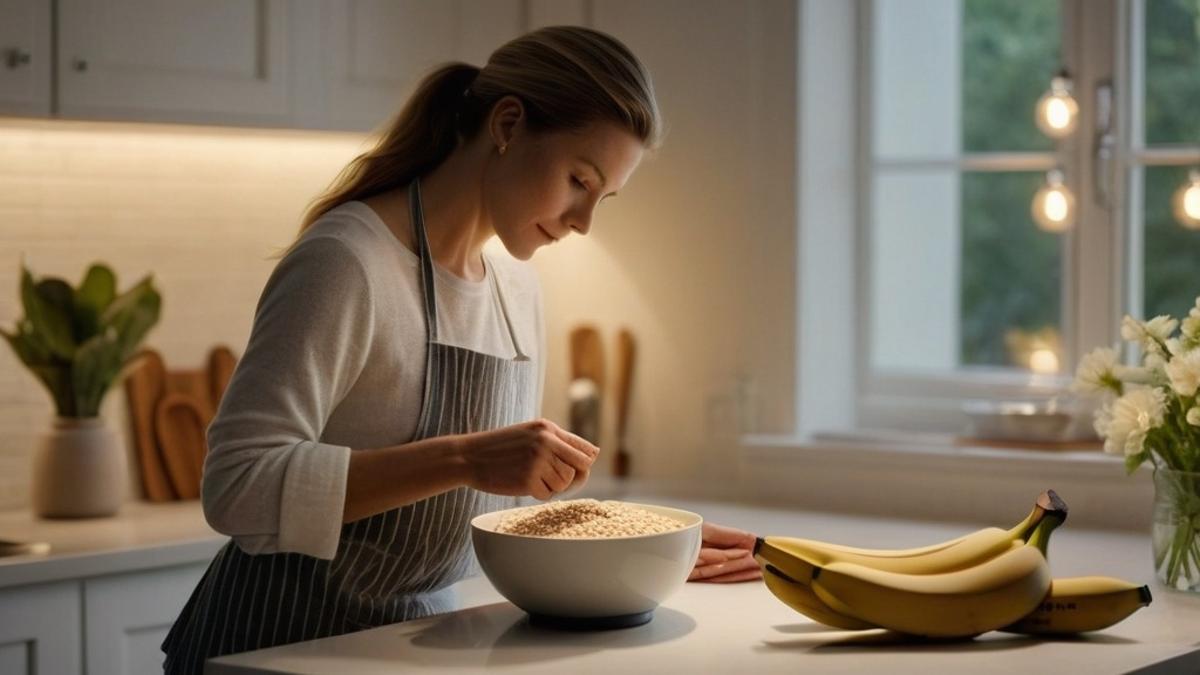
On the other hand, a light snack combining protein and complex carbohydrates—think a small bowl of oatmeal with a splash of milk—about 30 to 60 minutes before bed may actually support better sleep onset. This timing strategy has become a cornerstone recommendation among nutritionists studying the diet and sleep connection, particularly for people who struggle with waking up hungry in the middle of the night.
RECOMMENDED: The importance of sleep hygiene: practices to improve the quality of your rest
Foods for Better Sleep: What to Add to Your Plate Tonight
If you’re wondering where to start, grocery store aisles across the United States are already stocked with sleep-improving foods that most people simply overlook. Kiwifruit, for example, has become something of a sleeper hit in nutrition research—literally. A study out of Taipei Medical University found that participants who ate two kiwis an hour before bed fell asleep 42% faster and experienced a 13% increase in total sleep time.
Tart cherry juice has also gained traction among American consumers, particularly athletes and older adults dealing with insomnia. Research from Louisiana State University discovered that drinking tart cherry juice twice daily increased sleep time by an average of 84 minutes in adults with chronic insomnia. That’s a substantial improvement from something as simple as a beverage swap.
Everyday Staples with Surprising Sleep Benefits
You don’t need exotic superfoods to see results. Many sleep improving foods are already sitting in your pantry or refrigerator right now.
- Fatty fish such as salmon, tuna, and mackerel deliver both vitamin D and omega-3s, a combination linked to more efficient serotonin regulation
- Almonds provide magnesium and a modest dose of melatonin, making a small handful a smart evening snack
- Chamomile tea contains apigenin, an antioxidant that binds to specific brain receptors known to promote drowsiness
- Bananas combine potassium and magnesium with a bit of tryptophan, offering a triple-action approach to muscle relaxation and hormone support
- Whole grains like brown rice or quinoa raise blood sugar modestly, which can help tryptophan cross into the brain more easily
What’s particularly compelling is how these foods work synergistically rather than in isolation. Eating salmon with a side of quinoa, for instance, delivers omega-3s and complex carbs in one sitting, creating a more favorable biochemical environment for rest than either food alone.
Foods and Habits Working Against Your Sleep
Just as certain foods promote rest, others actively undermine it. Caffeine remains the most obvious culprit, but its half-life of five to six hours means that afternoon coffee at 3 p.m. could still be affecting your system at 9 p.m.
Alcohol presents a trickier situation. While it may initially induce drowsiness, research published by the National Institute on Alcohol Abuse and Alcoholism shows it fragments sleep architecture later in the night, reducing REM sleep and increasing awakenings.
Highly processed foods loaded with refined sugar have also been tied to poorer sleep outcomes. A Columbia University study tracking postmenopausal women found that higher sugar intake correlated with increased odds of insomnia, adding more weight to the broader diet and sleep connection that researchers continue to explore.
Rethinking Your Plate for Better Rest
The evidence is clear: sleep quality and nutrition are far more intertwined than most people realize. From kiwifruit’s melatonin boost to tart cherry juice’s measurable effect on insomnia, the science suggests that what you eat is quietly shaping how well you rest each night.
This isn’t about chasing a single miracle food. Rather, it’s about recognizing patterns. Magnesium-rich almonds, tryptophan-loaded bananas, and omega-3 packed salmon all point to the same conclusion—nutrition for better sleep works best as a cumulative strategy, not a one-time fix.
Equally important is understanding what to avoid. Late-day caffeine, nightcaps, and sugar-heavy snacks can quietly sabotage even the best intentions, disrupting sleep architecture in ways that aren’t always felt until the next morning’s grogginess sets in.
Consider this: Americans spend over 78 billion dollars annually on sleep aids and supplements, yet many overlook the groceries already sitting in their kitchens. That gap between spending and simple dietary awareness is worth sitting with.
So where does this leave you? Perhaps it’s time to treat dinner as more than fuel for tomorrow, but as preparation for tonight. Small swaps—herbal tea instead of a nightcap, a banana instead of a candy bar—can add up considerably over weeks and months.
Ultimately, how diet affects sleep remains an evolving area of research, but the current findings offer a practical starting point. The diet and sleep connection isn’t a fringe theory anymore; it’s backed by universities, measurable in clinical trials, and available at your neighborhood grocery store.
The next time you find yourself staring at the ceiling at 2 a.m., it might be worth asking not just how you slept, but what you ate.
Frequently Asked Questions
What foods are scientifically shown to improve sleep quality?
Foods rich in tryptophan, magnesium, and melatonin—such as almonds, kiwi, tart cherries, and fatty fish like salmon—have been linked to better sleep quality. These nutrients help regulate the sleep-wake cycle and support the production of serotonin and melatonin. Pairing them with complex carbohydrates like whole grains can further enhance their calming effects.
How does eating late at night affect sleep quality?
Eating large or heavy meals close to bedtime can disrupt digestion and trigger acid reflux, making it harder to fall and stay asleep. It’s generally best to finish eating at least two to three hours before bed to give your body time to digest. If you need a snack, opt for something light, like a small portion of yogurt or a banana.
Can certain nutrient deficiencies cause poor sleep?
Yes, deficiencies in magnesium, vitamin D, and B vitamins have been associated with insomnia and disrupted sleep patterns. Magnesium in particular plays a key role in relaxing muscles and calming the nervous system. Eating a balanced diet with leafy greens, nuts, and fortified foods can help address these gaps and support better rest.
Are there specific drinks that can help or hurt sleep quality?
Herbal teas like chamomile or valerian root can promote relaxation and improve sleep onset, while caffeinated beverages and alcohol can significantly disrupt sleep architecture. Caffeine, even consumed in the afternoon, can linger in your system for hours and delay sleep. Limiting these and opting for calming drinks in the evening supports more restorative rest.
How long before bedtime should I stop eating to improve sleep quality?
Most nutrition experts recommend stopping eating at least two to three hours before bedtime to allow proper digestion. This timing helps prevent issues like bloating, indigestion, and blood sugar spikes that can interfere with falling asleep. If hunger strikes later, choose a small, sleep-friendly snack rather than a full meal.

Linda Carter
Linda Carter is a writer specializing in healthy habits and balanced living. With extensive experience helping readers build sustainable routines, she shares practical guidance on nutrition, physical activity, quality sleep, stress management, and emotional well-being. Her goal is to offer simple, accessible strategies that inspire people to care for their health and enjoy a more balanced life.