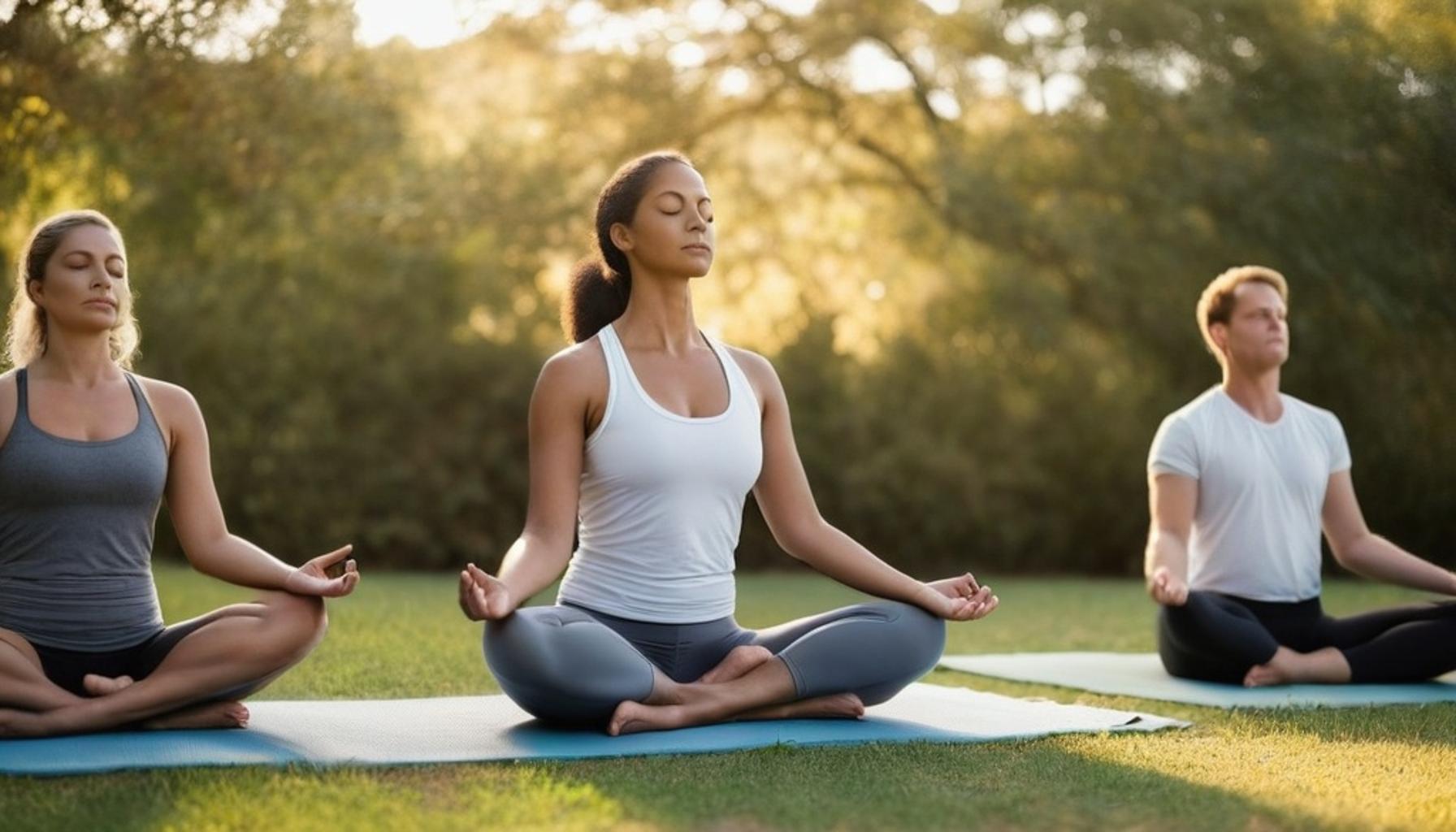
The importance of daily meditation for mental health and emotional balance
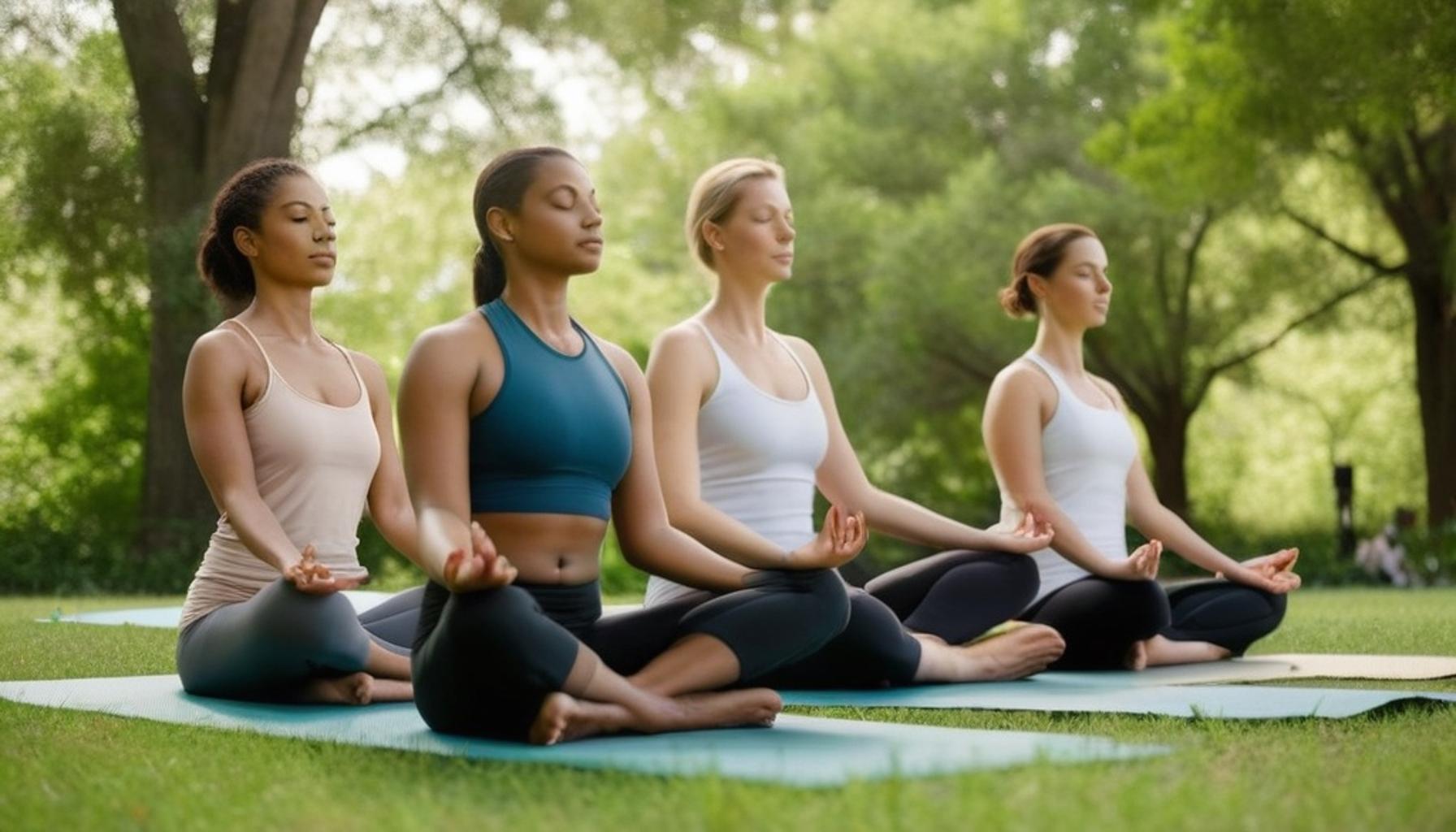
Why Millions of Americans Are Turning to Stillness Every Morning
Across the United States, from busy New York commuters to California wellness enthusiasts, a quiet revolution is taking place. Daily meditation for mental health has moved from niche practice to mainstream necessity. Stress-related conditions now affect nearly one in five American adults, according to national health surveys, and that number continues to climb as work pressures, digital overload, and economic uncertainty weigh heavily on the national psyche.
Walk into any office building in Chicago or Austin during lunch hour, and you might find employees slipping into quiet corners with meditation apps open on their phones. This isn’t a passing fad limited to yoga studios in Portland or wellness retreats in Sedona—it’s happening in corporate boardrooms, high school classrooms, and even military training facilities. Companies like Google and Salesforce have integrated mindfulness programs into their employee wellness packages, signaling a cultural shift that treats mental stillness as seriously as physical fitness.
Scientists have spent decades studying what monks and mystics have known for centuries. The benefits of meditation for mental health are no longer speculation—they’re measurable, repeatable, and backed by neuroscience. Researchers at institutions like Harvard and UCLA have used brain imaging technology to document structural changes in regions associated with emotional regulation, memory, and stress response.
What This Article Reveals
This piece explores exactly how meditation improves emotional balance in ways that surprised even skeptical researchers. Some studies have found that participants who once dismissed meditation as unscientific changed their minds entirely after seeing tangible results in clinical trials. You’ll discover practical, science-backed insights including:
- Specific daily meditation techniques used by therapists and wellness coaches nationwide, from body scans to breath-focused practices
- Real data on brain changes observed after just eight weeks of consistent practice, including reduced activity in the amygdala—the brain’s fear center
- Simple meditation practices for mental wellness that fit into even the busiest American lifestyle, whether you have five minutes or fifty
- How mindfulness meditation benefits extend beyond relaxation into measurable emotional resilience, improved focus, and even better relationships
Whether you’re managing workplace anxiety, seeking better sleep after months of restless nights, or simply craving mental clarity amid constant notifications and deadlines, the answers may be closer—and simpler—than you think. Many who once considered themselves too busy or too skeptical for meditation have found unexpected relief in just minutes a day. What follows might change how you start every single day, and possibly how you navigate everything that comes after.
LEARN MORE: The Role of Physical Exercise in Mental Health and Anxiety Reduction
# The Science Behind the Silence: What Happens Inside Your Brain
Long before meditation became a topic of casual conversation at dinner parties in Denver or a feature on morning talk shows in Miami, scientists were already asking a fundamental question: does sitting quietly and focusing on your breath actually change anything measurable in the human body?
The answer, it turns out, is a resounding yes. Daily meditation for mental health isn’t just a feel-good phrase tossed around by wellness influencers. It represents a documented physiological shift that researchers can observe, measure, and replicate in controlled settings, using tools as sophisticated as functional MRI scanners and as simple as a blood pressure cuff.
The Amygdala Effect
One of the most compelling discoveries involves the amygdala, the almond-shaped cluster of neurons responsible for processing fear and triggering the body’s stress response. A landmark study conducted at Massachusetts General Hospital found that participants who practiced mindfulness meditation for just eight weeks showed measurable shrinkage in amygdala gray matter density.
This matters enormously for anyone living with chronic stress, which describes a significant portion of American adults juggling mortgage payments, childcare, and unpredictable work schedules. When the amygdala calms down, the entire nervous system follows suit, sending fewer false alarms through the bloodstream and allowing the body to exit fight-or-flight mode far more quickly than it otherwise would.
How Meditation Improves Emotional Balance on a Cellular Level
Beyond brain structure, researchers have documented changes in cortisol levels, the hormone most associated with stress and anxiety. Regular practitioners often show significantly lower baseline cortisol compared to non-meditators, according to multiple peer-reviewed studies published in psychology and neuroscience journals. Some studies also point to changes in telomere length, a marker some scientists associate with cellular aging and long-term resilience.
The benefits of meditation for mental health extend into areas most people wouldn’t immediately connect to a quiet breathing exercise:
- Improved heart rate variability, a key indicator of how well the body handles stress
- Increased gray matter in the hippocampus, the region tied to learning and memory retention
- Reduced inflammation markers linked to anxiety and depressive symptoms
- Better regulation of the prefrontal cortex, which governs decision-making and impulse control
These aren’t vague claims pulled from ancient texts. They’re findings published in journals like Psychiatry Research and reviewed by institutions with no financial stake in promoting meditation apps or retreat centers, lending the research an added layer of credibility that skeptics often demand before buying into any wellness trend.
Why This Resonates With Everyday Americans
Consider a nurse working double shifts in a Houston hospital or a teacher managing thirty students in an Ohio classroom. Neither has time for hour-long silent retreats, yet both represent exactly the population benefiting most from short, consistent practice. Even ten minutes squeezed into a lunch break or a commute has shown measurable effects in smaller-scale studies focused on working professionals.
Clinical psychologists increasingly recommend meditation practices for mental wellness not as a replacement for therapy or medication, but as a complementary tool that strengthens emotional resilience over time. The cumulative effect, many practitioners report, feels less like a dramatic transformation and more like gradually building a muscle that helps absorb life’s inevitable shocks.
What makes this research particularly compelling is its accessibility. Unlike expensive supplements or specialized equipment, the practice requires nothing beyond a quiet corner and a willingness to sit still for a few minutes. For a population increasingly skeptical of quick fixes and miracle cures, the slow, cumulative, and scientifically documented nature of meditation’s effects offers something rare: a wellness practice that asks for patience rather than promises overnight results, backed by data rather than testimonials alone.
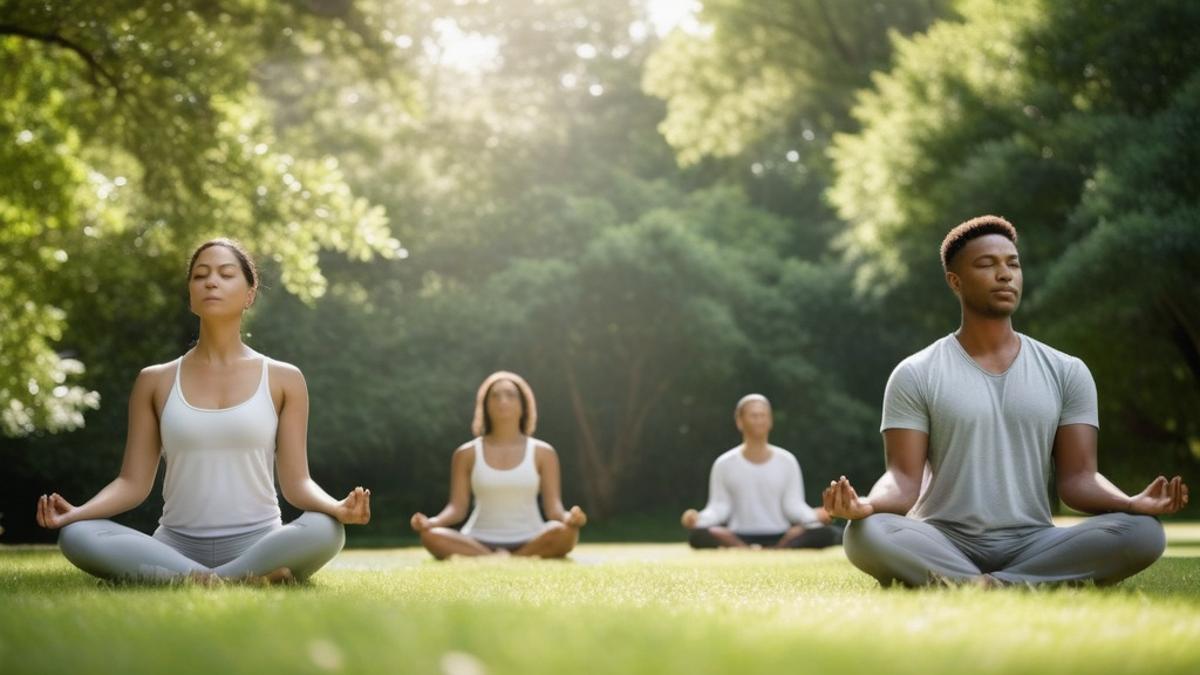
How Daily Meditation Shapes Mental Health and Emotional Balance
Scientific research increasingly confirms that daily meditation for mental health is not just a trend but a measurable tool for emotional regulation. Below is a snapshot of the core aspects that make mindfulness meditation benefits so significant for modern well-being.
| Key Aspect | Impact on Mental Wellness |
|---|---|
| Stress Reduction | Lowers cortisol levels, easing chronic tension within weeks of practice. |
| Emotional Regulation | Strengthens self-awareness, showing how meditation improves emotional balance over time. |
| Sleep Quality | Calms the nervous system, promoting deeper, uninterrupted rest. |
| Cognitive Focus | Enhances concentration through consistent daily meditation techniques. |
| Long-Term Resilience | Builds emotional resilience, a key goal of meditation practices for mental wellness. |
LEARN MORE: Mindfulness Techniques to Promote Emotional Resilience in Daily Life
# From Anxiety to Anchored: Real-World Applications That Go Beyond the Lab
Walk into any therapist’s office in Austin or Seattle today, and there’s a good chance mindfulness will come up before the session ends. What began as a niche practice tucked away in yoga studios has moved firmly into mainstream mental health treatment, and the reasons behind that shift reveal just as much as the neuroscience itself.
The Anxiety Connection Nobody Talks About Enough
Generalized anxiety disorder affects roughly 6.8 million American adults, according to the Anxiety and Depression Association of America. What’s less commonly discussed is how daily meditation for mental health specifically targets the rumination cycles that fuel chronic worry.
Rumination, the mental habit of replaying worst-case scenarios on an endless loop, activates the same neural pathways repeatedly until they become the brain’s default setting. Meditation interrupts that loop by training attention to return to the present moment, rather than spiraling into hypothetical futures.
A study from Johns Hopkins University reviewed nearly 19,000 meditation research papers and found moderate evidence that mindfulness programs reduced anxiety symptoms with effect sizes comparable to antidepressant medication, though without the associated side effects some patients experience.
Daily Meditation Techniques That Actually Fit Into American Schedules
Not every technique requires a cushion, incense, or thirty uninterrupted minutes. Several approaches have gained traction specifically because they accommodate the chaos of modern life:
- Body scan meditation, often done in bed before sleep, which takes as little as five minutes
- Walking meditation, popular among office workers who reclaim their lunch break for a mental reset
- Breath-counting exercises used during traffic jams or waiting rooms
- Loving-kindness meditation, shown to increase positive emotions and social connection in workplace studies
Corporate wellness programs at companies like Google and Aetna have integrated these meditation practices for mental wellness into employee benefits, reporting measurable drops in self-reported stress and healthcare costs tied to stress-related illness.
How Meditation Improves Emotional Balance During Life’s Rough Patches
Grief counselors in cities from Philadelphia to Phoenix have started recommending meditation to clients navigating loss, divorce, or job displacement. The reasoning centers on emotional regulation rather than avoidance.
Meditation doesn’t eliminate difficult emotions. Instead, it creates what researchers call “a pause between stimulus and response,” giving practitioners a few extra seconds to choose a reaction rather than default to an automatic one. That small window often determines whether a stressful moment escalates or resolves.
Veterans dealing with post-traumatic stress have also shown promising responses to structured mindfulness programs, with the Department of Veterans Affairs now offering meditation-based interventions at several facilities nationwide. Early outcome data suggests reduced hypervigilance and improved sleep quality among participants who maintained consistent practice over twelve weeks.
The broader takeaway from these applications is straightforward: the mindfulness meditation benefits documented in laboratories translate into tangible relief for people navigating everyday American stressors, from job insecurity to family caregiving responsibilities that rarely make headlines but quietly wear down mental reserves.
The Bigger Picture: What This Means for Your Mental Health Journey
The evidence gathered from neuroscience labs, veterans’ hospitals, and corporate wellness programs points toward one consistent conclusion: daily meditation for mental health isn’t a passing wellness trend, it’s a measurable intervention with documented outcomes.
From reduced cortisol levels to thicker prefrontal cortex tissue, the physiological changes triggered by consistent practice explain why so many clinicians now recommend it alongside, or sometimes instead of, traditional treatment approaches.
What stands out most is accessibility. Nobody needs a retreat in the mountains or a $200 meditation cushion to experience the benefits of meditation for mental health. Five minutes of body scanning before sleep or a mindful walk during a lunch break can produce real shifts in how the brain processes stress.
Understanding how meditation improves emotional balance also reframes the goal itself. This isn’t about eliminating anxiety, grief, or frustration entirely. It’s about creating enough space between feeling and reacting that difficult emotions stop dictating every decision.
For anyone still on the fence, the practical daily meditation techniques covered throughout this piece offer a low-risk entry point. Start small, stay consistent, and let the data, rather than hype, guide expectations.
As more employers, veterans’ programs, and therapists across the country incorporate meditation practices for mental wellness into their standard offerings, the conversation is shifting from whether meditation works to how best to use it.
The mindfulness meditation benefits documented here suggest that a few quiet minutes each day might be one of the most cost-effective tools available for protecting mental health in an increasingly demanding world. The next step is simple: try it, track how it feels, and see where it leads.
Frequently Asked Questions
How long should I meditate each day to see improvements in mental health?
Research suggests that even 10 to 15 minutes of daily meditation can reduce symptoms of anxiety and stress within a few weeks. Consistency matters more than duration, so a short daily session is more beneficial than a long, infrequent one. As you build the habit, you can gradually extend sessions to 20 to 30 minutes for deeper emotional balance.
Can daily meditation really help with anxiety and depression, or is it just relaxation?
Daily meditation for mental health goes beyond simple relaxation by training the brain to regulate emotional responses and reduce activity in the amygdala, the brain’s stress center. Studies show regular practice can lower cortisol levels and improve mood regulation, making it a legitimate complement to therapy or medication for anxiety and depression. However, it works best as part of a broader mental health plan rather than a standalone cure.
What is the best time of day to meditate for emotional balance?
Many people find that meditating in the morning helps set a calm, focused tone for the rest of the day and reduces reactivity to stress. Evening meditation can also be effective for processing daily emotions and improving sleep quality. Ultimately, the best time is whichever slot you can commit to consistently, since regularity is key to long-term emotional balance.
Do I need special training or apps to start a daily meditation practice?
No special training is required to begin; simple techniques like focused breathing or body scans can be learned in minutes through free resources. Apps such as Headspace, Calm, or Insight Timer can provide guided sessions that make it easier to stay consistent, especially for beginners. Over time, many practitioners transition to unguided meditation as they become more comfortable with the practice.
How does daily meditation compare to other mental health practices like exercise or journaling?
Daily meditation for mental health specifically targets present-moment awareness and emotional regulation, while exercise boosts endorphins and journaling helps process thoughts through writing. Combining meditation with these practices often produces the strongest results, since each addresses mental well-being from a different angle. Many mental health professionals recommend integrating meditation alongside physical activity and reflective writing for a well-rounded self-care routine.

Linda Carter
Linda Carter is a writer specializing in healthy habits and balanced living. With extensive experience helping readers build sustainable routines, she shares practical guidance on nutrition, physical activity, quality sleep, stress management, and emotional well-being. Her goal is to offer simple, accessible strategies that inspire people to care for their health and enjoy a more balanced life.