
The importance of mindfulness meditation in promoting mental well-being
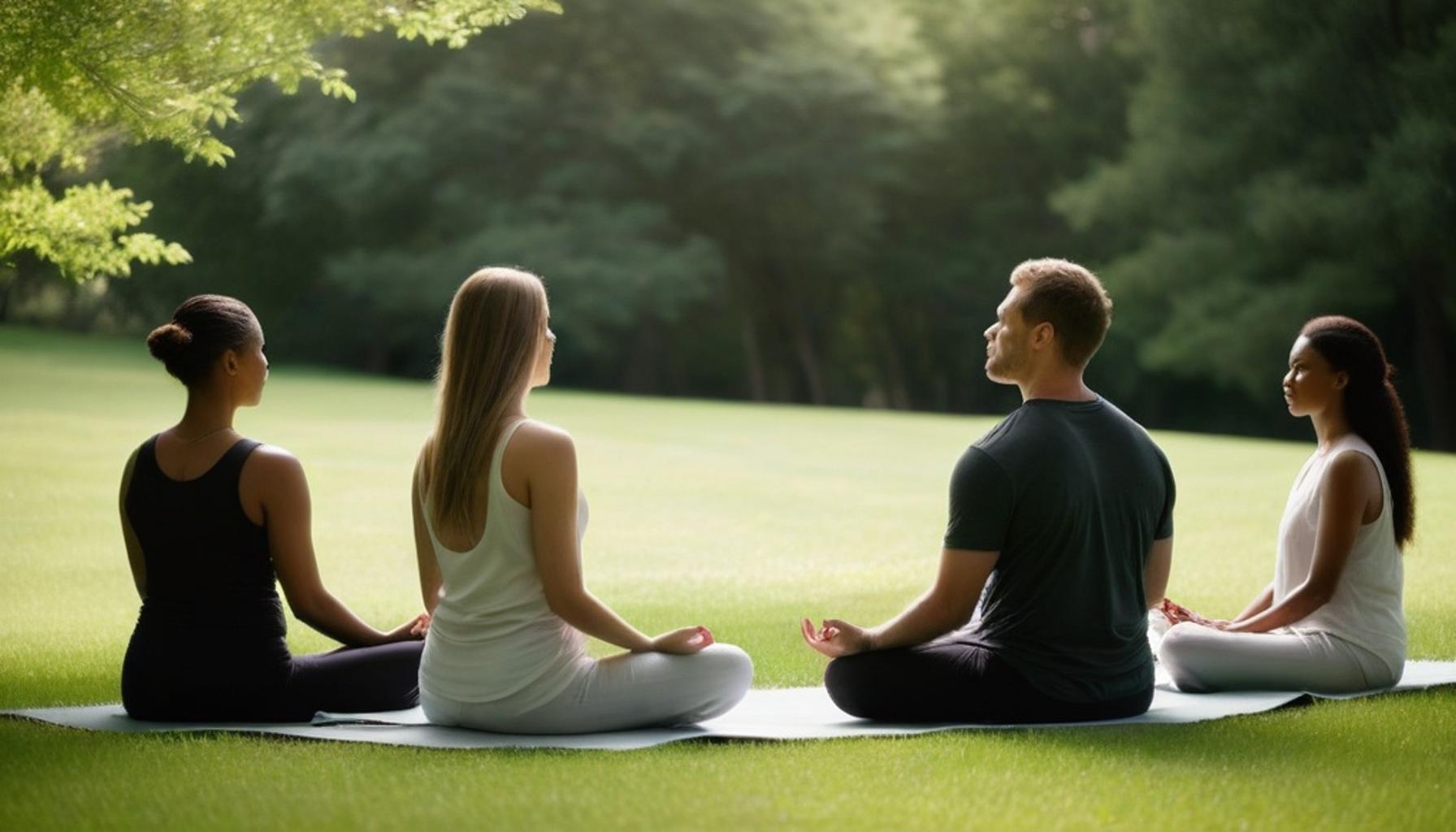
Why Mindfulness Meditation Deserves a Spot in Your Daily Routine
Americans are more stressed than ever. According to the American Psychological Association, 77% of adults report experiencing stress that affects their physical health. Against this backdrop, mindfulness meditation has emerged as one of the most accessible tools for reclaiming calm. From rush-hour traffic in Los Angeles to looming deadlines in Chicago’s financial district, stress has become a near-universal experience—and people are searching for solutions that don’t require a prescription pad.
From Silicon Valley boardrooms to public school classrooms in New York, this ancient practice is being reimagined for modern life. It’s no longer just a wellness trend—it’s backed by neuroscience and clinical research. Companies like Google and Apple have introduced meditation rooms for employees, while school districts in states like Ohio and California have piloted mindfulness programs to help students manage academic pressure and social anxiety.
What Makes This Practice So Powerful?
The growing interest in mindfulness for stress relief isn’t accidental. Studies from institutions like Harvard Medical School reveal measurable changes in brain structure after consistent practice. Researchers have observed increased gray matter density in regions associated with memory, empathy, and self-awareness—findings that suggest meditation isn’t just a feel-good habit but a legitimate tool for cognitive enhancement.
Consider what regular practitioners often experience:
- Reduced symptoms of anxiety and depression
- Improved focus and cognitive flexibility
- Lower cortisol levels linked to chronic stress
- Better emotional regulation during high-pressure situations
- Enhanced sleep quality and duration
Some users report noticeable shifts within just eight weeks of practicing for ten to twenty minutes daily, a timeframe echoed in several clinical trials.
A Shift Toward Preventive Mental Health Care
The importance of meditation extends beyond personal anecdotes. Major health systems, including Kaiser Permanente, now incorporate mindfulness-based programs into treatment plans, often alongside therapy or medication for conditions like generalized anxiety disorder and post-traumatic stress.
Veterans Affairs hospitals across the country have also begun offering mindfulness-based stress reduction courses, recognizing their potential to complement traditional care without the side effects associated with certain medications.
This introduction explores how simple mindfulness techniques can become powerful allies in promoting mental health—and why understanding these mental well-being benefits matters now more than ever.
LEARN MORE: Click here to discover the importance of sleep hygiene
The Science Behind the Calm: How Mindfulness Meditation Rewires the Brain
Skeptics often ask a fair question: can sitting quietly for a few minutes really change anything? According to neuroscientists at Harvard and MIT, the answer is a resounding yes. Functional MRI scans show that mindfulness meditation physically alters brain activity in the amygdala—the region responsible for processing fear and stress responses.
This isn’t speculation. A landmark 2011 study published in Psychiatry Research found that participants who completed an eight-week mindfulness program showed measurable decreases in amygdala gray matter density. Translation: their brains became biologically less reactive to stress triggers, whether that meant a hostile email from a boss or gridlock on the 405 freeway.
Researchers at the University of Wisconsin-Madison have taken this further, tracking practitioners over multiple years to observe long-term structural changes. Their findings suggest that the brain, much like a muscle, responds to repeated mental exercise. The more consistently someone practices mindfulness, the more pronounced the neurological shifts become, particularly in regions tied to emotional regulation and self-awareness. This has led some scientists to describe meditation as a form of mental strength training rather than simple relaxation.
Breaking Down the Mental Well-Being Benefits
The mental well-being benefits of consistent practice go far beyond momentary relaxation. Clinical researchers point to several documented outcomes that make mindfulness distinct from other relaxation techniques like passive entertainment or scrolling social media.
- Decreased activity in the brain’s default mode network, which is linked to rumination and repetitive negative thinking
- Increased connectivity between the prefrontal cortex and emotional processing centers
- Greater resilience when facing unexpected setbacks, from job loss to relationship conflict
- A measurable drop in blood pressure among individuals with hypertension linked to chronic stress
- Improved working memory, which affects everything from decision-making to productivity at work
These aren’t fringe findings. They’ve been replicated across multiple studies, lending credibility to what many practitioners have claimed anecdotally for decades. Interestingly, researchers at Johns Hopkins conducted a meta-analysis of nearly 47 clinical trials and concluded that mindfulness programs produced effect sizes comparable to antidepressant medication for treating mild to moderate anxiety and depression—without the side effects often associated with pharmaceutical intervention.
Why This Matters for Everyday Americans
The importance of meditation becomes clearer when you consider who’s adopting it. It’s not just yoga enthusiasts in Boulder, Colorado, or tech executives in Austin. Firefighters in Phoenix, nurses in Miami hospitals, and long-haul truckers crossing Interstate 80 are turning to mindfulness techniques to manage occupational stress that once seemed unavoidable.
Corporate wellness programs have taken notice, too. According to a 2022 report from the National Business Group on Health, nearly 52% of large U.S. employers now offer some form of mindfulness or meditation training—a sharp increase from just a decade ago. Companies like Aetna and Google have implemented structured programs, citing internal data showing reduced healthcare costs and fewer sick days among employees who participate regularly.
What’s driving this shift isn’t just curiosity. It’s necessity. As mental health conditions like anxiety disorders affect an estimated 40 million American adults annually, according to the Anxiety and Depression Association of America, accessible interventions have become essential rather than optional. Even school districts in states like California and New York have introduced brief mindfulness sessions into classroom routines, hoping to address rising rates of adolescent anxiety before they escalate into more serious conditions requiring clinical intervention.

DISCOVER MORE: Click here for essential sleep hygiene tips
# From Theory to Practice: Real-World Applications of Mindfulness Techniques
Understanding the science is one thing. Putting it into practice is another challenge entirely, and this is where many Americans stumble. The good news is that mindfulness meditation doesn’t require a silent retreat in the mountains of Vermont or hours of free time most people simply don’t have.
Dr. Judson Brewer, a psychiatrist and neuroscientist at Brown University, has spent years studying how brief, structured practices can produce outsized results. His research suggests that even five to ten minutes daily can begin rewiring habitual thought patterns, particularly those tied to anxiety and compulsive behaviors like stress eating or doomscrolling.
Practical Mindfulness Techniques Anyone Can Start Today
For readers wondering where to begin, clinicians typically recommend starting small rather than attempting an hour-long session on day one. The following approaches have gained traction among therapists specializing in mindfulness for stress relief:
- Body scan meditation, which involves mentally checking in with each part of the body to release tension
- Breath-focused awareness, often used by veterans through VA-sponsored programs to manage PTSD symptoms
- Mindful walking, popular among office workers in cities like Chicago and Seattle who use lunch breaks to reset mentally
- The 5-4-3-2-1 grounding technique, frequently taught in school counseling offices to help students manage panic before exams
- Loving-kindness meditation, shown in a Stanford study to increase feelings of social connection and reduce loneliness
None of these require special equipment or subscription apps, though platforms like Headspace and Calm have undoubtedly made structured guidance more accessible. Downloads of meditation apps surged by over 25% during the pandemic years, according to Sensor Tower data, suggesting Americans were actively searching for tools to manage collective uncertainty.
When Mindfulness Meets Clinical Treatment
Perhaps the most compelling evidence for the importance of meditation comes from its integration into formal healthcare settings. Mindfulness-Based Stress Reduction, or MBSR, developed by Jon Kabat-Zinn at the University of Massachusetts Medical School in 1979, is now offered at more than 700 hospitals and clinics nationwide.
Veterans Affairs medical centers have adopted similar protocols for service members struggling with combat-related trauma. A 2021 study tracking veterans across twelve VA facilities found that participants who completed mindfulness-based programs reported a 35% reduction in PTSD symptom severity after just eight weeks.
Oncology departments have followed suit. Memorial Sloan Kettering Cancer Center in New York now offers mindfulness sessions to patients undergoing chemotherapy, with early data indicating reduced treatment-related anxiety and improved sleep quality. This growing clinical adoption signals something significant: promoting mental health through mindfulness is no longer viewed as alternative medicine but as a legitimate complement to conventional treatment protocols across major American health institutions.
The Bottom Line on Mindfulness Meditation
From neuroscience labs at Brown University to VA hospitals treating combat veterans, the evidence keeps pointing in one direction: mindfulness meditation is not a passing wellness trend but a legitimate tool for reshaping how Americans manage stress, anxiety, and emotional overwhelm.
What makes this practice particularly compelling is its accessibility. Whether it’s a Chicago office worker taking a mindful walk during lunch or a cancer patient at Memorial Sloan Kettering using breathwork before chemotherapy, the applications span nearly every corner of daily life. No two practices look identical, yet the underlying mechanism remains consistent: training attention to reduce reactivity.
Why This Matters Now
Mental health challenges continue climbing across the country, and traditional treatment models alone haven’t kept pace with demand. This is precisely why the importance of meditation has moved from yoga studios into hospitals, schools, and corporate wellness programs nationwide.
The data reinforces this shift. With over 700 medical facilities offering MBSR programs and app downloads surging during recent years of collective uncertainty, Americans are clearly seeking practical, low-barrier solutions.
Still, mindfulness isn’t a cure-all. Researchers caution against viewing it as a replacement for therapy or medication in severe cases. Rather, it functions best as a complementary strategy, one that empowers individuals with real-time tools for mindfulness for stress relief between clinical appointments.
For anyone hesitant to start, the message from experts is refreshingly simple: begin small. Five minutes of focused breathing today could be the first step toward measurable mental well-being benefits tomorrow. Given the mounting research, ignoring this practice may be the bigger risk.
Frequently Asked Questions
How does mindfulness meditation improve mental well-being?
Mindfulness meditation trains the brain to focus on the present moment, reducing rumination and negative thought patterns linked to anxiety and depression. Regular practice has been shown to lower cortisol levels and activate brain regions associated with emotional regulation. Over time, this leads to greater resilience, improved mood, and a stronger sense of overall psychological balance.
How long should beginners meditate each day to see mental health benefits?
Beginners can start with just 5 to 10 minutes of mindfulness meditation daily and gradually increase the duration as they become more comfortable. Research suggests that even short, consistent sessions can reduce stress and improve focus within a few weeks. Consistency matters more than duration, so a daily short practice is more beneficial than occasional long sessions.
Can mindfulness meditation help with anxiety and stress specifically?
Yes, mindfulness meditation is widely used as a complementary approach for managing anxiety and stress by helping individuals observe their thoughts without judgment. This practice interrupts the stress response cycle, allowing the nervous system to calm down more quickly. Many therapists incorporate mindfulness-based stress reduction (MBSR) programs specifically for this purpose.
Is mindfulness meditation backed by scientific research for mental health?
Yes, numerous studies published in journals like JAMA Internal Medicine and Psychiatry Research support mindfulness meditation’s effectiveness in reducing symptoms of anxiety, depression, and chronic stress. Brain imaging studies also show structural changes in areas related to memory, empathy, and stress regulation after consistent practice. This growing body of evidence has led many healthcare providers in the U.S. to recommend it as a complementary mental health tool.
What is the difference between mindfulness meditation and other types of meditation?
Mindfulness meditation focuses specifically on nonjudgmental awareness of the present moment, including thoughts, sensations, and surroundings. Other meditation styles, like transcendental or mantra meditation, often involve repeating specific sounds or phrases to reach a deeper state of relaxation. Mindfulness is generally considered more accessible for mental well-being because it can be practiced anywhere, even during daily activities like eating or walking.
Can mindfulness meditation replace therapy or medication for mental health issues?
Mindfulness meditation is not a replacement for professional therapy or prescribed medication, especially for diagnosed mental health conditions. However, it can serve as a valuable complementary practice that enhances the effectiveness of traditional treatments. Anyone experiencing serious mental health symptoms should consult a licensed mental health professional before relying solely on meditation.

Linda Carter
Linda Carter is a writer specializing in healthy habits and balanced living. With extensive experience helping readers build sustainable routines, she shares practical guidance on nutrition, physical activity, quality sleep, stress management, and emotional well-being. Her goal is to offer simple, accessible strategies that inspire people to care for their health and enjoy a more balanced life.