Foods and Drinks That Affect Sleep Quality
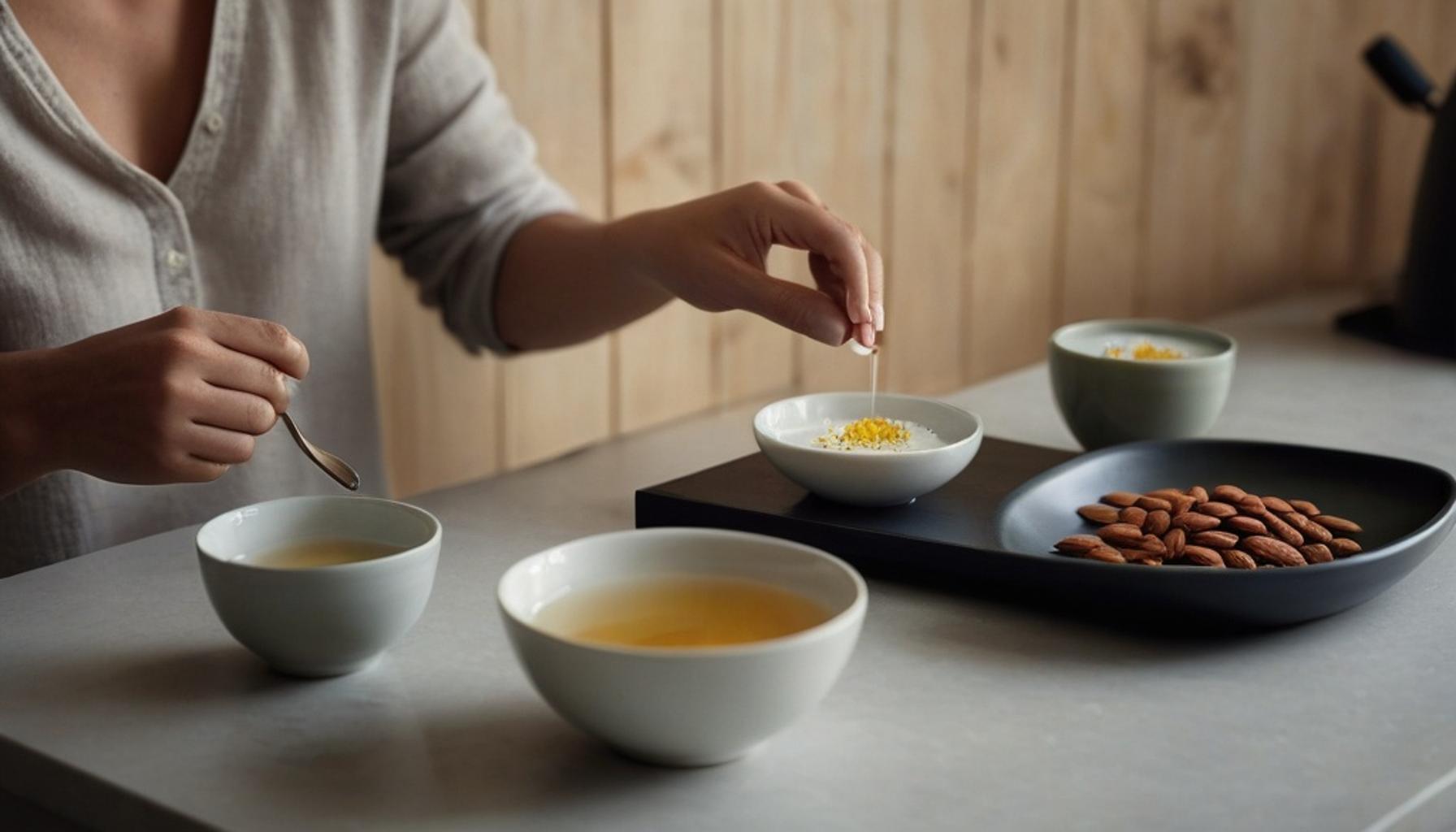
What You Eat Could Be Sabotaging Your Sleep
Ever tossed and turned after a late-night burrito or a second cup of coffee at 3 p.m.? You’re not alone. Millions of Americans unknowingly wreck their rest with everyday foods that affect sleep quality, often without connecting the dots between last night’s dinner and this morning’s exhaustion.
The truth is, your bedtime routine starts hours before your head hits the pillow. Caffeine and sleep quality are so closely linked that a single afternoon latte can delay sleep onset by more than an hour, according to sleep researchers at institutions like the Sleep Foundation. Caffeine has a half-life of roughly five to six hours, meaning that innocent 3 p.m. pick-me-up could still be circulating in your bloodstream well past midnight.
The Usual Suspects Disrupting Your Rest
But it’s not just caffeine. A surprising range of everyday items can either wreck or work wonders for your rest, including:
- Spicy foods that spike body temperature, making it harder for your core to cool down—a natural signal your body needs to fall asleep
- Alcohol that fragments deep sleep cycles, even though it might make you drowsy at first
- Sugary snacks that cause blood sugar crashes at 2 a.m., jolting you awake with a racing heart
- Tryptophan-rich foods that promote drowsiness, thanks to their role in serotonin and melatonin production
- High-fat meals close to bedtime that slow digestion and trigger discomfort or acid reflux
Nutrition experts point out that timing matters just as much as the food itself. A cheeseburger at noon behaves very differently in your system than the same cheeseburger eaten at 9 p.m., right before you attempt to unwind.
Foods and Drinks That Might Actually Help
The good news? Science points to specific sleep enhancing foods and drinks for better sleep that can genuinely improve how fast you fall asleep and how deeply you stay there. Think tart cherry juice, which naturally boosts melatonin levels and has been studied for its effects on insomnia symptoms, or a warm glass of milk backed by decades of grandmother-approved wisdom and modern nutrition science alike.
Almonds, kiwi, and even a small serving of oatmeal have also earned attention from researchers exploring how magnesium and complex carbohydrates influence rest.
This guide breaks down exactly which foods to avoid before bed, which ones to embrace, and how to build the best bedtime snacks into your nightly routine. Ready to finally understand what’s really happening on your plate—and in your glass—before lights out?
CHECK OUT: Creating a Sleep-Friendly Environment: Tips for Better Rest
# Foods and Drinks That Affect Sleep Quality
The Science Behind Your Midnight Restlessness
Your gut and your brain are in constant conversation, and that dialogue never pauses when the lights go out. Researchers now understand that foods that affect sleep quality do so through several biological pathways—hormone production, body temperature regulation, blood sugar stability, and even gut microbiome activity all play a role in whether you sleep like a baby or stare at the ceiling until 4 a.m.
Consider this: the Centers for Disease Control and Prevention reports that roughly one in three American adults doesn’t get enough sleep on a regular basis. While stress and screen time get most of the blame, nutrition scientists argue that diet deserves far more scrutiny than it typically receives at the dinner table.
What’s often overlooked is the timing factor. It’s not just what you eat, but when you eat it, that determines whether your evening meal becomes a lullaby or a disruptor. A heavy, greasy dinner eaten at 9 p.m. forces your digestive system into overdrive right when your body should be winding down, competing for energy resources that would otherwise go toward restorative processes like tissue repair and memory consolidation.
Why Caffeine Lingers Longer Than You Think
Caffeine and sleep quality have a relationship that most people vastly underestimate. That mid-afternoon iced coffee from your local drive-through doesn’t just wake you up temporarily—it blocks adenosine, the chemical responsible for making you feel sleepy, for hours afterward.
A study published in the Journal of Clinical Sleep Medicine found that consuming caffeine even six hours before bedtime reduced total sleep time by more than 40 minutes. That’s a significant chunk of lost rest from something as ordinary as a post-lunch espresso.
Here’s what makes matters worse: caffeine sensitivity varies widely based on genetics, age, and liver function, meaning some people can nap right after a cup of coffee while others feel wired at midnight from a single morning cup that never fully left their system. This genetic variability explains why your coworker can sip a latte at 3 p.m. without issue while you’re counting sheep at 2 a.m. after the exact same drink.
Common Everyday Culprits Hiding in Plain Sight
Beyond the obvious coffee and energy drinks, several everyday items quietly interfere with your nightly rest:
- Chocolate desserts, which contain both caffeine and theobromine, a compound with similar stimulating effects
- Carbonated sodas that trigger bloating and discomfort right as you’re trying to relax
- Processed deli meats high in sodium, which can disrupt fluid balance and cause restless nighttime waking
- Citrus fruits eaten too close to bedtime, which may trigger acid reflux in sensitive individuals
- Aged cheeses containing tyramine, an amino acid linked to increased brain alertness
- Spicy foods that elevate core body temperature, working against the natural cooling process your body needs to fall asleep
- Alcohol, which may induce drowsiness initially but fragments sleep during the second half of the night as it metabolizes
Nutritionists emphasize that occasional indulgence isn’t the real problem—it’s the nightly pattern that gradually erodes sleep architecture, the technical term for how your body cycles through light, deep, and REM sleep stages throughout the night. Miss enough deep sleep cycles over weeks or months, and the consequences ripple outward into mood swings, weakened immune response, and even weight gain, since sleep deprivation directly influences the hunger hormones ghrelin and leptin.
Some registered dietitians now recommend keeping a simple food-and-sleep journal for two to three weeks, jotting down evening meals alongside sleep quality notes each morning. Patterns often emerge surprisingly fast, revealing personal triggers that generic advice could never predict.
Understanding these patterns is the first step toward reclaiming the rest your body desperately needs, and it starts with paying closer attention to what lands on your plate well before bedtime arrives.

RECOMMENDED: Exploring the Connection Between Sleep Quality and Nutrition: Foods for Better Rest
Sleep-Enhancing Foods That Actually Work in Your Favor
While plenty of attention goes toward what to avoid, the flip side deserves equal airtime. Certain sleep enhancing foods contain naturally occurring compounds that support the body’s transition into rest, and the science behind them is more compelling than most people realize.
Tart cherries, for instance, rank among the few natural food sources of melatonin, the hormone responsible for regulating your circadian rhythm. A study published in the European Journal of Nutrition found that participants who drank tart cherry juice twice daily experienced increased sleep time and improved sleep efficiency compared to a placebo group. Kiwifruit has shown similar promise, with one trial reporting that adults who ate two kiwis an hour before bed fell asleep faster and woke up less during the night.
Fatty fish like salmon, mackerel, and sardines bring vitamin D and omega-3 fatty acids to the table, both of which appear to boost serotonin production, the precursor to melatonin. Almonds and walnuts contribute magnesium, a mineral that helps relax muscles and quiet an overactive nervous system after a long day.
Best Bedtime Snacks Backed by Nutrition Research
Choosing the right pre-sleep snack isn’t about eating less; it’s about eating smart. The goal is stabilizing blood sugar without overloading digestion. Some of the best bedtime snacks nutritionists recommend include:
- A small bowl of oatmeal, which contains melatonin along with complex carbohydrates that promote steady insulin levels overnight
- A banana paired with a tablespoon of peanut butter, combining potassium, magnesium, and tryptophan
- Plain Greek yogurt topped with a few walnuts for calcium and healthy fats
- Whole-grain crackers with a slice of turkey, delivering tryptophan without the heaviness of a full meal
- A small handful of pumpkin seeds, rich in both magnesium and zinc
Portion size matters just as much as ingredient choice. Sleep specialists generally suggest keeping bedtime snacks under 200 calories, consumed roughly 45 minutes before lying down, giving the body enough time to begin digestion without triggering discomfort once you’re horizontal.
Drinks for Better Sleep Beyond the Usual Chamomile Suggestion
Chamomile tea gets recommended so often it’s practically become a cliché, but it’s far from the only option among drinks for better sleep. Warm tart cherry juice, valerian root tea, and golden milk—a warmed blend of turmeric, cinnamon, and milk popular in Ayurvedic tradition—each offer distinct calming properties worth exploring.
Magnesium-infused sleepy drink mixes have also surged in popularity across American grocery stores recently, reflecting growing consumer interest in food-based sleep solutions rather than relying solely on over-the-counter supplements.
Hydration timing matters too. Drinking excessive fluids within the hour before bed often leads to disruptive middle-of-the-night bathroom trips, so sleep experts suggest front-loading hydration earlier in the evening instead, tapering off as bedtime approaches.
Bringing It All Together: Your Plate as a Sleep Tool
The connection between what lands on your dinner plate and how well you sleep tonight is stronger than most Americans realize. Throughout this discussion, one truth keeps surfacing: foods that affect sleep quality aren’t limited to obvious culprits like coffee. They range from hidden sugars in late-night snacks to the timing of your last glass of water.
Caffeine remains the heavyweight offender. Given its six-hour half-life, that 3 p.m. latte is still circulating in your bloodstream at bedtime, which is why understanding caffeine and sleep quality matters more than counting cups per day. Pairing that awareness with a list of foods to avoid before bed—spicy dishes, alcohol, heavy fried meals—builds a stronger foundation than any single fix could offer.
On the flip side, small, intentional choices compound over time. Swapping a bag of chips for one of the best bedtime snacks, like a banana with almond butter, or sipping tart cherry juice instead of a nightcap, introduces the body to compounds that actually encourage rest rather than fight against it.
No single food or drink acts as a magic switch for sleep. Instead, think of nutrition as one lever among several, alongside consistent sleep schedules, reduced screen exposure, and a cool, dark bedroom. Combined, these habits create the kind of environment where quality rest becomes less of a nightly gamble and more of a predictable outcome.
The next time hunger strikes at 9 p.m., consider what you’re reaching for—it might be shaping tomorrow’s energy far more than you’d expect.
Frequently Asked Questions
What foods should I avoid eating before bed to improve sleep quality?
Avoid heavy, spicy, or high-fat foods like fried dishes, rich pasta, and hot sauces close to bedtime, as they can cause indigestion and acid reflux that disrupt sleep. Sugary snacks and refined carbs are also problematic since they cause blood sugar spikes and crashes overnight. Try to finish eating at least 2-3 hours before you go to bed for the best results.
How long before bed should I stop drinking caffeine to avoid sleep disruption?
Caffeine has a half-life of about 5-6 hours, so it’s best to stop consuming coffee, tea, energy drinks, or chocolate at least 6-8 hours before bedtime. For most adults planning to sleep by 10 or 11 PM, this means avoiding caffeine after early afternoon. Sensitive individuals may need to cut off caffeine even earlier, sometimes by noon.
Does alcohol help or hurt sleep quality?
While alcohol may make you feel drowsy and help you fall asleep faster, it actually harms overall sleep quality by disrupting REM sleep and causing frequent nighttime awakenings. It can also worsen snoring and sleep apnea symptoms and lead to dehydration, which further fragments sleep. For better rest, it’s recommended to avoid alcohol within 3-4 hours of bedtime.
What are the best foods to eat for better sleep quality?
Foods rich in tryptophan, magnesium, and melatonin—such as almonds, walnuts, kiwi, tart cherries, and turkey—can naturally support better sleep. Complex carbohydrates like whole grain crackers or oatmeal paired with a small protein source can also promote relaxation before bed. A light snack combining these nutrients about an hour before bedtime may help you fall asleep faster and stay asleep longer.
Can drinking too much water at night affect my sleep?
Yes, drinking large amounts of water or other fluids right before bed can lead to frequent nighttime bathroom trips, interrupting your sleep cycle. It’s best to stay well-hydrated throughout the day and reduce fluid intake in the 1-2 hours before bedtime. If you’re thirsty at night, a small sip of water is fine, but avoid large quantities close to sleep time.

Linda Carter
Linda Carter is a writer specializing in healthy habits and balanced living. With extensive experience helping readers build sustainable routines, she shares practical guidance on nutrition, physical activity, quality sleep, stress management, and emotional well-being. Her goal is to offer simple, accessible strategies that inspire people to care for their health and enjoy a more balanced life.