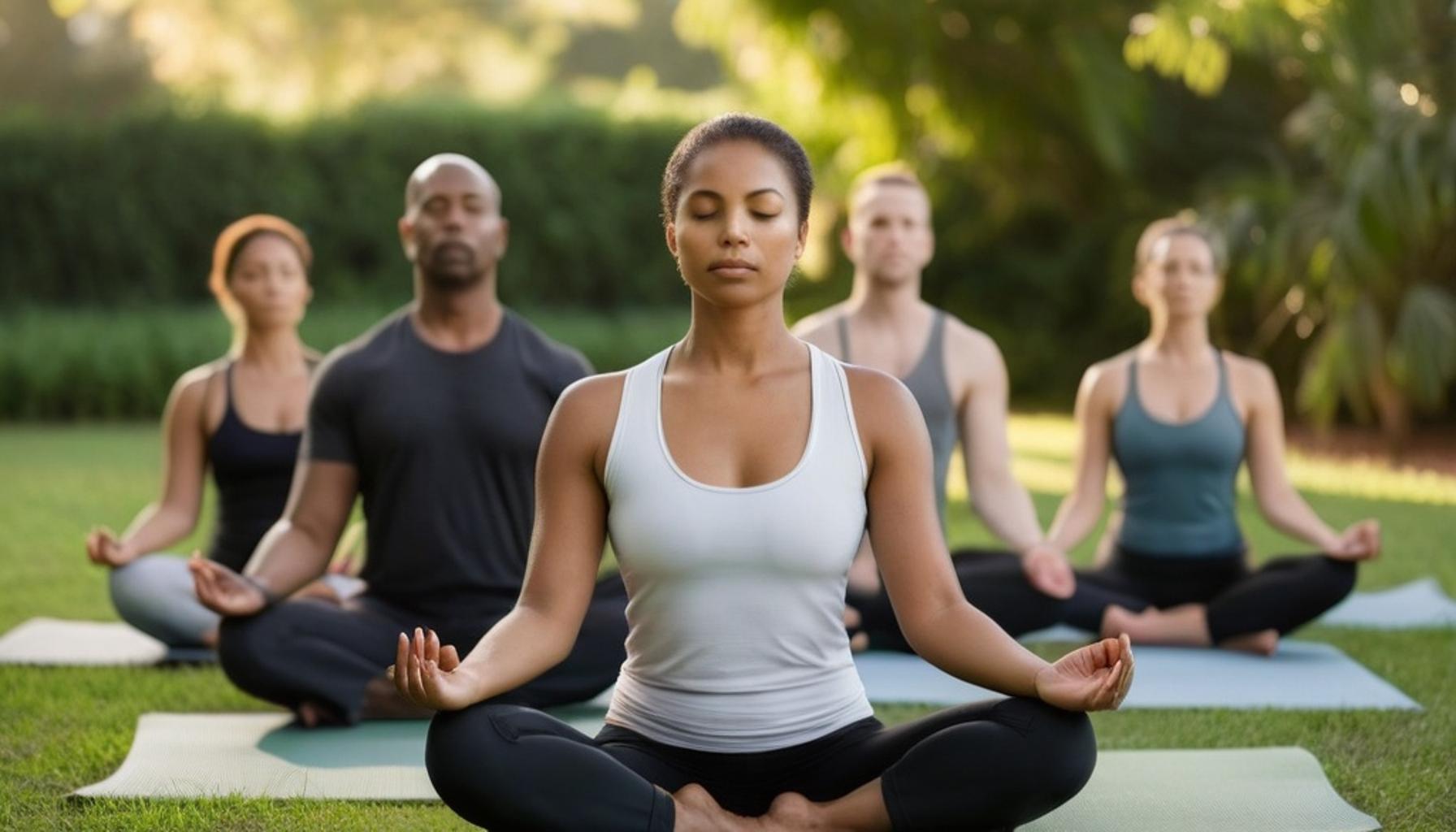
Mindfulness Techniques to Promote Emotional Resilience in Daily Life
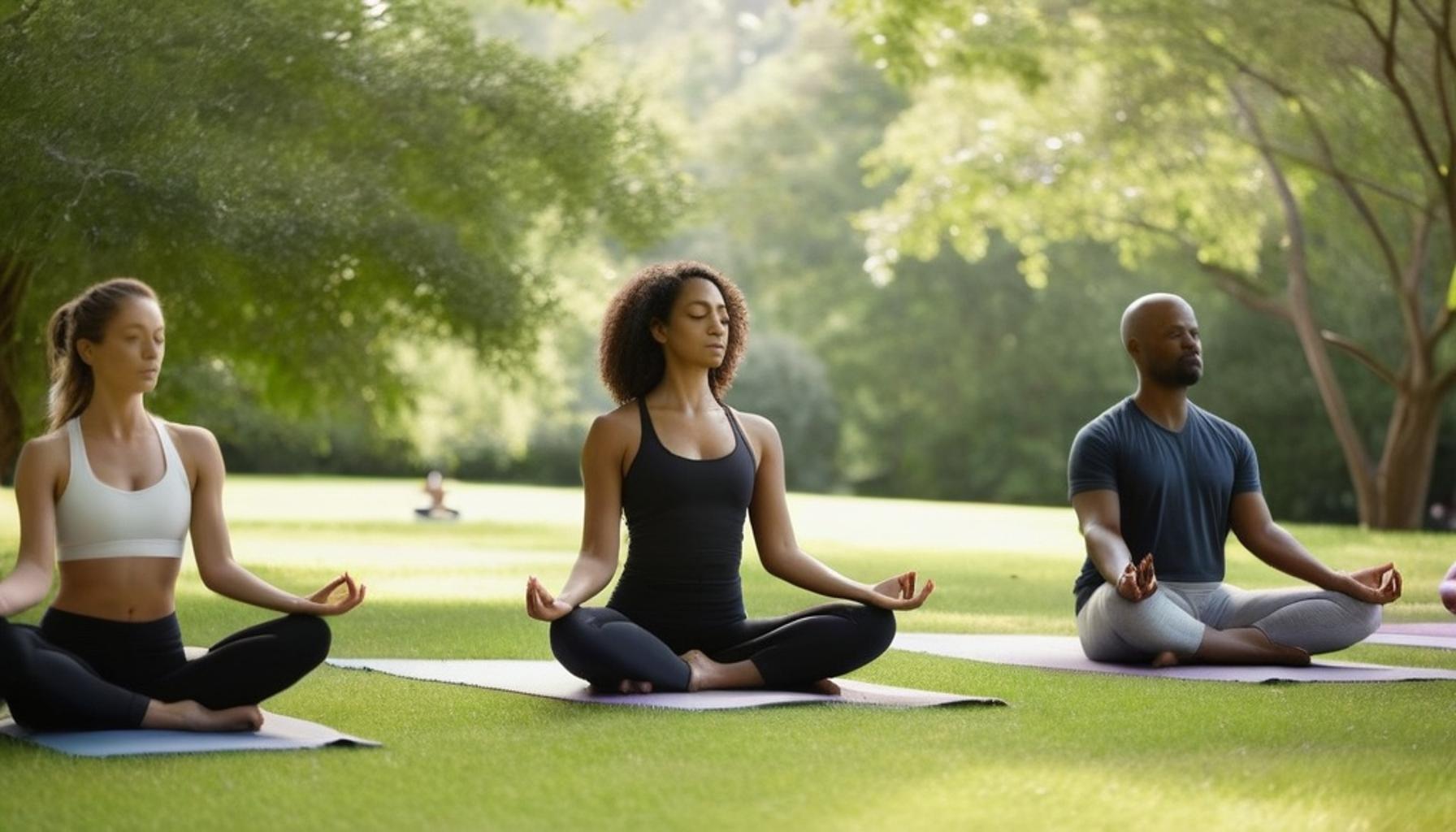
Finding Calm in the Chaos of Everyday Life
Stress levels among American adults have reached record highs, with the American Psychological Association reporting that over 75% of adults experience moderate to severe stress on a regular basis. Between work deadlines, family responsibilities, and constant digital notifications, emotional overwhelm has become the norm rather than the exception. From the crowded subways of Chicago to the sprawling highways of Los Angeles, the pace of American life rarely leaves room for pause.
This is where mindfulness techniques for emotional resilience come into play. Rooted in centuries-old contemplative practices, mindfulness has gained scientific credibility as a practical tool for navigating modern-day pressures. What once seemed like a niche wellness trend has now entered mainstream conversation, appearing in corporate wellness programs, school curriculums, and even military training sessions across the country.
Why Emotional Resilience Matters More Than Ever
Emotional resilience isn’t about avoiding difficult feelings—it’s about bouncing back from setbacks without losing your sense of stability. Research from Harvard Medical School suggests that consistent mindfulness practice can reduce cortisol levels by up to 23%, offering a measurable path toward better emotional regulation. This isn’t just theoretical; hospitals, schools, and Fortune 500 companies are increasingly integrating mindfulness-based programs into their wellness initiatives, citing improved productivity and lower burnout rates among participants.
Daily mindfulness practices offer more than just temporary relief. They build a foundation for:
- Improved stress response during high-pressure situations, such as tight deadlines or unexpected life changes
- Better emotional awareness in personal and professional relationships, helping people communicate more clearly under pressure
- Reduced anxiety symptoms linked to chronic worry, a growing concern reported by the National Institute of Mental Health
- Enhanced focus and decision-making clarity, especially valuable in fast-paced work environments
From busy professionals in New York to parents juggling multiple responsibilities in suburban households, these emotional resilience techniques are proving accessible regardless of lifestyle or schedule. Even five minutes of intentional breathing during a lunch break has been shown to shift emotional states measurably, according to several clinical studies.
What This Article Will Explore
This guide dives into specific mindfulness exercises for stress relief that require minimal time investment. Readers will discover practical strategies for promoting emotional well-being without overhauling their entire routine, including breathing techniques, body-scan practices, and simple journaling prompts designed for real-world application.
Whether you’re new to mindfulness or looking to deepen an existing practice, building resilience through mindfulness starts with understanding which techniques actually work—and why. The following sections will unpack the science, the skepticism, and the surprising simplicity behind one of today’s most talked-about approaches to mental well-being.
CHECK OUT: Stress Management Strategies for a Balanced Life
# Mindfulness Techniques to Promote Emotional Resilience in Daily Life
The Breathing Method That’s Changing How Americans Handle Pressure
Walk into any hospital break room in Boston or a tech office in Seattle these days, and you might spot employees pausing for sixty seconds with their eyes closed. This isn’t a coincidence—it’s the quiet spread of mindfulness techniques for emotional resilience reshaping how people manage stress in real time.
Box breathing, also called four-square breathing, has become one of the most widely adopted tools among first responders, Navy SEALs, and now everyday office workers. The technique is simple: inhale for four counts, hold for four, exhale for four, hold again for four. Repeat for two minutes. Researchers at Stanford University found that this pattern activates the parasympathetic nervous system, effectively slowing heart rate and signaling the brain to exit fight-or-flight mode.
What makes this approach so appealing isn’t just its effectiveness—it’s the accessibility. No app, subscription, or quiet room required.
Body-Scan Practices: Tuning Into Physical Tension Before It Escalates
Beyond breathwork, another cornerstone among daily mindfulness practices is the body scan. This technique invites individuals to mentally travel through each part of their body, noticing tightness, discomfort, or subtle stress signals often ignored during a hectic day.
A 2022 study published in the Journal of Behavioral Medicine found that participants who practiced a ten-minute body scan daily for four weeks reported a 31% decrease in perceived stress levels compared to a control group. For someone commuting through traffic in Atlanta or managing back-to-back Zoom calls from a home office in Denver, this practice offers a rare moment of physical check-in.
The steps are straightforward enough to practice almost anywhere:
- Start at the feet and slowly move attention upward through legs, torso, arms, and head
- Notice sensations without judgment—tightness, warmth, or numbness all count
- Breathe into tense areas, imagining tension releasing with each exhale
- Complete the scan in under ten minutes, making it feasible during a lunch break or before bed
This kind of intentional awareness forms the backbone of many emotional resilience techniques now taught in corporate wellness seminars nationwide, particularly at companies looking to reduce burnout-related turnover.
Why Consistency Beats Intensity
Perhaps the most surprising finding among researchers studying mindfulness exercises for stress relief is that brief, consistent practice outperforms sporadic, lengthy sessions. A UCLA-led study tracking over 200 participants concluded that those who meditated for just seven minutes daily showed greater improvements in emotional regulation than those who practiced for thirty minutes once a week.
This finding matters significantly for promoting emotional well-being among people who assume they simply don’t have time. The data suggests otherwise—showing that small, repeated moments of awareness create lasting neurological change over time.
LEARN MORE: The importance of gratitude in promoting mental health
# Mindfulness Techniques to Promote Emotional Resilience in Daily Life
Journaling and Labeling Emotions: The Overlooked Tools Gaining Ground
While breathwork and body scans dominate the conversation, a quieter practice has been gaining traction among therapists across the country: affective labeling. This technique involves simply naming an emotion as it arises—”this is frustration,” “this is anxiety”—rather than letting it spiral unchecked.
UCLA neuroscientist Matthew Lieberman’s research demonstrated that labeling emotions reduces activity in the amygdala, the brain’s alarm system, while increasing activity in the prefrontal cortex responsible for rational thought. In practical terms, someone stuck in gridlock on a Los Angeles freeway who mentally notes “I’m feeling impatient” is more likely to calm down faster than someone who suppresses or ignores that irritation entirely.
This small linguistic shift represents one of the more accessible emotional resilience techniques because it requires no special setting, equipment, or extended time commitment—just a willingness to pause and observe.
The Five-Minute Journal Habit Therapists Keep Recommending
Journaling has resurfaced as a favorite among clinicians promoting daily mindfulness practices, particularly a stripped-down version requiring only five minutes each morning or evening. Unlike traditional diary writing, this method focuses narrowly on three prompts: one moment of gratitude, one emotional trigger from the day, and one physical sensation noticed during a stressful moment.
A 2021 study from the University of Pennsylvania tracked participants who journaled this way for three weeks. Results showed a 19% improvement in self-reported emotional regulation scores, alongside measurable decreases in rumination—the tendency to replay negative thoughts repeatedly.
For residents juggling demanding schedules in cities like Chicago or Houston, this brevity matters. The habit fits into a coffee break or a few minutes before bed, making it realistic rather than aspirational.
Mindful Walking: Movement as a Gateway to Awareness
Not every mindfulness practice requires stillness. Mindful walking—paying deliberate attention to footsteps, breath, and surroundings during movement—has become popular among people who find seated meditation uncomfortable or unrealistic.
Consider these practical entry points for incorporating movement-based awareness:
- Notice foot placement with each step, feeling the transfer of weight from heel to toe
- Sync breath with pace, inhaling for three steps and exhaling for three
- Observe surroundings using one sense at a time—sound, then sight, then smell
- Avoid multitasking by leaving phones in pockets during the walk itself
Research from Harvard Medical School suggests that combining physical activity with present-moment awareness amplifies the stress-reducing benefits of both practices individually. This makes mindful walking a strong candidate among mindfulness exercises for stress relief, especially for those resistant to traditional meditation formats.
Collectively, these approaches illustrate that building resilience through mindfulness doesn’t rely on a single method. Instead, it emerges from layering small, varied practices—labeling emotions, brief journaling, mindful movement—into moments already present throughout an ordinary day.
Bringing It All Together: A Practical Path Forward
What emerges from this research is not a single formula but a flexible toolkit. Mindfulness techniques for emotional resilience work best when treated as habits rather than emergency fixes reserved for crisis moments.
Labeling emotions, brief journaling, and mindful walking each address a different layer of stress response. One targets brain chemistry, another interrupts rumination, and the third grounds awareness in physical sensation. Used together, they create redundancy—if one practice feels difficult on a given day, another remains accessible.
Data from institutions like UCLA, the University of Pennsylvania, and Harvard Medical School reinforces a consistent theme: small, consistent actions outperform sporadic, intensive efforts. A five-minute journal entry or a single labeled emotion may seem insignificant, but repeated daily, these micro-practices compound into measurable shifts in promoting emotional well-being.
For readers scattered across different time zones and lifestyles—from commuters in Atlanta to remote workers in Seattle—accessibility matters more than perfection. None of these emotional resilience techniques demand silence, special apps, or hours of free time.
What they require instead is attention, repeated in small doses throughout an otherwise ordinary day.
Looking ahead, researchers continue investigating how daily mindfulness practices interact with sleep quality, workplace performance, and long-term mental health outcomes. Early findings suggest the benefits extend well beyond momentary calm, touching areas like decision-making and interpersonal communication.
Those curious about mindfulness exercises for stress relief might start with just one technique this week—perhaps labeling a single emotion during a stressful commute—before layering in others.
Building resilience through mindfulness is less about achieving a permanent state of calm and more about developing a reliable response system for whatever the day brings.
Frequently Asked Questions
What are the most effective mindfulness techniques for building emotional resilience?
Practices like focused breathing, body scans, mindful journaling, and the STOP technique (Stop, Take a breath, Observe, Proceed) are particularly effective for emotional resilience. These techniques help you notice difficult emotions without being overwhelmed by them, creating space to respond thoughtfully instead of reacting impulsively. Consistency matters more than duration, so even five minutes daily can build lasting resilience over time.
How long does it take to see results from mindfulness practice for emotional resilience?
Many people notice small shifts in stress reactivity within two to three weeks of daily practice, while deeper changes in emotional regulation typically develop over eight to twelve weeks. Research on mindfulness-based stress reduction programs often uses an eight-week structure because that timeframe allows the brain’s stress-response patterns to genuinely shift. Sticking with short, regular sessions produces better results than occasional long ones.
Can mindfulness techniques help during a sudden emotional trigger like anger or panic?
Yes, quick techniques such as the 5-4-3-2-1 grounding exercise or three deep diaphragmatic breaths can interrupt the body’s fight-or-flight response within seconds. These tools work by activating the parasympathetic nervous system, which counteracts the physical symptoms of intense emotion. Practicing these in calm moments makes them easier to access automatically when a real trigger occurs.
Do I need to meditate for a long time each day to build emotional resilience?
No, research shows that brief, consistent mindfulness sessions of five to ten minutes can meaningfully improve emotional regulation over time. What matters most is regular practice woven into daily routines, such as mindful breathing during a commute or a short body scan before bed. Longer sessions can deepen benefits, but short daily habits are a realistic and effective starting point.
How is mindfulness different from other stress-relief methods for emotional resilience?
Unlike distraction-based coping methods, mindfulness teaches you to observe and accept emotions rather than avoid or suppress them, which builds long-term resilience rather than temporary relief. This acceptance-based approach helps rewire automatic stress reactions in the brain over time, according to studies on mindfulness-based interventions. As a result, mindfulness tends to produce more durable emotional stability than quick-fix techniques alone.
What is the easiest mindfulness technique for beginners trying to build emotional resilience?
Mindful breathing is generally the easiest entry point because it requires no special equipment and can be done anywhere in just a minute or two. Simply focusing attention on the sensation of each inhale and exhale helps anchor the mind and reduce emotional reactivity. Beginners can start with this technique before gradually adding practices like body scans or gratitude journaling as they build consistency.

Linda Carter
Linda Carter is a writer specializing in healthy habits and balanced living. With extensive experience helping readers build sustainable routines, she shares practical guidance on nutrition, physical activity, quality sleep, stress management, and emotional well-being. Her goal is to offer simple, accessible strategies that inspire people to care for their health and enjoy a more balanced life.