The importance of meditation in mental health and emotional balance
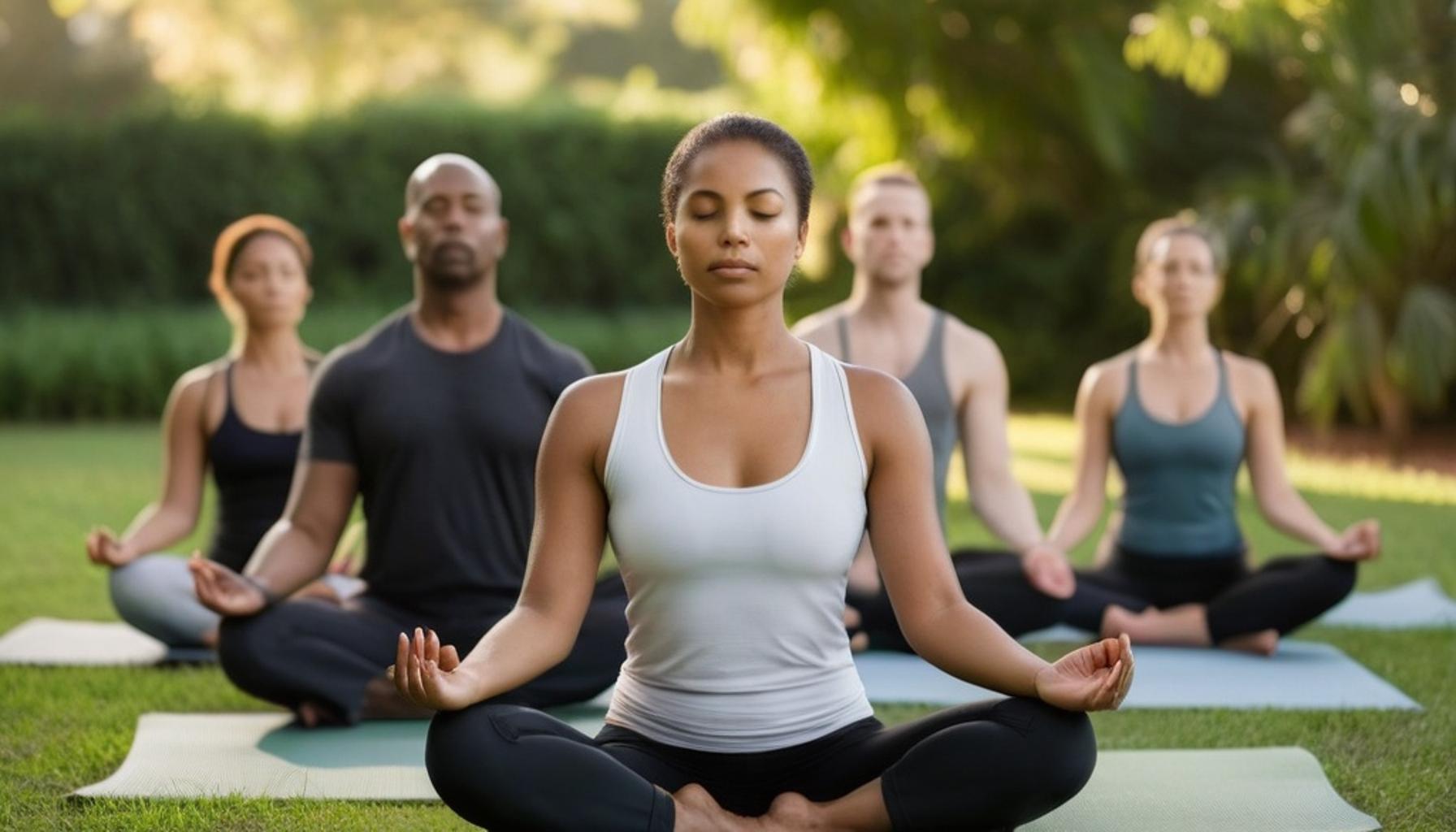
Why Millions of Americans Are Turning to the Cushion
Stress levels in the United States remain stubbornly high, with the American Psychological Association reporting that more than 70% of adults feel overwhelmed by anxiety on a regular basis. As therapy waitlists grow longer and burnout becomes a workplace epidemic, people are searching for accessible tools that actually work. From New York boardrooms to suburban living rooms in Ohio, the search for relief has led an unexpected number of people to sit down, close their eyes, and simply breathe.
Enter meditation and mental health, a pairing backed by decades of clinical research. What was once dismissed as a niche spiritual practice is now recommended by psychiatrists, neurologists, and wellness apps alike. Major health systems, including Kaiser Permanente and the Mayo Clinic, have integrated mindfulness-based programs into their patient care, signaling a shift from alternative therapy to mainstream medicine.
What the Data Reveals
Studies from institutions like Harvard Medical School have linked consistent practice to measurable changes in brain structure. Researchers using MRI scans have observed thickening in the prefrontal cortex, the region responsible for decision-making and self-awareness, after just eight weeks of regular sessions. The benefits of meditation extend far beyond relaxation:
- Reduced activity in the amygdala, the brain’s fear center
- Lower cortisol levels, the primary stress hormone
- Improved emotional regulation and impulse control
- Better sleep quality and reduced insomnia symptoms
- Enhanced focus and working memory, according to a study published in Psychological Science
These findings explain why meditation for emotional balance has become a talking point in clinical settings, not just yoga studios. Even the Department of Veterans Affairs has adopted mindfulness training to help veterans manage post-traumatic stress, a sign of how far the practice has traveled from its origins.
A Practice Anyone Can Start
Understanding how meditation helps mental health doesn’t require years of monastic training. Just 10 minutes a day of focused breathing can shift the nervous system out of fight-or-flight mode, according to research from Johns Hopkins University. Apps like Headspace and Calm have capitalized on this simplicity, reporting tens of millions of downloads across the country.
This article explores the science, the mindfulness meditation benefits supported by research, and practical meditation techniques for stress relief that fit into a busy American lifestyle. From office breaks in Chicago high-rises to bedtime routines in small-town Texas, the applications are more accessible than most people realize. Whether practiced during a lunch break or before a stressful commute, the underlying science suggests that a few quiet minutes can create a ripple effect on overall well-being that extends well into the evening.
LEARN MORE: The Role of Physical Exercise in Mental Health and Anxiety Reduction
The Anatomy of Anxiety: How Meditation Rewires the Stressed Brain
To understand why meditation and mental health have become so closely linked in clinical conversations, it helps to look at what chronic stress actually does to the body. When the brain perceives a threat, real or imagined, it triggers a cascade of cortisol and adrenaline designed for short bursts of survival. The problem is that modern stressors, an overflowing inbox, a mortgage payment, a toxic commute on the 405 freeway, rarely resolve quickly. The body stays flooded with stress hormones long after the “threat” has passed.
This is where the science gets compelling. Researchers at UCLA’s Mindful Awareness Research Center found that participants who practiced mindfulness meditation for just 15 minutes daily showed a measurable decrease in inflammatory markers linked to chronic stress. The practice essentially interrupts the feedback loop that keeps the nervous system on high alert, offering a biological explanation for why so many therapists now prescribe it alongside traditional talk therapy.
The UCLA findings did not stop at inflammation. Follow-up analysis revealed that participants also reported better sleep quality and fewer instances of what researchers call “anticipatory anxiety,” the tendency to dread future events before they even happen. This detail matters because anticipatory anxiety is often the hidden engine behind everyday exhaustion. Many Americans describe feeling tired not from physical exertion but from mentally rehearsing worst-case scenarios all day, a pattern meditation appears to directly disrupt.
Emotional Regulation Starts in the Brain, Not the Willpower
One of the most persistent myths about mental resilience is that it comes down to discipline or grit. Neuroscience tells a different story. Meditation for emotional balance works because it physically alters how the brain processes emotional triggers, not because practitioners simply “try harder” to stay calm.
A widely cited study from the University of Wisconsin-Madison, led by neuroscientist Richard Davidson, tracked longtime meditators and found their brains displayed significantly more activity in regions associated with positive emotion and resilience compared to non-meditators. The implication is striking: the mind can be trained toward stability in much the same way muscles respond to exercise. Davidson’s team went further, comparing brain scans of monks with decades of practice to those of first-time meditators, and the contrast was substantial enough to suggest that consistency, not intensity, drives the transformation.
This training shows up in everyday life in tangible ways, including:
- Fewer emotional outbursts during high-pressure work situations
- Quicker recovery time after receiving stressful news
- Greater ability to pause before reacting to conflict at home or in relationships
- Reduced rumination, the repetitive negative thinking linked to depression
- Improved self-compassion scores, according to research published in Clinical Psychology Review
- Better impulse control during moments of financial or social pressure
For anyone still wondering exactly how meditation helps mental health, the answer lies in this combination of biological change and behavioral practice. It is not a placebo effect or wishful thinking. Functional MRI scans consistently show reduced gray matter density in the amygdala after sustained practice, a finding replicated across multiple independent studies. Since the amygdala functions as the brain’s alarm system, this structural shift may explain why longtime practitioners often describe feeling less reactive without losing their emotional depth.
What makes this particularly relevant for American readers is the pace of daily life driving so much of the anxiety in the first place. Long work hours, financial pressure, and constant digital notifications create a near-permanent state of low-grade alert. Against that backdrop, a scientifically validated tool that requires no prescription, no appointment, and no cost is difficult to ignore.
Even skeptics within the medical community, who once dismissed meditation as a wellness trend, are increasingly citing peer-reviewed data rather than anecdote. Hospitals from Boston to San Diego now offer mindfulness-based stress reduction programs as a standard complement to psychiatric care, a shift that would have seemed unlikely just two decades ago. Whether this signals a permanent change in how the country approaches mental health treatment remains an open question, but the research trail is growing too substantial to overlook.
LEARN MORE: Mindfulness Techniques to Promote Emotional Resilience in Daily Life
# The Anatomy of Anxiety: How Meditation Rewires the Stressed Brain
From Silicon Valley Boardrooms to VA Hospitals: Where Meditation Is Actually Working
Skepticism about meditation often fades quickly once people see where it has already been adopted. This is not confined to yoga studios in Boulder or wellness retreats in Sedona. Google, General Mills, and Aetna have all built formal mindfulness programs into their corporate wellness structures, and the results were significant enough to publish. Aetna reported that employees who participated in its mindfulness initiative gained an average of 62 minutes of productivity per week, along with a measurable drop in self-reported stress levels. General Mills went a step further, embedding a seven-week mindful leadership course directly into its executive training pipeline, with roughly 80 percent of senior leaders who took the course reporting a positive shift in their ability to make decisions under pressure.
Perhaps more striking is the presence of meditation within the U.S. Department of Veterans Affairs. Facing a veteran population with high rates of post-traumatic stress disorder, the VA has incorporated mindfulness-based interventions into treatment plans at numerous facilities nationwide, from Los Angeles to rural clinics in the Midwest. This matters because PTSD represents one of the most severe tests of any mental health intervention, and the fact that meditation techniques for stress relief have earned a place alongside established therapies signals a shift in how seriously the practice is now regarded within federal healthcare. Some VA hospitals have even paired mindfulness sessions with exposure therapy, reporting that veterans who practiced breathing-based grounding techniques before sessions tolerated the process with noticeably less distress.
What the Research Actually Measures
Discussions about the benefits of meditation can sometimes drift into vague territory, so it helps to look at what clinical studies specifically track. Researchers do not simply ask participants if they “feel better.” They measure cortisol levels in saliva, heart rate variability, and activity in the prefrontal cortex, the brain region responsible for decision-making and emotional control. Neuroscientists at Harvard, including researcher Sara Lazar, have used MRI scans to show that consistent meditation practice is associated with measurable thickening in the prefrontal cortex and a reduction in gray matter density within the amygdala, the almond-shaped structure that governs the body’s fear response.
A study published in the journal JAMA Internal Medicine reviewed nearly 19,000 meditation studies and found consistent, moderate evidence that mindfulness meditation reduces symptoms of anxiety, depression, and pain. The researchers were careful to note that meditation is not a cure-all, but the data held up across diverse populations and settings, from college students to cancer patients undergoing chemotherapy at facilities like Massachusetts General Hospital.
Other measurable outcomes reported across various clinical trials include:
- Lower blood pressure readings after eight weeks of consistent practice
- Reduced frequency of migraine episodes among chronic sufferers
- Improved working memory during high-stakes cognitive tasks
- Shorter recovery time from social rejection or criticism
- Decreased reliance on anti-anxiety medication in some outpatient programs
- Faster return to baseline heart rate following stressful confrontations
These findings help explain why mindfulness meditation benefits are no longer treated as a fringe topic in psychiatric journals. The evidence base has simply grown too consistent to dismiss, and academic centers such as UCLA’s Mindful Awareness Research Center continue to produce peer-reviewed data reinforcing these trends year after year.
None of this suggests meditation should replace medication or therapy for those who need it. Clinicians are generally clear that it works best as a complement, not a substitute. But for the millions of Americans dealing with mild to moderate stress, the accessibility of the practice, requiring nothing more than a quiet corner and a few uninterrupted minutes, makes it one of the few interventions with almost no barrier to entry. Apps like Headspace and Calm have capitalized on this accessibility, and several major insurers now offer subscriptions as part of employee benefits packages. That alone may explain why so many primary care physicians now mention it before reaching for a prescription pad, and why researchers continue investigating exactly how a few quiet minutes each day can leave such a lasting imprint on the brain.
The Bigger Picture: Why This Practice Deserves a Permanent Seat at the Table
Taken together, the evidence points to a straightforward conclusion: meditation and mental health are no longer separate conversations happening in different rooms. From Google’s campus in Mountain View to VA hospitals treating combat veterans, the same basic practice keeps producing measurable, repeatable results. That kind of consistency is rare in the wellness world, and it is precisely why researchers, employers, and clinicians have stopped treating it as a novelty.
Understanding how meditation helps mental health requires looking past the anecdotes and toward the biology. Thicker prefrontal cortices, calmer amygdalae, lower cortisol, steadier heart rates. These are not abstract wellness buzzwords; they are measurable shifts inside the body’s stress-response machinery, verified by institutions like Harvard and UCLA.
What makes this especially relevant for Americans right now is the sheer accessibility of the tools involved. There is no expensive equipment, no specialized clinic visit, no waiting list required to start practicing meditation for emotional balance. A phone, an app, and ten quiet minutes are often enough to begin.
Still, the smartest approach treats meditation as one tool among several, not a standalone fix. Pairing it with therapy, medication when necessary, and basic lifestyle changes tends to produce the strongest outcomes, according to most clinicians who work directly with anxiety and PTSD patients.
The larger takeaway may be this: as stress-related conditions continue climbing across the U.S. workforce and veteran population alike, simple, low-cost interventions deserve serious attention rather than skepticism. Given how much data now supports the benefits of meditation, the more relevant question is no longer whether it works, but how soon more institutions will fully integrate it into standard mental health care.
Frequently Asked Questions
How does meditation actually improve mental health?
Meditation lowers activity in the brain’s amygdala, the region responsible for triggering stress and fear responses, which reduces overall anxiety levels. Regular practice also increases gray matter in areas linked to emotional regulation and self-awareness. Over time, this helps people respond to difficult emotions with more calm and clarity instead of reacting impulsively.
How many minutes of meditation per day are needed to see benefits for emotional balance?
Studies suggest that just 10 to 15 minutes of daily meditation can produce noticeable improvements in mood and stress levels within a few weeks. Consistency matters more than duration, so a short daily session is more effective than occasional long ones. Beginners can start with 5 minutes and gradually increase as the habit becomes easier to maintain.
Can meditation help with anxiety and depression as much as therapy or medication?
Meditation is not a replacement for therapy or medication, but research shows it can be a powerful complementary tool for managing symptoms of anxiety and depression. Mindfulness-based practices have been shown in clinical studies to reduce relapse rates in depression almost as effectively as antidepressants for some individuals. It works best when combined with professional treatment rather than used as a sole solution for serious conditions.
What type of meditation is best for emotional regulation?
Mindfulness meditation and loving-kindness meditation are two of the most researched practices for improving emotional regulation. Mindfulness helps you observe emotions without judgment, while loving-kindness meditation cultivates compassion toward yourself and others, reducing negative self-talk. Trying both can help you determine which style resonates more with your personal emotional needs.
Is it normal to feel more emotional or uncomfortable when starting meditation?
Yes, it’s common for suppressed emotions to surface when you slow down and pay attention to your inner experience during meditation. This is often a sign that the practice is working, as it allows buried feelings to be processed rather than avoided. If discomfort becomes overwhelming, it helps to start with shorter sessions or guided meditations and consult a mental health professional if needed.

Linda Carter
Linda Carter is a writer specializing in healthy habits and balanced living. With extensive experience helping readers build sustainable routines, she shares practical guidance on nutrition, physical activity, quality sleep, stress management, and emotional well-being. Her goal is to offer simple, accessible strategies that inspire people to care for their health and enjoy a more balanced life.