Creating a Sleep-Friendly Environment: Tips for Better Rest
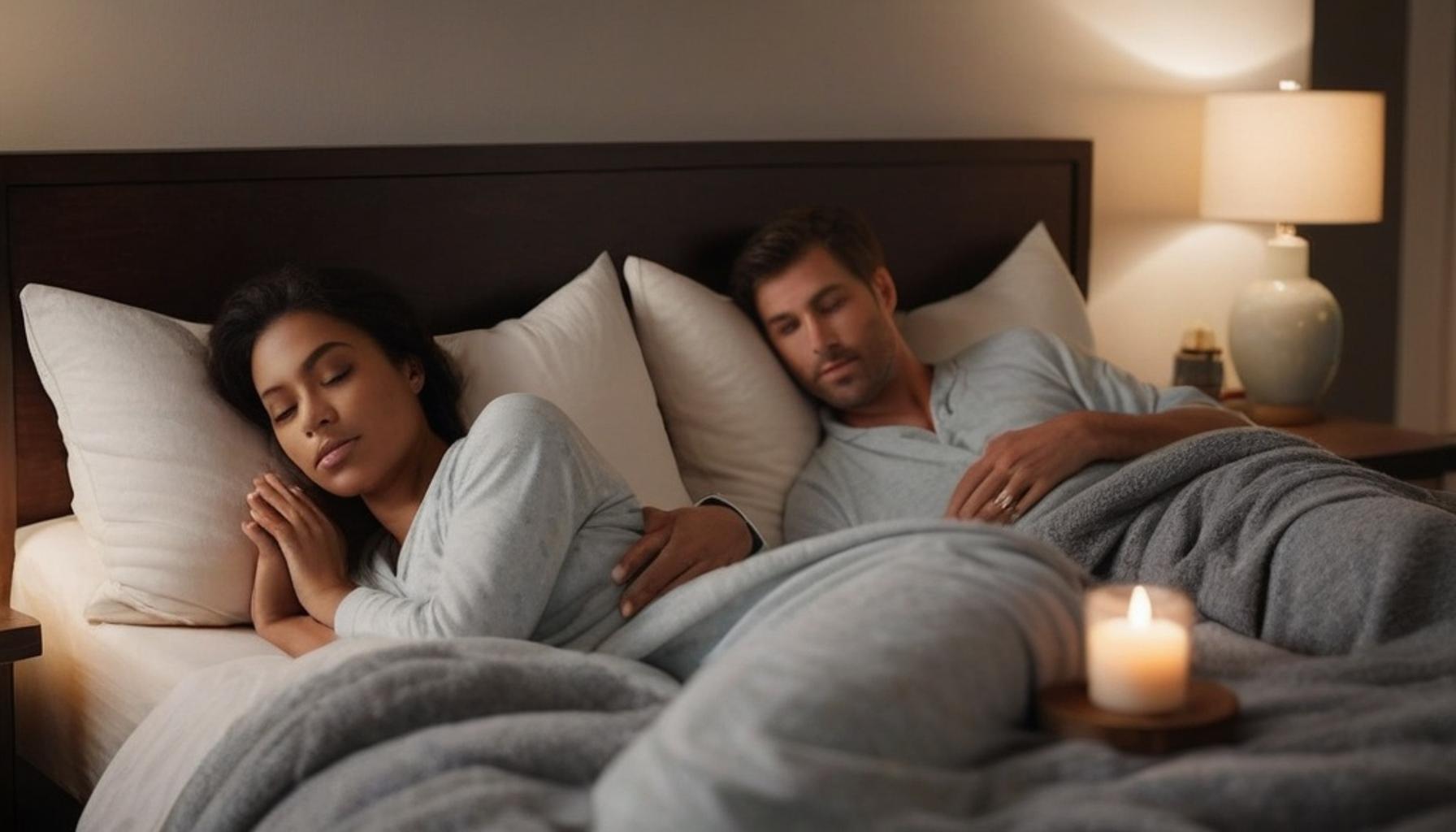
Nearly 1 in 3 American adults fail to get the recommended seven hours of sleep each night, according to the CDC. Stress, screens, and city noise all play a role, but there’s a factor many overlook entirely: the bedroom itself.
A sleep-friendly environment can be the difference between tossing and turning until 2 a.m. and drifting off within minutes. Small adjustments to light, temperature, and sound can trigger measurable changes in how quickly you fall asleep and how deeply you stay there. Researchers at institutions like the National Sleep Foundation have spent decades studying how physical surroundings influence circadian rhythms, and the findings consistently point back to the same conclusion: your room is either working for you or against you every single night.
Why Your Bedroom Setup Matters More Than You Think
Sleep scientists point to a handful of environmental triggers that either support or sabotage rest. Understanding these tips for better sleep is the first step toward real change. Many Americans invest in mattresses and pillows but ignore the broader ecosystem of their sleeping space, from the hum of a refrigerator down the hall to the streetlight leaking through curtains.
- Temperature: Bedrooms kept between 60-67°F tend to support deeper sleep cycles.
- Light exposure: Even small amounts of blue light can delay melatonin production by up to 90 minutes.
- Noise levels: Sudden sounds above 45 decibels can pull you out of deep sleep without fully waking you.
- Air quality: Poor ventilation has been linked to fragmented, restless sleep patterns.
These factors compound over time. A bedroom that’s slightly too warm, paired with a phone charging on the nightstand and a partner’s snoring, creates a perfect storm for chronic sleep debt, something millions of people quietly live with for years without realizing the cause.
What This Guide Will Cover
This article breaks down exactly how to create a sleep-friendly bedroom, room by room and habit by habit. You’ll walk away with a practical sleep environment checklist and clear strategies to improve sleep quality starting tonight, whether you live in a cramped New York apartment or a suburban home with central air.
Curious how to sleep better without relying on medication or expensive gadgets? The answers may be simpler than you expect, and they start with rethinking the four walls you sleep within.
CHECK OUT: The importance of sleep hygiene: practices to improve the quality of your rest
# Mastering the Dark: Light Control for Deeper RestWalk into most American bedrooms at night and you’ll find a glowing constellation of tiny lights: a phone charger, a cable box, a smoke detector’s steady blink. Each one seems harmless. Together, they quietly erode sleep quality.Light is the single most powerful cue your brain uses to regulate its internal clock. When darkness falls, the brain’s suprachiasmatic nucleus signals the pineal gland to release melatonin, the hormone that ushers you into sleep. Introduce even a sliver of artificial light, and that process stalls. Researchers describe this as one of the most underestimated disruptors of modern sleep, precisely because it hides in plain sight, blending into daily routines that seem too ordinary to question.
The Blue Light Problem
Not all light affects the body equally. Blue wavelengths, emitted by smartphones, tablets, and LED bulbs, are especially disruptive because they mimic daylight. A 2019 Harvard study found that exposure to blue light in the evening can suppress melatonin production for nearly twice as long as exposure to warmer, amber-toned light.
This matters because so many Americans scroll through social media or watch television in bed. The habit feels relaxing, but physiologically, it tells the brain to stay alert. Some sleep specialists compare the effect to drinking a small cup of coffee right before lying down, since the brain interprets blue light as a signal that daytime activity should continue.
To create a sleep-friendly bedroom, consider these light-management strategies:
- Blackout curtains: Especially useful in cities like Chicago or Los Angeles, where streetlights and neon signs never fully dim.
- Amber or red night-lights: These wavelengths have minimal impact on melatonin compared to white or blue LEDs.
- Device curfews: Powering down screens 60 minutes before bed gives melatonin levels time to rise naturally.
- Covering standby lights: A small piece of electrical tape over a router or TV light can make a noticeable difference.
Why Darkness Deserves More Attention
Sleep researchers increasingly argue that lighting deserves the same attention people give to mattresses and pillows. The National Sleep Foundation notes that even light levels as low as 5 lux, roughly equivalent to a nightlight, can interfere with the deeper stages of sleep in sensitive individuals. Over time, this kind of low-grade disruption can chip away at REM cycles, leaving people feeling groggy despite logging what looks like a full night’s rest.
This is one of the simplest tips for better sleep because it requires no financial investment, just intention. Swapping harsh overhead lighting for dimmable lamps in the hour before bed, for instance, signals to the body that rest is approaching. Many households are also experimenting with smart bulbs that gradually shift from white to amber tones as evening progresses.
For anyone building a sleep environment checklist, darkness should sit near the top. It’s a small, controllable variable, and unlike stress or work deadlines, it’s one you can fix tonight.
Sleep Environment Checklist: Key Factors That Shape Your Rest
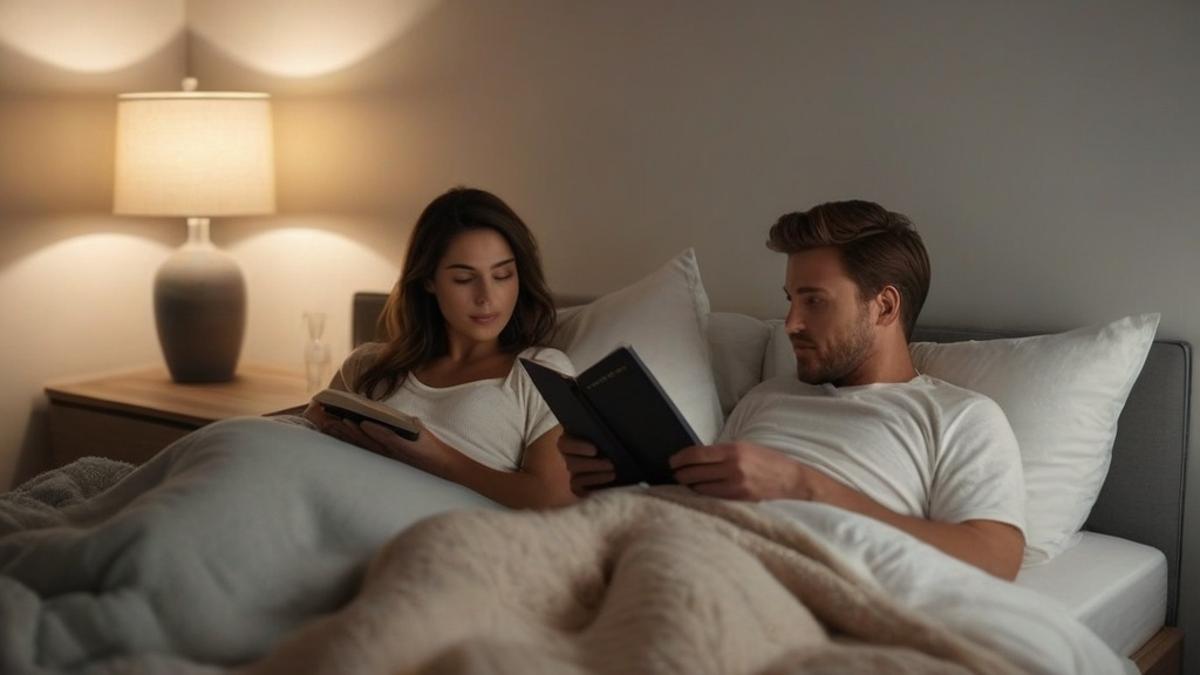
Building a true sleep-friendly environment requires attention to several physical factors that directly influence how quickly you fall asleep and how well you stay asleep. Below is a quick-reference table summarizing the most impactful elements to consider when you create a sleep-friendly bedroom.
| Category | Impact on Sleep Quality |
|---|---|
| Room Temperature | Keeping the bedroom between 60-67°F helps the body reach its natural sleep temperature faster. |
| Lighting Control | Blackout curtains reduce light exposure, supporting melatonin production and improve sleep quality. |
| Noise Reduction | White noise machines mask disruptive sounds, a simple yet effective tip for better sleep. |
| Mattress & Bedding | Quality bedding materials prevent overheating and support proper spinal alignment overnight. |
Each of these elements plays a distinct role in how to sleep better, and together they form a comprehensive strategy that goes beyond simply changing your habits at bedtime.
SEE ALSO: The Relationship Between Sleep Quality and Productivity: Maximizing Your Day
Sound and Temperature: The Silent Architects of Sleep Quality
While darkness sets the stage, two other forces work behind the scenes to determine whether the body actually stays asleep: noise and temperature. Both are easy to overlook, yet both can undo hours of otherwise good rest.
The Noise Nobody Notices
Sleep specialists often point out that hearing never fully switches off, even during the deepest stages of sleep. A passing siren in New York City, a neighbor’s barking dog in suburban Texas, or a partner’s snoring can trigger micro-awakenings that fragment sleep architecture without the sleeper ever realizing it happened.
The World Health Organization has suggested that nighttime noise levels above 30 decibels can begin to affect sleep quality, a threshold quieter than most refrigerators. Over months and years, this kind of fragmented rest has been linked to elevated stress hormones and daytime fatigue.
To build a truly sleep-friendly environment, consider these sound-management approaches:
- White noise machines: These mask sudden noise spikes with a steady, predictable hum, which the brain finds far less disruptive than silence broken abruptly.
- Earplugs designed for sleep: Unlike standard foam plugs, sleep-specific versions are contoured to remain comfortable for side sleepers.
- Weatherproofing windows: Simple door sweeps and window seals can reduce street noise significantly in older homes.
- Soft furnishings: Rugs, curtains, and upholstered headboards absorb sound waves that hard surfaces tend to bounce around a room.
Why Temperature Matters More Than Most People Think
Few factors influence sleep as directly as room temperature. The body’s core temperature naturally drops in the evening as part of the sleep-onset process, and a bedroom that’s too warm can interfere with this internal cooling signal.
The National Sleep Foundation recommends keeping bedrooms between 60 and 67 degrees Fahrenheit for optimal rest. This range appears frequently in sleep environment checklists, yet many households keep bedrooms several degrees warmer, often without realizing the impact on sleep depth.
Practical steps to improve sleep quality through temperature control include:
- Breathable bedding: Cotton and linen sheets allow heat to escape more efficiently than synthetic blends.
- Fans or smart thermostats: Programming a slight temperature drop an hour before bedtime mimics the body’s natural cooling process.
- Moisture-wicking pajamas: Especially useful in humid climates like Florida or coastal Georgia, where nighttime humidity can worsen overheating.
Together, sound and temperature form a foundation that many people underestimate when learning how to sleep better. Addressing them alongside light control brings a bedroom significantly closer to the ideal conditions researchers associate with consistent, restorative rest.
Bringing It All Together: Your Path to Better Rest
Building a genuinely sleep-friendly environment rarely comes down to one dramatic change. Instead, it emerges from a series of small, deliberate adjustments that work together, darkness that respects the body’s melatonin production, sound levels that stay below disruptive thresholds, and temperatures that align with the body’s natural cooling process at night.
Considered individually, blackout curtains, white noise machines, or a slightly cooler thermostat setting might seem like minor tweaks. Considered together, they form a comprehensive sleep environment checklist capable of transforming restless nights into consistent, restorative rest.
Why a Holistic Approach Works Best
Sleep researchers increasingly emphasize that isolated fixes rarely solve chronic rest issues. A perfectly dark room still fails to deliver quality sleep if street noise from a busy Chicago intersection filters through thin windows. Likewise, a quiet bedroom loses its benefit if temperatures climb above the recommended 60 to 67 degree range.
This is why anyone serious about learning how to sleep better should treat their bedroom as an interconnected system rather than a collection of separate problems.
A few final considerations worth exploring further include:
- Personal sensitivity varies: Some people tolerate ambient noise or warmer temperatures better than others, so testing adjustments individually helps identify what truly matters for a specific sleeper.
- Seasonal recalibration: A setup that works during a mild spring in Oregon may need adjusting during a humid summer in Louisiana.
- Consistency over perfection: Small, sustained habits often outperform occasional, expensive overhauls.
Ultimately, learning to create a sleep-friendly bedroom is less about chasing flawless conditions and more about steadily removing the barriers that interfere with the body’s natural rhythms. For readers looking to improve sleep quality long-term, these tips for better sleep offer a practical, evidence-informed starting point, one worth revisiting and refining as personal needs, seasons, and living situations continue to change.
Frequently Asked Questions
What is the ideal bedroom temperature for a sleep-friendly environment?
Most sleep experts recommend keeping your bedroom between 60 and 67 degrees Fahrenheit for optimal rest. Your body naturally cools down as you fall asleep, so a slightly cool room supports this process. If you tend to run warm, try breathable cotton sheets and a fan to maintain airflow.
How does blue light from screens affect my ability to fall asleep?
Blue light from phones, tablets, and TVs suppresses melatonin production, the hormone that signals your body it’s time to sleep. This can delay sleep onset and reduce overall sleep quality. Try turning off screens at least 30 to 60 minutes before bed or using blue-light-blocking glasses if you must use devices.
What type of mattress and pillow setup works best for a sleep-friendly bedroom?
The best mattress firmness depends on your sleep position, but side sleepers generally benefit from medium-soft mattresses while back and stomach sleepers do better with medium-firm options. Pillows should keep your neck aligned with your spine, so side sleepers need thicker pillows than back sleepers. Replacing a mattress every 7 to 10 years also helps maintain proper support and hygiene.
Should I use blackout curtains or a white noise machine to improve sleep quality?
Both can significantly improve sleep quality, but they address different issues, so using them together often works best. Blackout curtains block streetlights and early morning sun that can disrupt your circadian rhythm, while white noise machines mask sudden sounds like traffic or a partner’s snoring. Even small amounts of light or noise can cause micro-awakenings that reduce overall sleep quality without you realizing it.
How can I make my bedroom feel more sleep-friendly if I live in a small apartment?
Even in a small space, you can create a sleep-friendly environment by decluttering, using calming colors, and designating the bed strictly for sleep rather than work or entertainment. Portable blackout shades and a small white noise machine take up minimal space but make a big difference. Keeping the room tidy and free of visual clutter also reduces mental stimulation before bedtime.

Linda Carter
Linda Carter is a writer specializing in healthy habits and balanced living. With extensive experience helping readers build sustainable routines, she shares practical guidance on nutrition, physical activity, quality sleep, stress management, and emotional well-being. Her goal is to offer simple, accessible strategies that inspire people to care for their health and enjoy a more balanced life.