
The Role of Skin Microbiota in Skin Health: What You Need to Know
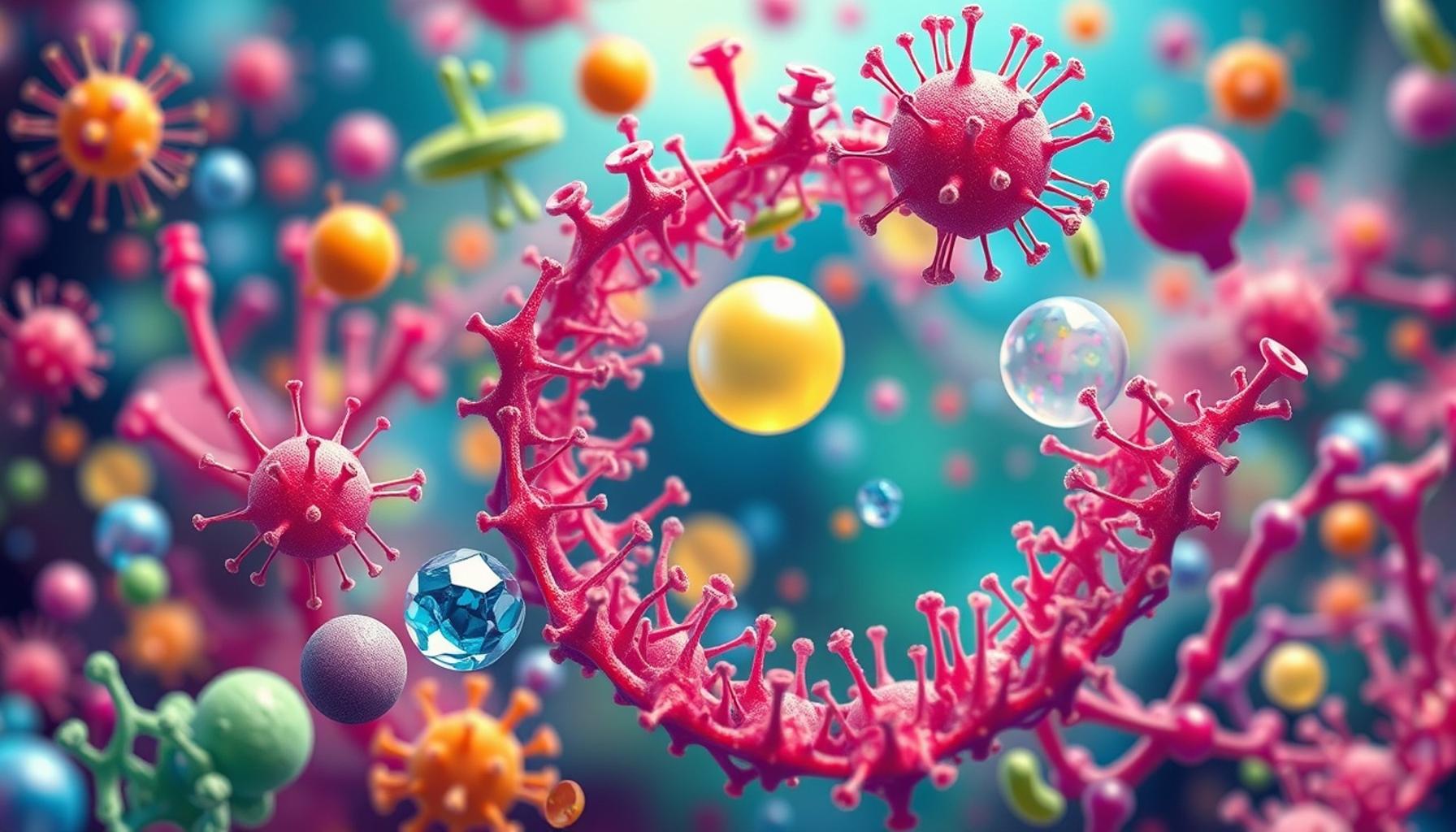
The Hidden World of Microorganisms
Your skin is not just a protective barrier; it is a vibrant ecosystem teeming with life. Home to trillions of microscopic organisms, collectively referred to as skin microbiota, these tiny entities are pivotal to maintaining skin health. Understanding the intricate relationship between these microorganisms and our skin can shed light on effective skincare practices and overall wellness.
Why Microbiota Matter
The skin microbiota functions much like an intricate web, contributing significantly to various aspects of skin health. Their roles include:
- Skin Barrier Function: The skin acts as the first line of defense against environmental threats, including harmful bacteria and toxins. A diverse microbiota helps fortify this barrier, preventing infections and irritation.
- Immune Response: Microorganisms present on the skin surface play a crucial role in modulating the skin’s immune responses. For example, certain beneficial bacteria can help train the immune system to differentiate between harmful invaders and benign substances, potentially reducing allergic reactions and inflammation.
- Hydration: Microbiota contribute to maintaining optimal moisture levels by producing natural moisturizing factors and promoting the skin’s ability to retain water. This hydration is vital, as dry skin can lead to cracks and irritation, paving the way for infections.
By supporting a balanced skin environment, these microorganisms help prevent various skin conditions and keep the skin looking healthy and vibrant.
Common Skin Issues
When the delicate balance of the skin microbiota is disrupted, it can lead to a myriad of common skin issues. These include:
- Acne: Often associated with an overgrowth of certain bacteria, acne can manifest in various ways, from blackheads to painful cysts. A healthy microbiome can prevent the conditions that lead to acne flare-ups.
- Eczema: This condition, characterized by dry, itchy patches of skin, can result from an imbalance in the skin microbiome. Certain beneficial microorganisms may be lacking, which affects the skin’s barrier function.
- Psoriasis: An inflammatory skin condition that leads to the rapid buildup of skin cells, contributing to scaling and redness. Recent studies are exploring the role of skin microbiota in exacerbating or alleviating psoriasis symptoms.
Awareness of the impact that these tiny inhabitants have on skin conditions can be instrumental in developing effective skincare strategies.
Discovering More
As scientists delve deeper into the fascinating world of the skin microbiome, new discoveries are being made that could profoundly alter our understanding of skin health. Research is continuously unveiling the intricate interactions between specific microorganisms and skin conditions. For example, understanding how probiotics may benefit skin flora opens new doors for therapeutic approaches in dermatology.
By educating yourself about the relationship between skin microbiota and various conditions, you are equipped to make informed choices that enhance your skincare regimen. Engaging with this growing field not only enriches your knowledge but also empowers you to advocate for practices that promote a healthy and balanced skin ecosystem.
The Importance of a Balanced Microbiome
Understanding the skin microbiota is fundamental to unlocking the secrets of skin health. While many people might overlook the existence of these microorganisms, the reality is that they are crucial players in maintaining skin integrity and function. Each person’s skin microbiota is unique, shaped by various factors such as genetics, environment, diet, and personal care products. This individuality can dictate how our skin responds to treatments and skincare regimens.
The Impact of Disruption
The balance of microorganisms on the skin can easily be disrupted by several external factors. Common culprits include:
- Harsh Cleansers: Many traditional soaps and shampoos are laden with sulfates and other harsh chemicals that can strip the skin of its natural oils and microbiota.
- Over-washing: While maintaining hygiene is essential, excessive washing can lead to an imbalance of skin flora, ultimately harming the protective barrier.
- Dietary Choices: A diet high in sugar and processed foods can contribute to skin inflammation and imbalance in the microbiome.
- Antibiotic Use: While antibiotics are essential in treating infections, they can indiscriminately kill beneficial skin bacteria, leading to an array of skin issues.
When this delicate ecosystem is compromised, the skin becomes more vulnerable to infections, irritations, and inflammatory conditions. Studies have shown that skin diseases such as eczema and acne can be exacerbated by a disrupted microbiome, reiterating the significance of maintaining a balanced microbial environment.
Building a Healthy Microbiota
Strategies to foster a thriving skin microbiome are increasingly coming to the forefront of skincare discussions. Prioritizing a well-rounded approach can yield significant benefits. Here are some tips to enhance your skin microbiota:
- Hydration: Keeping your skin well-moisturized helps to support the microbiome as it attracts water and forms a barrier against external aggressors.
- Probiotic Supplements: Incorporating probiotics, either through supplements or food sources like yogurt, may help restore equilibrium in the gut-skin axis, influencing skin health positively.
- Natural Products: Opting for gentle, dermatologist-approved products free of harsh chemicals can help preserve the natural diversity of skin flora while delivering essential nutrients.
- Limit Sun Exposure: While sunlight is essential for Vitamin D synthesis, excessive exposure can compromise skin integrity and the microbiome; using sunscreen can help protect this delicate ecosystem.
By integrating these practices into your daily routine, you can support your skin’s microbiota, ensuring it remains resilient against potential threats. As the research continues to evolve, staying informed about the influence of skin microbiota on health can enable you to take proactive measures in your skincare journey.
The Importance of Skin Microbiota
The skin is home to a diverse community of microorganisms known as the skin microbiota. This intricate ecosystem plays a critical role in maintaining skin health and function. When healthy, the skin microbiota serves as a barrier against pathogenic bacteria, fungi, and viruses, thus protecting against infections. It’s fascinating to note that the diversity of microorganisms present on our skin can influence not just our skin health but also our overall well-being.Furthermore, skin microbiota contributes to the skin’s immune response. Research has shown that certain strains of bacteria can produce antimicrobial peptides, which not only inhibit the growth of harmful microbes but also promote healing. As a result, a well-balanced skin microbiome can prevent conditions such as acne, eczema, and psoriasis.
Factors Affecting Skin Microbiota
Several factors can disrupt this delicate balance, including diet, age, environmental exposure, and use of skincare products. High-stress levels, changes in temperature, and pollution are other factors that can impact the skin’s microbiome. This disruption leads to an imbalance known as dysbiosis, which can manifest in various skin disorders. For instance, overuse of antibiotics or harsh soaps can eliminate beneficial bacteria, exacerbating skin problems.Research continues to emerge about the significance of probiotics and prebiotics for skin health. Incorporating these elements into skincare routines may enhance the skin microbiome, improve hydration, and boost barrier function. The growing interest in the interrelation between skin microbiota and systemic health opens up new avenues for therapeutic interventions.
Emerging Research and Future Directions
Exciting advancements in microbiome research are paving the way for innovative treatments aimed at restoring balance to the skin microbiota. Products designed to support the natural microbiome are gaining traction in the beauty and skincare industry, with botanical extracts and fermented ingredients taking center stage. Moreover, the potential of skin microbiota to influence conditions beyond the skin itself is becoming increasingly recognized. For example, emerging studies suggest links between skin health and conditions such as acne and metabolic syndrome. These connections indicate that fostering a healthy microbiome may contribute to improved quality of life.As we delve deeper into the roles of our skin microbiota, it becomes essential not only to understand the functions it provides but also to be mindful of the choices we make regarding skincare and overall health. Future research has the potential to revolutionize our approach to skincare, making microbiota management a cornerstone of healthy skin.
Exploring the Interactions Between Skin Microbiota and Skin Conditions
The intricate relationship between skin microbiota and various skin conditions unveils a captivating narrative that underscores the complexities of skin health. Emerging research suggests that the composition and diversity of skin microbiota can influence the development and severity of several skin disorders, including atopic dermatitis, psoriasis, and rosacea. Understanding these interactions not only broadens our knowledge but also stimulates innovative approaches to treatment and prevention.
Atopic Dermatitis and Microbial Imbalance
Atopic dermatitis, a chronic inflammatory skin condition, has been linked to an imbalance in skin microbiota. Observers have noted that individuals afflicted with this condition often harbor lower levels of Staphylococcus epidermidis, a beneficial bacteria known for its skin protective qualities. In contrast, Staphylococcus aureus, a pathogenic bacteria, tends to proliferate in such environments, potentially exacerbating the skin inflammation and discomfort experienced by patients. Recent studies have suggested that applying topical probiotics may help restore the microbial balance, thus alleviating symptoms and improving overall skin condition.
The Role of Microbiota in Psoriasis
Psoriasis is another skin ailment that reveals the importance of skin microbiota. Individuals suffering from psoriasis often present altered microbial communities on their skin, marked by reduced microbial diversity. The inflammation inherent to psoriasis can appear to perpetuate this imbalance. However, burgeoning research indicates that certain strains of bacteria may exert anti-inflammatory effects and could be harnessed in therapeutic interventions. Early clinical trials have begun to explore the efficacy of probiotic-rich topical treatments, building hope for more effective management options in the future.
Rosacea and the Microbial Connection
Rosacea is characterized by facial redness and has also shown intriguing correlations with skin microbiota. Studies have found elevated levels of Demodex mites and specific bacteria, such as Helicobacter pylori, in individuals with this inflammatory condition. These organisms can potentially activate the immune system, leading to rosacea flare-ups. Understanding the role of these microbes in exacerbating rosacea symptoms can open new avenues for targeted treatments that could restore the balance of skin flora, hence mitigating flushing and irritation.
The Future of Microbiome-Inspired Skincare
The knowledge amassed regarding skin microbiota and its multifaceted role in skin health is paving the way for innovative skincare products designed to harness the benefits of beneficial microorganisms. The rise of prebiotic and probiotic skincare formulations is a testament to this growing interest, promising not only to feed the good bacteria on our skin but also to create an environment conducive to a thriving microbial community. Moreover, personalized skincare regimens grounded in microbiome analysis may soon become mainstream, allowing individuals to tailor their products according to their unique microbiota profiles.
As this fascinating domain of research evolves, it beckons both consumers and professionals alike to reconsider traditional skincare methods and embrace the idea that healthy skin may just begin with nurturing a symbiotic relationship with the microorganisms that inhabit it. The intersection of microbiota and skin health is a promising frontier that warrants continued exploration as we endeavor to unlock the mysteries of our skin.
Conclusion: The Future of Skin Health Through Microbiota Exploration
The role of skin microbiota in skin health is a rapidly evolving field that opens new avenues for understanding and managing skin conditions. The delicate balance of microbial communities on our skin is crucial; it not only enhances the skin’s barrier function but also plays a significant role in mitigating inflammatory responses associated with various skin disorders. As we have discussed, conditions such as atopic dermatitis, psoriasis, and rosacea exemplify how microbial imbalances can exacerbate symptoms and, conversely, how targeted microbial interventions hold promise for treatment and prevention.
With the emergence of prebiotic and probiotic skincare products, consumers are presented with innovative solutions that aim to restore this balance and promote overall skin health. The ability to personalize skincare regimens based on individual microbiota profiles is on the horizon, promising tailored approaches that cater to unique skin needs. It is essential for both consumers and dermatological professionals to stay informed about these advancements, as a renewed understanding of skin microbiota might very well redefine skincare practices and treatment options.
As research progresses, the potential for discovering how different strains of bacteria can influence skin health will encourage avenues for novel therapies and preventive measures. Embracing the notion that healthy skin goes beyond surface care to nurturing our skin’s microbial residents could be the key to radiant, resilient skin. In this intricate dance between host and microorganisms, the future of skincare is undoubtedly bright, urging us all to explore the uncharted territories of our skin microbiome for optimal health.

Linda Carter
Linda Carter is a writer and beauty expert specializing in skincare, self-care, and personal wellness. With extensive experience helping readers discover effective routines, trusted tips, and confidence-boosting practices, Linda shares her knowledge on our platform. Her goal is to empower readers with practical advice and thoughtful strategies to enhance their natural beauty, feel their best, and embrace a healthier, more confident lifestyle.