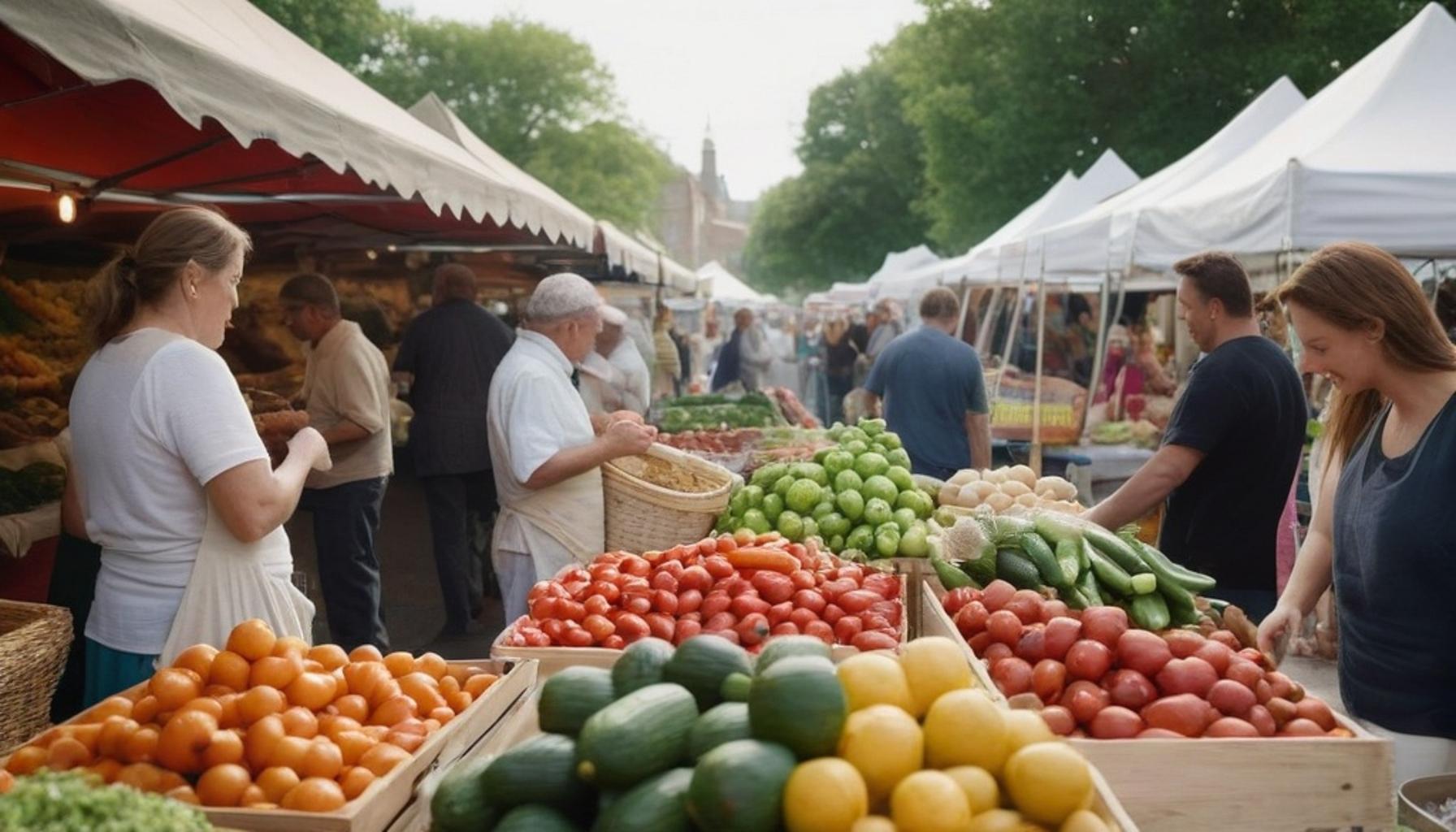
How Seasonal Eating Can Enhance Nutritional Value and Sustainability
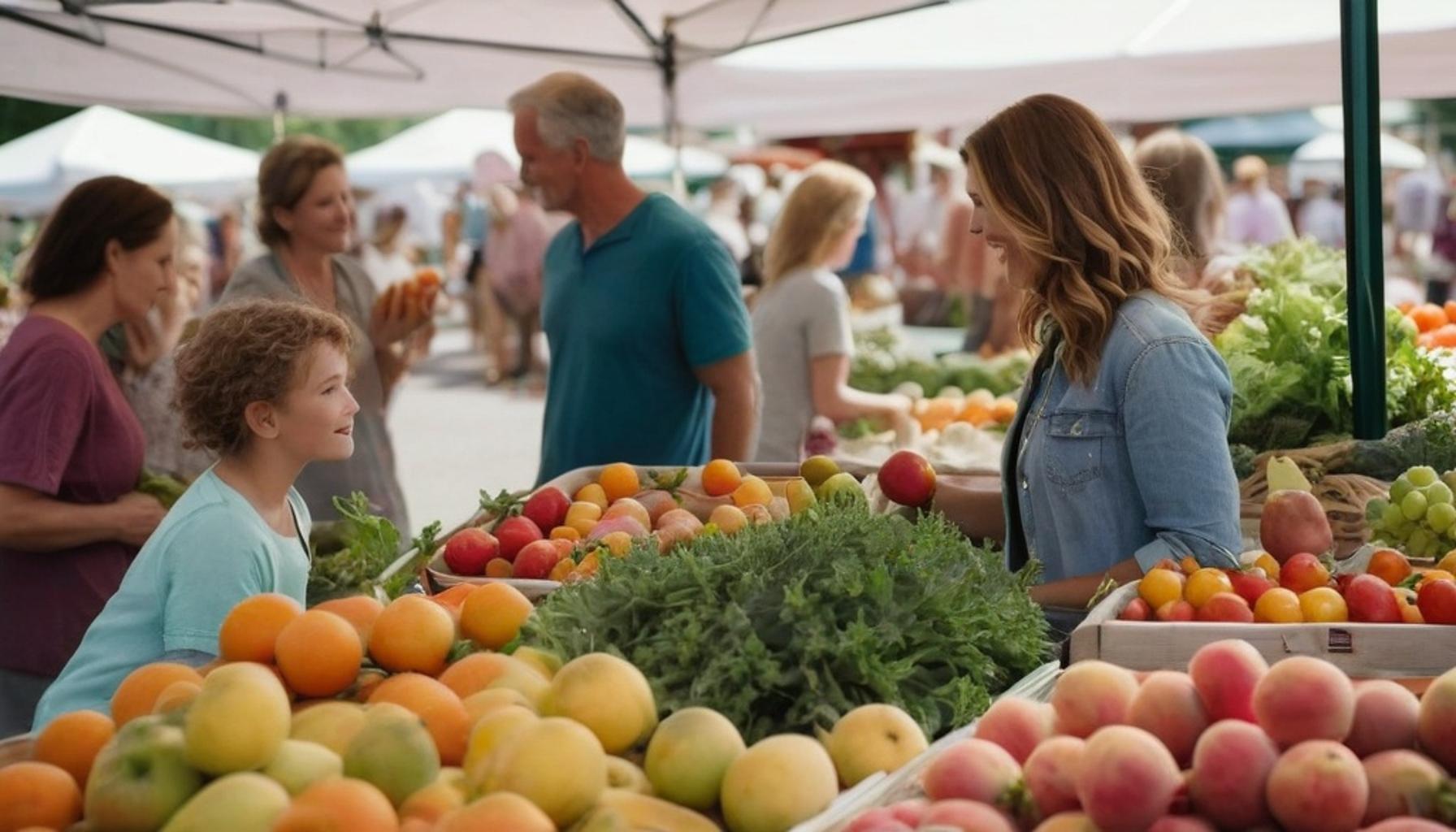
Why Seasonal Eating Deserves a Spot on Your Plate
Walk into any American grocery store in January, and you’ll find strawberries sitting next to apples, no matter how far they had to travel to get there. That convenience comes at a cost, one that seasonal eating aims to solve.
This approach isn’t just a passing food trend. It’s a return to how humans ate for thousands of years, before refrigerated trucks and global supply chains reshaped our plates. Grandparents and great-grandparents across the country once relied on root cellars, canning jars, and the rhythm of local harvests to decide what landed on the dinner table. Today, that wisdom is resurfacing as more shoppers question why a tomato in December tastes like cardboard compared to one picked in July.
What Makes Seasonal Foods Different
Produce picked at peak ripeness carries more than just better flavor. Research consistently points to a higher nutritional value of seasonal foods compared to items harvested early and shipped long distances.
- Vitamin content: Some studies show vitamin C levels drop significantly in produce stored for weeks before sale
- Antioxidants: Locally ripened fruits and vegetables often contain higher concentrations of protective compounds
- Freshness: Shorter farm-to-table timelines mean less nutrient degradation
Consider a peach grown in Georgia and sold at a nearby farmers market within days, versus one shipped thousands of miles and gassed to ripen artificially. The difference isn’t just anecdotal, it shows up in taste tests and lab analyses alike. Beyond the plate, the benefits of seasonal eating extend into environmental territory that affects every American community.
The Bigger Picture: Sustainability
Choosing local seasonal produce reduces the carbon footprint tied to transportation, refrigeration, and packaging. It also supports regional farmers and strengthens local food economies, keeping dollars circulating closer to home rather than funding cross-country logistics networks.
- Fewer food miles traveled from farm to fork
- Reduced reliance on energy-intensive greenhouse growing
- Support for smaller, regional agricultural operations
From the apple orchards of Washington State to the citrus groves of Florida, regional growing seasons offer a built-in guide for smarter, fresher choices. What follows is a closer look at how sustainable eating practices built around the calendar can transform both your health and your impact on the planet. The seasonal diet advantages might surprise you, especially once you start noticing how much flavor and nutrition have been hiding in plain sight all along.
LEARN MORE: Balancing Nutrition: The Role of Meal Planning in Healthy Eating Habits
# Understanding the Science Behind Peak-Season ProduceNutritionists have long suspected what farmers already knew: timing changes everything. When a vegetable ripens naturally on the plant, it completes a process that artificial ripening simply can’t replicate.A tomato picked green and gassed with ethylene during transport may look ready for a sandwich, but its internal chemistry tells a different story. Studies from land-grant universities across the Midwest have found that produce harvested at true maturity contains measurably higher levels of vitamins, minerals, and phytonutrients than produce picked early for shipping durability.This is the foundation of seasonal eating: aligning food choices with nature’s own timeline rather than a distribution schedule built for convenience. Farmers markets from Portland to Philadelphia have built entire business models around this principle, betting that American consumers will pay a premium once they taste the difference for themselves.
How Off-Season Produce Loses Its Edge
Every day between harvest and plate, nutrient levels shift. This isn’t speculation, it’s basic plant biology.
- Enzymatic breakdown: Once picked, produce continues metabolic activity that consumes stored nutrients
- Light and oxygen exposure: Extended time in transit or storage accelerates vitamin loss, particularly heat-sensitive ones like vitamin C and folate
- Cold storage tradeoffs: Refrigeration slows decay but doesn’t stop nutrient degradation entirely
Spinach, for example, can lose up to half its folate content within a week of harvest if not properly stored. Multiply that kind of decline across the thousands of miles some produce travels, from Mexican farms to Midwestern supermarkets, and the gap becomes significant. Consider that a bell pepper grown in Ohio and sold within days looks nutritionally similar on a grocery shelf to one shipped from thousands of miles away, yet their internal vitamin profiles can differ dramatically. This is precisely why the nutritional value of seasonal foods tends to outperform their well-traveled counterparts.
Flavor as a Nutritional Signal
Chefs and home cooks alike notice it immediately, in-season produce simply tastes better. That’s not just a culinary preference; it often signals higher nutrient density too.Sugars, acids, and aromatic compounds develop most fully when a plant is allowed to mature under natural conditions. A strawberry ripened under June sunshine in California develops a completely different sugar-to-acid ratio than one forced to ripen in a dark shipping container months later. Sweet corn from Iowa in late summer offers another example, its natural sugars begin converting to starch within hours of picking, which explains why corn eaten the same day it’s harvested tastes noticeably sweeter than corn that has traveled across state lines.This connection between taste and nutrition is part of what makes local seasonal produce such a compelling choice for households rethinking their grocery habits. Farmers who sell directly to consumers, whether through community-supported agriculture programs or roadside stands, often report that customers return specifically because of flavor, unaware that they are also gaining nutritional advantages. It’s not about giving up variety, it’s about understanding when specific foods are truly at their best, both on the palate and in nutritional composition. For curious shoppers, checking regional harvest calendars before heading to the grocery store might be the simplest first step toward eating smarter.
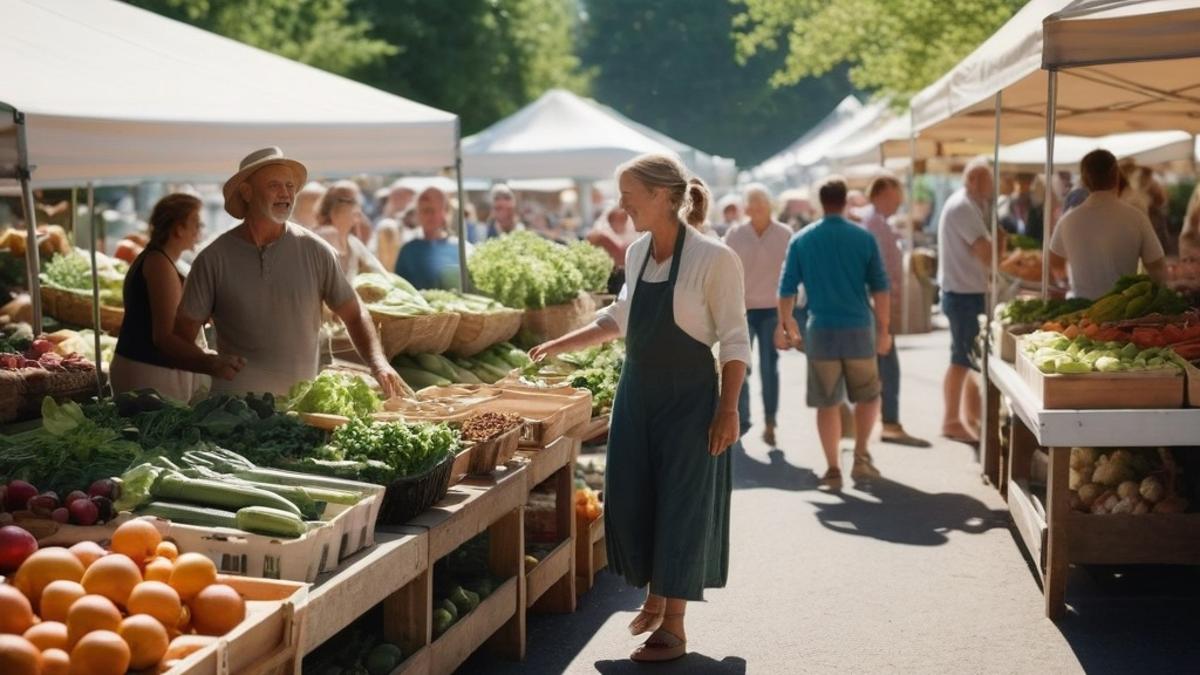
Key Aspects of Seasonal Eating: Nutrition and Sustainability at a Glance
Understanding the benefits of seasonal eating becomes easier when key aspects are compared side by side. The table below highlights how the nutritional value of seasonal foods and sustainable eating practices intersect, offering a quick reference before diving deeper into each topic.
| Category | Impact on Health & Sustainability |
|---|---|
| Nutrient Density | Local seasonal produce retains up to 30% more vitamins due to shorter transport time. |
| Carbon Footprint | Reduces emissions by cutting long-distance shipping and cold storage needs. |
| Flavor & Freshness | Peak-season harvesting enhances taste, encouraging healthier food choices. |
| Economic Support | Strengthens local farms, a core pillar of seasonal diet advantages. |
These categories reveal only part of the story behind seasonal eating. Exploring each element further uncovers surprising data on soil health, biodiversity, and long-term dietary impact.
SEE ALSO: The Impact of Plant-Based Diets on Mental Well-Being
# The Environmental Ledger: Counting the Hidden Costs of Year-Round ProduceBeyond the plate, seasonal eating tells a bigger story about resource use. The average piece of produce in an American supermarket travels an estimated 1,500 to 2,500 miles before reaching a shopping cart, according to transportation studies cited by agricultural economists.That distance carries a cost measured in more than just freshness.
Calculating the Carbon Footprint of Off-Season Cravings
Refrigerated trucking, air freight for delicate items like berries, and cold-storage warehouses all consume significant fossil fuel resources. A winter craving for fresh blueberries, flown in from Chile or Peru, generates a dramatically larger carbon footprint than the same fruit purchased from a Michigan farm in July.Research from environmental science programs suggests that transportation and refrigeration can account for a substantial share of the total energy embedded in certain out-of-season fruits and vegetables. This is where sustainable eating practices intersect directly with seasonal choices.
- Reduced fuel consumption: Regional produce cuts down significantly on transportation-related emissions
- Lower storage energy demands: Locally harvested food spends less time in energy-intensive cold storage
- Decreased packaging waste: Shorter supply chains often require less protective packaging
Water Usage and Regional Growing Conditions
Seasonal eating also respects the natural water cycles of a given region. Growing watermelons in Georgia during summer months relies on natural rainfall patterns far more than growing the same crop in an arid climate that depends on irrigation year-round.California’s Central Valley, which produces a substantial portion of the nation’s fruits and vegetables, has faced repeated water shortages tied partly to demands for crops grown outside their ideal season. Choosing produce that aligns with a region’s natural growing capacity reduces strain on increasingly stressed water systems.
Supporting Regional Food Economies
There’s an economic dimension too. Dollars spent at farmers markets or through local seasonal produce subscriptions tend to circulate within regional economies rather than flowing toward distant agribusiness operations.The USDA has noted that direct-to-consumer farm sales, including CSA programs, have grown steadily over the past decade as more shoppers seek transparency about where their food originates. Farmers in states like Vermont, Wisconsin, and Oregon report that seasonal demand cycles allow them to plan crop rotations more sustainably, reducing dependence on synthetic fertilizers needed to force off-season yields.This ripple effect, from soil health to local job creation, illustrates one of the lesser-known seasonal diet advantages: it’s not just personal health at stake, but the resilience of entire farming communities. Shoppers who start asking where their food comes from often find themselves reconsidering how it got there in the first place.
LEARN MORE: The Influence of Social Media on Dietary Choices Among Young Adults
The Full Harvest: Bringing Seasonal Eating Full Circle
The evidence stacks up in a way that’s hard to ignore. From nutrient density that peaks at the moment of ripeness to the carbon savings of skipping a 2,000-mile truck ride, seasonal eating touches nearly every corner of the food system.
What began as a conversation about vitamins and freshness expands into questions about water tables in California, diesel consumption on interstate highways, and the survival of small farms in states like Vermont and Oregon.
Weighing the Benefits of Seasonal Eating
The nutritional value of seasonal foods isn’t just marketing language from farmers markets. Produce picked closer to peak ripeness genuinely retains more vitamins and antioxidants than items harvested early for long-distance shipping.
Pair that with the environmental math, and the case for sustainable eating practices becomes difficult to dismiss.
- Fresher, more nutrient-dense produce reaching plates faster
- Lower emissions tied to shorter supply chains
- Stronger regional economies supported by direct purchasing
A Practical Starting Point
None of this demands an all-or-nothing overhaul. Swapping even a few purchases toward local seasonal produce each week, checking a regional harvest calendar, or joining a CSA can shift buying habits gradually.
These small adjustments compound over a year, reducing both grocery bills and environmental impact.
The seasonal diet advantages explored throughout this discussion suggest something worth remembering the next time a shopping list gets written: the calendar might be one of the most underused nutrition and sustainability tools available. Paying attention to it could reshape not just personal health, but the food system at large.
Frequently Asked Questions
What exactly is seasonal eating and how does it differ from regular grocery shopping?
Seasonal eating means choosing fruits and vegetables at their natural peak harvest time in your region, rather than relying on produce shipped from distant climates year-round. Unlike typical grocery shopping, which often prioritizes convenience and year-round availability, seasonal eating focuses on freshness, local sourcing, and the natural growing cycles of crops. This approach usually means visiting farmers markets or checking regional harvest calendars to guide your choices.
Does seasonal produce actually have more nutrients than off-season produce?
Yes, produce picked at peak ripeness and eaten soon after harvest generally retains higher levels of vitamins, minerals, and antioxidants compared to items picked early and shipped long distances. Off-season fruits and vegetables often lose nutritional value during extended storage and transportation. For example, tomatoes harvested in summer typically have significantly more vitamin C than winter tomatoes shipped from far-off farms.
How does seasonal eating reduce my environmental footprint?
Eating seasonally often means buying locally grown food, which cuts down on the fuel, refrigeration, and packaging needed for long-distance transport and cold storage. This reduces greenhouse gas emissions associated with importing off-season produce from other countries or hemispheres. Supporting local seasonal farms also encourages more sustainable land use and crop rotation practices that benefit soil health long-term.
What are some easy first steps to start eating seasonally in the United States?
Start by checking a seasonal produce guide specific to your state or region, since growing seasons vary widely between places like California and New England. Visiting a local farmers market is one of the simplest ways to see what’s naturally in season near you. You can also join a CSA (Community Supported Agriculture) box, which automatically delivers whatever produce is currently being harvested locally.
Is seasonal eating more affordable than buying produce year-round?
Generally yes, because in-season produce is abundant and doesn’t require costly importing, cold storage, or long-distance shipping, so prices tend to drop during peak harvest times. For instance, strawberries are often cheaper and taste better in early summer than in the middle of winter. Buying in bulk during peak season and freezing or preserving extras can also help stretch your food budget throughout the year.

Linda Carter
Linda Carter is a writer specializing in healthy habits and balanced living. With extensive experience helping readers build sustainable routines, she shares practical guidance on nutrition, physical activity, quality sleep, stress management, and emotional well-being. Her goal is to offer simple, accessible strategies that inspire people to care for their health and enjoy a more balanced life.