
Creating a Daily Schedule: Balancing Work, Exercise, and Relaxation
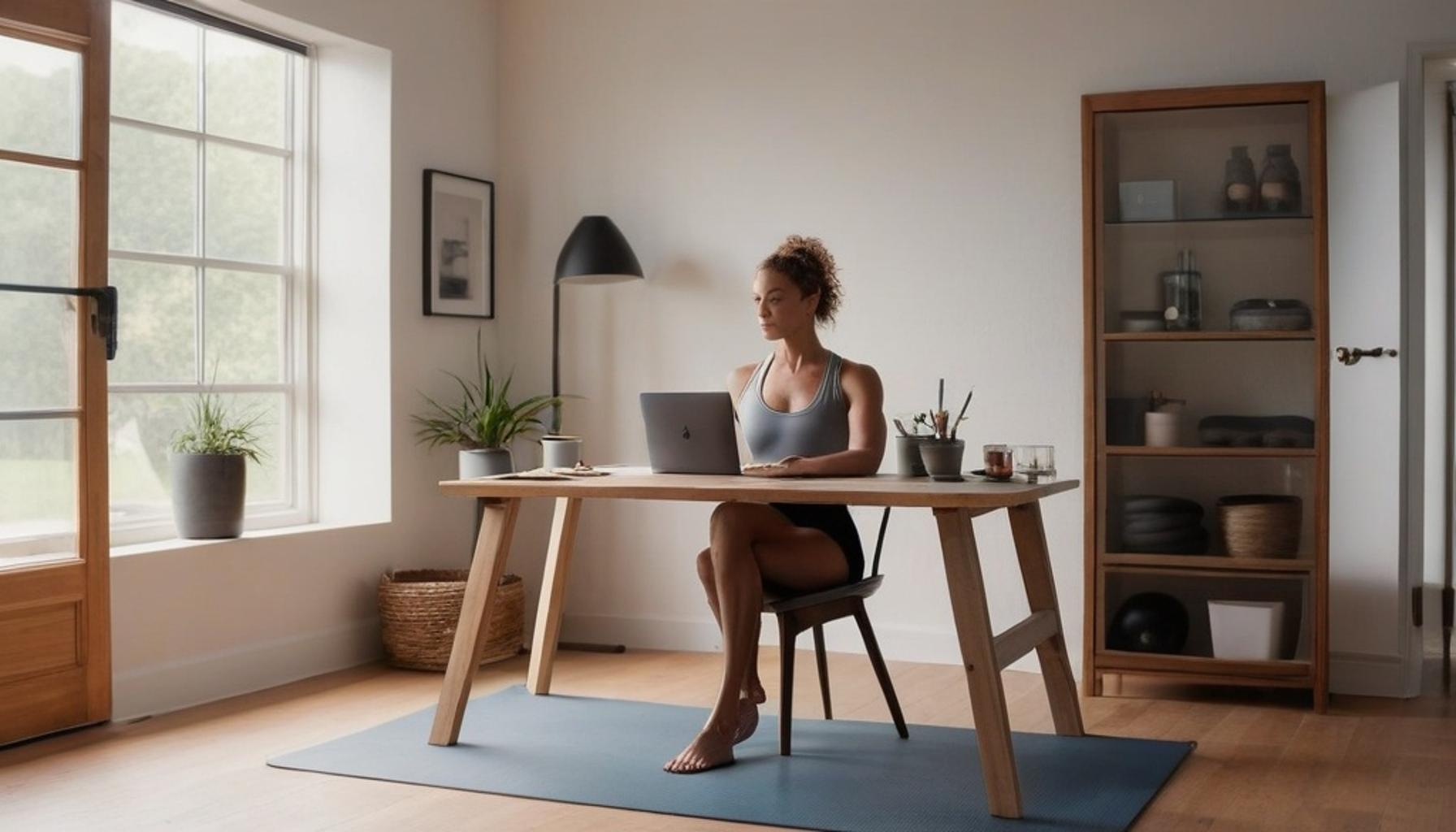
Why Your Daily Routine Might Be Working Against You
Americans spend an average of 8.5 hours a day working, yet nearly 60% report feeling they have no time left for exercise or downtime. That imbalance isn’t just exhausting, it’s a warning sign that something in the daily structure needs to change. Think about your last week: how many evenings ended with you collapsing on the couch, too drained to cook dinner, let alone hit the gym or read a book? You’re not alone, and the numbers prove it.
The solution often starts with one simple habit: learning how to create a daily schedule that actually reflects your priorities, not just your obligations. It sounds almost too basic, yet most people default to reactive scheduling, responding to emails, meetings, and deadlines instead of proactively designing their day around what truly matters, whether that’s a morning run, uninterrupted family dinner, or simply eight hours of quality sleep.
The Three Pillars of a Balanced Day
A well-designed daily schedule balancing work, exercise, and relaxation typically includes:
- Focused work blocks that align with your natural energy peaks, such as tackling complex projects during your sharpest morning hours instead of forcing productivity during an afternoon slump
- Movement breaks such as a 20-minute walk or gym session, ideally scheduled like any other unmissable appointment
- Intentional downtime for recovery, not just screen scrolling, think journaling, stretching, or even sitting quietly with a cup of coffee
Skipping any one of these often triggers burnout, poor sleep, or declining productivity, patterns increasingly documented among U.S. office workers and remote employees alike. Research from the American Institute of Stress suggests that chronic imbalance costs companies billions annually in lost productivity, a statistic that should make employers, not just employees, pay closer attention.
What Effective Time Management Really Looks Like
Contrary to popular belief, work life balance tips aren’t about squeezing more into 24 hours. They’re about strategic sequencing, arranging your existing hours so energy, focus, and rest reinforce each other instead of competing.
Consider these proven approaches:
- Time-blocking techniques used by productivity experts, including entrepreneurs like Elon Musk and authors like Cal Newport
- Structuring an exercise and work schedule around commute times or lunch breaks, turning otherwise wasted minutes into meaningful movement
- Applying relaxation techniques for busy people, like brief meditation or nature exposure, even a five-minute walk outside can measurably lower cortisol levels
This article breaks down practical time management strategies that help you build a schedule tailored to your lifestyle, whether you’re a 9-to-5 professional, a freelancer, or juggling both. The goal isn’t perfection, it’s designing a rhythm that actually works for you.
LEARN MORE: The Art of Prioritizing: Mastering Time Management for a Healthier Lifestyle
Start With an Audit: Where Your Hours Actually Go
Before you can create a daily schedule that balances work, exercise, and relaxation, you need to know where your time currently disappears. Most people underestimate how many hours vanish into low-value tasks, according to a University of California Irvine study, the average office worker gets interrupted every 11 minutes and takes over 23 minutes to refocus afterward.
That means a single distracted morning could quietly erase two hours of productive work, hours you might otherwise reclaim for a workout or a proper lunch break away from your desk.
Try this for three consecutive days: log every activity in 30-minute increments, from checking Slack to scrolling Instagram during a “quick break.” The results are usually humbling. Many discover they spend more time on reactive tasks like email than on the deep work that actually moves their career forward.
Common Time Leaks Americans Face Daily
Once you track your hours, patterns emerge. Here are the most frequent culprits sabotaging a daily schedule balancing work exercise relaxation:
- Meeting overload, with the average American professional attending 62 meetings a month, many of which could be shortened or skipped entirely
- Commute drag, averaging 27.6 minutes each way for U.S. workers, time that’s often wasted rather than used for a podcast, audiobook, or even a walk if working remotely
- Decision fatigue from unplanned days, where every hour requires a fresh choice about what to do next, draining mental energy before noon
- Screen-based “rest” that isn’t restful, since scrolling social media activates the same dopamine loops as work stress, offering no true recovery
Recognizing these leaks is the first real step toward smarter time management strategies. It’s not about adding more hustle to your day, it’s about removing friction that currently sabotages your energy.
Why Awareness Changes Everything
Once you see the gaps in black and white, building an effective exercise and work schedule becomes far less intimidating. You’re no longer guessing where to fit a 30-minute run or a mindfulness session, you know exactly which pocket of wasted time to reclaim.
This audit also reveals something deeper: most schedules aren’t broken because there isn’t enough time. They’re broken because time isn’t allocated with intention. A Harvard Business Review analysis found that employees who planned their day the night before reported 23% higher perceived productivity than those who planned reactively each morning.
That single shift, planning ahead instead of reacting in real time, sets the stage for everything that follows: structured work blocks, consistent movement, and relaxation techniques for busy people that actually stick instead of getting pushed aside when life gets hectic.

Key Elements of a Daily Schedule Balancing Work, Exercise, and Relaxation
Building an effective daily schedule balancing work, exercise, and relaxation requires more than good intentions—it demands structure. Below is a quick reference table highlighting the core components that experts recommend when you create a daily schedule designed for sustainable productivity and wellbeing.
| Schedule Component | Why It Matters |
|---|---|
| Focused Work Blocks | Boosts efficiency using time management strategies like 90-minute deep-work cycles. |
| Exercise and Work Schedule Integration | Morning or midday movement improves energy and reduces afternoon fatigue. |
| Relaxation Techniques for Busy People | Short breathing or stretching breaks lower stress hormones quickly. |
| Consistent Sleep Anchor | Fixed bedtime supports work life balance tips by stabilizing mood and focus. |
CHECK OUT: The Pomodoro Technique: Boosting Productivity While Prioritizing Self-Care
Building the Blueprint: Time Blocking That Actually Works
Once you know where your hours leak, the next step to create a daily schedule is designing blocks that protect your energy instead of just filling your calendar. This isn’t about cramming more into 24 hours, it’s about sequencing tasks to match your natural rhythms.
Research from the National Institute of General Medical Sciences shows most adults experience peak cognitive alertness between 10 a.m. and noon, with a secondary dip occurring right after lunch. Scheduling your hardest work during that morning window, and saving routine tasks like email for the early afternoon slump, can dramatically improve output without adding a single extra hour to your day.
The 90-Minute Rule
Sports scientists and productivity researchers alike point to the ultradian rhythm, a natural 90-minute cycle of high and low alertness that the body moves through repeatedly. Building your exercise and work schedule around these cycles means working in focused 90-minute sprints followed by a genuine 15 to 20 minute reset.
A short walk, some stretching, or even stepping outside for fresh air during that reset window does more for long-term output than pushing through fatigue. Companies like Google and Basecamp have restructured internal meeting policies around similar principles, reporting fewer reported cases of burnout among teams that respect built-in recovery periods.
Fitting Movement Into a Packed Calendar
One of the biggest myths standing in the way of consistent movement is that exercise requires a full hour at the gym. The CDC recommends 150 minutes of moderate activity weekly, which breaks down to roughly 21 minutes a day, achievable in a single lunchtime walk or two short sessions.
Consider these practical ways busy Americans are fitting fitness into already tight days:
- Micro-workouts of 10 minutes before breakfast, proven by a Journal of Physiology study to improve insulin sensitivity almost as effectively as one continuous session
- Walking meetings for one-on-one calls, replacing a conference room with a nearby park or even just the block around the office
- Desk-adjacent stretching every 90 minutes to counteract the average 9.5 hours Americans now spend sitting daily, according to a 2023 CDC report
These aren’t drastic overhauls. They’re small, repeatable shifts that add up over a month, proving that time management strategies don’t need to be extreme to be effective.
Where Relaxation Fits In
Relaxation techniques for busy people work best when scheduled with the same seriousness as a client call. Blocking 20 minutes for deliberate rest, whether that’s reading, breathing exercises, or simply sitting without a screen, prevents the burnout that erodes both productivity and health over time.
A well-designed daily schedule balancing work exercise relaxation treats downtime as non-negotiable, not as a reward earned only after every task is checked off.
RECOMMENDED: How time management can reduce stress and improve your mental health
The Takeaway: Progress Over Perfection
Building a daily schedule balancing work exercise relaxation isn’t a one-time fix you nail on the first attempt. It’s a living framework, one that shifts as deadlines pile up, seasons change, or life throws in a curveball like a sick kid or a last-minute work trip.
The Americans who make this work long-term aren’t the ones with flawless calendars. They’re the ones who treat scheduling as an ongoing experiment, adjusting time blocks when something isn’t sticking rather than abandoning the whole system.
Start small. Pick one strategy from this article, maybe the 90-minute work sprints, maybe a 10-minute morning micro-workout, and test it for two weeks before adding another layer. Data from behavioral psychologists suggests habits stack more successfully when introduced one at a time rather than all at once.
A Few Final Considerations
Before finalizing any routine, keep these points in mind:
- Track energy levels for a week before locking in a schedule, since time management strategies only work when they match your actual rhythms, not someone else’s
- Revisit the plan monthly, since what works during a slow season may collapse under a heavier workload
- Treat relaxation and movement as fixed appointments, not flexible extras that get cut first when things get busy
Ultimately, work life balance tips only matter if they’re realistic enough to survive a bad week. The goal isn’t a perfect calendar, it’s a sustainable rhythm that lets work, movement, and rest coexist without one constantly cannibalizing the others.
Whether that means block scheduling, walking meetings, or simply protecting 20 quiet minutes each evening, the best schedule is the one flexible enough to bend without breaking, and consistent enough to actually make a difference over time.
Frequently Asked Questions
What time should I schedule exercise if I work a 9-to-5 job?
Many people find early morning workouts between 6 and 7 AM effective because they boost energy for the workday and avoid evening fatigue or schedule conflicts. If mornings don’t work, a lunchtime walk or a 30-minute session right after work before dinner can also fit well. The best time is whichever slot you can consistently protect on your calendar.
How much time should I actually block for relaxation each day?
Aim for at least 30 to 60 minutes of dedicated downtime daily, separate from sleep, to prevent burnout and support mental recovery. This can be split into shorter breaks, like a 10-minute pause after lunch and 20 minutes of reading before bed. Consistency matters more than duration, so even short daily relaxation blocks add up over time.
What’s a good way to structure a daily schedule that includes work, exercise, and relaxation without feeling overwhelmed?
Start by blocking your fixed work hours first, then anchor exercise to a consistent time slot like early morning or lunch, and finally schedule short relaxation breaks around meals and before bed. Use time-blocking in a calendar app so each activity has a clear start and end time, reducing decision fatigue. Leave 15-30 minute buffers between blocks to handle unexpected delays without derailing the whole day.
How do I balance a daily schedule when my work hours are unpredictable?
If your job has variable hours, build a flexible template with a non-negotiable morning or evening routine for exercise and relaxation that stays constant regardless of work timing. Use a weekly planning session every Sunday to slot in workouts and downtime around your known shifts for that week. Prioritizing short, adaptable activities like a 20-minute home workout or a 10-minute meditation makes it easier to stay consistent despite schedule changes.
Should I schedule exercise and relaxation on weekends differently than weekdays?
Yes, weekends often allow more flexibility, so you can schedule longer workouts or outdoor activities and extend relaxation time compared to shorter weekday sessions. Many people use weekends to try new exercises like hiking or yoga classes that don’t fit into a tight weekday schedule. Keeping a rough routine, even on weekends, helps maintain momentum without making the days feel overly rigid.

Linda Carter
Linda Carter is a writer specializing in healthy habits and balanced living. With extensive experience helping readers build sustainable routines, she shares practical guidance on nutrition, physical activity, quality sleep, stress management, and emotional well-being. Her goal is to offer simple, accessible strategies that inspire people to care for their health and enjoy a more balanced life.