
How Caring for Pets Can Stimulate the Practice of Mindfulness and Connection to the Present
Caring for pets fosters mindfulness, encouraging emotional connection and present-moment awareness. Daily interactions, such as feeding and grooming, promote relaxation and reduce stress, enhancing mental well-being. Engaging with pets brings joy and cultivates a deeper understanding of life's simplicity, ultimately enriching the owner-pet bond.

The Importance of Animal Companionship for the Mental Health of Owners
Animal companionship significantly enhances the mental health of owners by providing emotional support, reducing stress, and fostering social connections. Pets serve as vital sources of unconditional love, promoting resilience and combating feelings of loneliness. This bond underscores the importance of integrating animal companionship into mental wellness strategies.
The Connection between Animal Care and the Development of Social Skills in Children
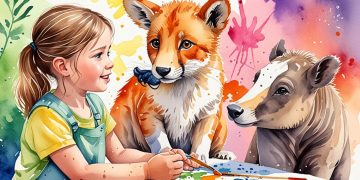
Engaging with animals significantly enhances children's social skills by fostering empathy, responsibility, and teamwork. Through animal care, children learn effective communication, conflict resolution, and emotional understanding, equipping them to build meaningful relationships throughout their lives. This vital connection promotes emotional intelligence and nurtures compassionate individuals in our interconnected world.

How Interaction with Pets Can Improve Owners’ Sleep Quality
Pets significantly enhance their owners' sleep quality through emotional comfort, stress reduction, and routine establishment. Their presence fosters a soothing environment that promotes relaxation and deeper sleep. Engaging with pets also encourages physical activity, which further contributes to better sleep patterns, making them vital for overall well-being.

The Impact of Diet on Your Pet’s Behavior and Mood
Diet profoundly impacts your pet's behavior and mood, influencing factors like anxiety and energy levels. Essential nutrients, such as high-quality proteins and omega-3 fatty acids, promote emotional stability, while processed foods may contribute to behavioral issues. Understanding these connections allows pet owners to enhance their furry companions' well-being through informed dietary choices.

The Role of Pets in Reducing Loneliness among the Elderly
Pets significantly reduce loneliness among the elderly by providing companionship, emotional support, and opportunities for social interaction. They enhance mental and physical health, foster community connections, and promote a sense of purpose. Understanding the benefits of pet ownership is essential for improving the quality of life for seniors.

The Benefits of Animal-Assisted Therapy on Emotional Health
Animal-assisted therapy significantly enhances emotional health by reducing stress, providing companionship, and improving mood. This innovative approach fosters social interaction and emotional support, making therapy more accessible and effective across various sectors, including education and healthcare. The bond between humans and animals facilitates profound emotional healing and resilience.

Understanding Nutritional Needs for Different Breeds
Nutritional needs vary significantly among different dog and cat breeds, influenced by factors like size, activity level, and health conditions. Tailoring diets to meet these breed-specific requirements is essential for promoting pet health and longevity, ensuring happier, healthier lives for your furry companions.

How Physical Activity with Pets Contributes to Physical Well-Being
Physical activity with pets enhances overall well-being by boosting cardiovascular health, increasing motivation, and improving mood. Engaging in exercise with pets fosters strong bonds, promotes social connections, and establishes healthy routines, contributing significantly to both physical and mental wellness for owners and their furry companions alike.
Nutritional Myths About Pet Food: What Every Owner Should Know
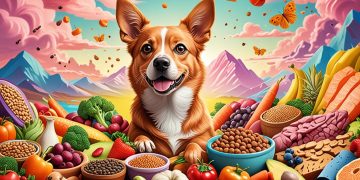
This article clarifies common misconceptions about pet food nutrition, emphasizing that grain-free diets aren't always healthier, raw diets may pose risks, and some human foods can be safe in moderation. Educating pet owners on these myths enables better dietary choices for their pets' health and well-being.