The Influence of Stress on Skin Health: Strategies for Mitigation
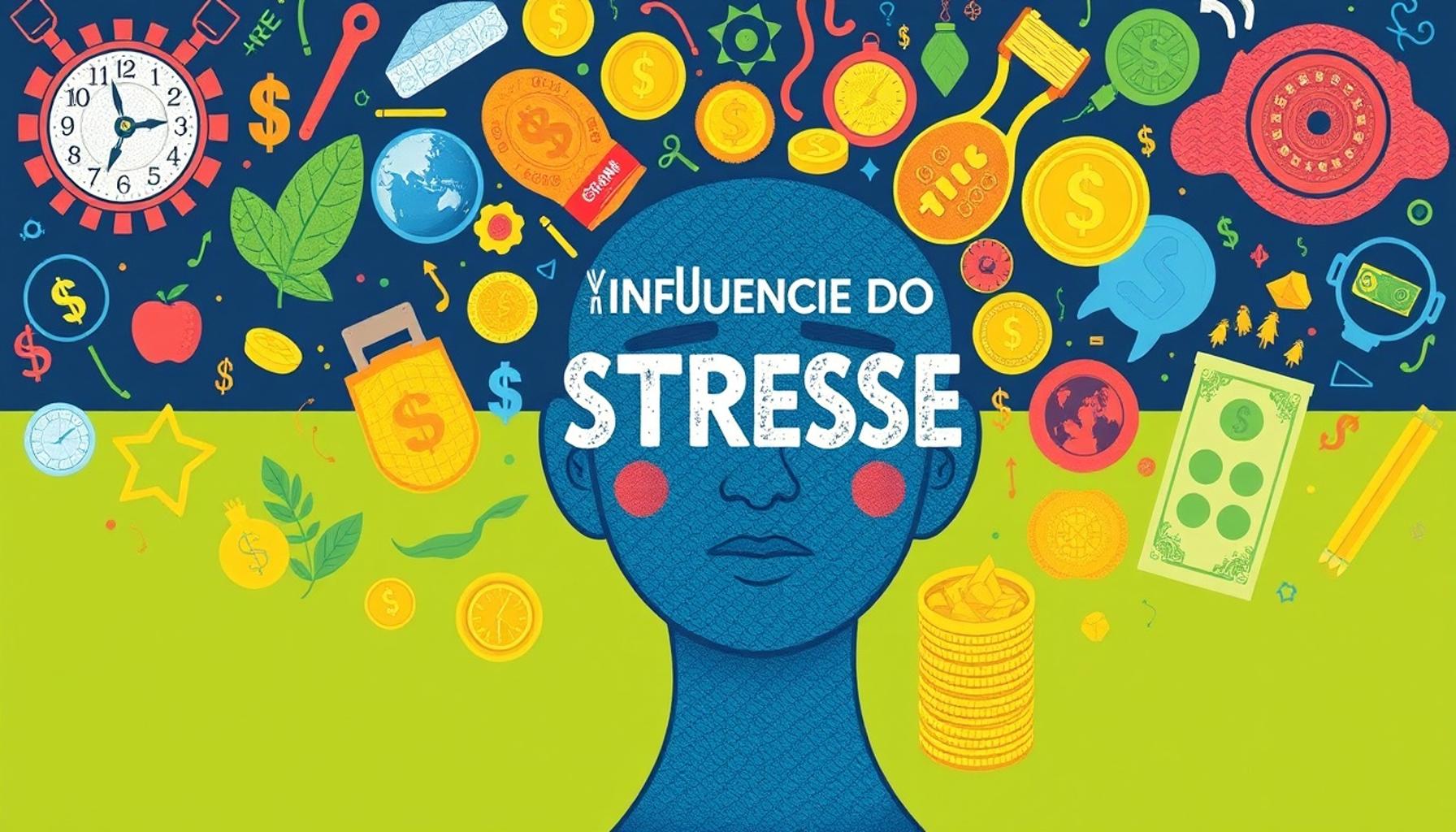
The Impact of Stress on Skin Health
Understanding the connection between stress and your skin’s health is paramount, especially in a fast-paced society where stressors are constant. Stress manifests not just in our thoughts but profoundly affects our skin, often serving as a barometer of our emotional well-being. When stress levels escalate, the body responds by producing hormones like cortisol, which can trigger a cascade of negative effects on the skin’s condition.
How Stress Affects the Skin
Among the myriad of hormonal reactions within the body, cortisol raises oil production, which can lead to a host of skincare issues. The increase in sebum not only exacerbates pre-existing acne but invites new blemishes, contributing to the ubiquitous struggle many face with breakouts. For instance, during exam periods, students often notice an uptick in acne flare-ups, a phenomenon partially linked to heightened stress levels.
- Increased oil production: This excess oil can clog pores, resulting in acne and unsightly breakouts that can affect self-esteem.
- Inflammation: Stress can intensify skin conditions like eczema and psoriasis, causing red, itchy patches that require medical attention and ongoing treatment.
- Premature aging: Cortisol not only speeds up oiliness but can also lead to loss of collagen and elastin, increasing the appearance of fine lines and wrinkles.
This cycle of stress and skin issues often creates a feedback loop, where unhealthy skin can heighten feelings of anxiety and frustration. Individuals may feel compelled to worry about their appearance, further escalating stress levels and leading to even more skin problems. Understanding this cycle might empower individuals to take proactive steps in managing both their stress and skin health.
Strategies to Combat Stress and Its Effects on Skin
Fortunately, there are effective strategies that can enhance both mental wellness and skin vitality. One of the most effective techniques is practicing mindfulness and meditation. Research shows that these methods can significantly reduce cortisol levels, leading to improvements in skin appearance over time. Simple daily practices, such as focused breathing or guided meditation apps, can serve as a quick escape from daily pressures.
Regular exercise also plays a crucial role in stress management. Engaging in physical activity not only boosts mood through the release of endorphins but enhances blood circulation, allowing essential nutrients to reach the skin, promoting a healthier, more radiant complexion. Whether through a brisk walk, a yoga class, or a high-intensity workout, maintaining a consistent exercise routine can yield both mental and physical benefits.
Furthermore, investing in a thoughtful skincare routine that prioritizes calming ingredients can help soothe irritated skin. Products with aloe vera, chamomile, or green tea extracts can combat stress-related skin issues effectively. Tailoring your skincare regime to focus on healing, soothing, and protection is essential for those navigating the challenges of stress-related skin concerns.
By adopting these strategies, you can take back control over your skin health while tending to your overall well-being. As we explore the intricate relationship between stress and skin health, it becomes clear that nurturing both aspects leads to a more fulfilling life—inside and out. Recognizing the body’s signals and being proactive in care can help anyone foster a healthier self. So, venture deeper into the world of skincare and stress management, and uncover effective paths to wellness.
The Connection Between Stress and Common Skin Conditions
As stress continues to be a prevalent aspect of modern life, its influence on skin health cannot be overstated. Research shows that stress can both initiate and exacerbate a variety of skin conditions. The *American Academy of Dermatology* suggests that conditions like acne, eczema, and rosacea may notably worsen in response to stress, highlighting the importance of understanding this complex relationship.
Stress-Related Skin Conditions
The following skin issues are often linked to increased stress levels:
- Acne: Stress-induced hormonal changes lead to the production of excess oil, which clogs pores and leads to breakouts. It is not uncommon for adults, particularly during high-pressure situations like job interviews or public speaking engagements, to notice sudden flare-ups.
- Eczema: This chronic inflammatory skin condition can worsen under stress, causing intolerable itching and discomfort. Individuals with eczema often report flare-ups during stressful events, such as moving to a new city or experiencing family disputes.
- Rosacea: Stress can trigger inflammation, leading to flare-ups associated with this condition, characterized by redness and visible blood vessels on the face. The precise mechanisms are not fully understood, but many people with rosacea track their flare-ups to stressful experiences.
- Psoriasis: For those living with psoriasis, stress is a well-documented trigger for flare-ups and disease progression. Genetic predisposition coupled with stress can lead to the rapid growth of skin cells, resulting in the thick, red, scaly patches characteristic of this condition.
These conditions illustrate the significant impact stress can have on the skin, demonstrating how intertwined our mental state and skin health truly are. The physiological response to stress does not merely affect our emotions; it also manifests physically, compelling us to take a closer look at how we manage our stress levels. Acknowledging this connection can empower individuals to proactively engage in stress-reducing behaviors, ultimately benefiting their skin health.
The Cycle of Stress and Skin Deterioration
The ramifications of stress on skin health often create a cyclical pattern. When individuals experience stress-related skin issues, it can lead to diminished self-esteem and increased self-consciousness. This, in turn, elevates stress levels, potentially exacerbating skin problems further. Understanding this feedback loop is critical for those striving for healthier skin and overall well-being. By addressing the root causes of stress, individuals can work toward breaking this cycle.
Implementing effective stress management techniques stands to benefit not just mental health but skin health as well. Simple lifestyle changes, such as a balanced diet, proper hydration, and adequate sleep, can enact substantial improvements in both realms. Next, we will delve into specific strategies that can help mitigate these stress-related skin issues, paving the way for rejuvenation and resilience.
| Advantage | Details |
|---|---|
| Improved Skin Radiance | Managing stress enhances blood circulation, leading to a more vibrant skin appearance. |
| Reduced Inflammation | Effective stress management can lower cortisol levels, decreasing skin inflammation and breakouts. |
Understanding how stress impacts skin health is crucial, as it manifests through issues such as acne, eczema, and early signs of aging. One compelling strategy for mitigation is mindfulness-based stress reduction, which incorporates techniques like meditation and deep-breathing exercises. Studies reveal that sustained mindfulness practices can significantly lower symptoms of stress-related skin conditions.Incorporating a healthy diet rich in antioxidants—such as fruits and vegetables—can also bolster skin resilience against stress-induced damage. Vitamins C and E, in particular, play significant roles in skin repair and protection.Moreover, the connection between exercise and skin health is profound. Engaging in regular physical activity not only promotes overall well-being but also possesses therapeutic effects on skin conditions by enhancing circulation and promoting toxins’ elimination through sweat.Hydration is another critical factor often overlooked. Keeping the body adequately hydrated supports skin elasticity and overall glow, which can be compromised under stress. By implementing these strategies into daily life, individuals can effectively combat the adverse effects of stress on skin health, promoting a clearer and healthier complexion.
Effective Strategies for Mitigating Stress and Enhancing Skin Health
Recognizing the profound influence stress can have on skin health sets the stage for the exploration of effective strategies to mitigate its effects. By integrating stress management techniques into daily routines, individuals can actively work toward restoring balance—not only improving their mental well-being but also enhancing the resilience and appearance of their skin.
Mindfulness and Relaxation Techniques
Adopting mindfulness practices can significantly alleviate stress and promote skin health. Activities such as meditation, deep-breathing exercises, and yoga are proven methods for reducing anxiety and calming the mind. A study published in the *Journal of Dermatological Treatment* indicated that participants who engaged in regular mindfulness practices reported a reduction in stress-related skin issues over time. Setting aside just 10 to 15 minutes daily for mindfulness can create a ripple effect, not only helping to maintain a calm mental state but also encouraging healthier skin outcomes.
Regular Physical Activity
Exercise serves as a powerful antidote to stress, with benefits that extend beyond physical fitness. Engaging in regular physical activity boosts the production of endorphins, known as “feel-good” hormones, which can elevate mood and counteract the negative impacts of stress. Moreover, increased blood circulation from exercise aids in the delivery of vital nutrients and oxygen to the skin, promoting a radiant complexion. Activities such as jogging, cycling, or even brisk walking can provide a much-needed break from daily pressures while generating positive effects on skin health.
Nutrition’s Role in Stress Management
The food we consume plays a pivotal role in our mental and physical health, and its importance cannot be overlooked when considering skin wellness. A diet rich in antioxidants, vitamins, and omega-3 fatty acids—found in foods such as berries, leafy greens, and fatty fish—can help combat inflammation and stress-induced skin issues. Additionally, staying adequately hydrated helps maintain skin elasticity and flushes out toxins that could worsen skin conditions. By prioritizing nourishment from the inside out, individuals can effectively bolster their skin health in the face of stress.
Quality Sleep as a Foundation for Health
Lack of sleep is a significant contributor to increased stress levels and has detrimental effects on skin health. During sleep, the body undergoes critical repair processes, including skin cell regeneration and the production of collagen. Insufficient rest can hinder these processes, leading to visible signs of aging and exacerbating skin concerns such as dryness and dullness. The *Sleep Foundation* recommends establishing a calming bedtime routine and aiming for 7 to 9 hours of sleep each night to maintain optimal skin condition and overall well-being.
Skincare Routines Tailored for Stress Relief
Incorporating skin care routines that focus on soothing and nourishing can also provide relief from stress. Products containing natural ingredients such as chamomile, aloe vera, and lavender not only benefit the skin but can also promote relaxation. Engaging in a daily skincare ritual allows for moments of self-care, giving individuals a space to destress while developing a routine that supports skin resilience. Gentle exfoliation and hydration are crucial, especially for those with stress-responsive skin conditions.
Ultimately, by combining these strategies—mindfulness practices, regular physical activity, nutritional mindfulness, quality sleep, and tailored skincare—individuals can cultivate a holistic approach to managing stress and enhancing skin health. Staying informed and proactive is vital in navigating the intertwined landscape of stress and skin wellness.
Conclusion: Embracing a Holistic Approach to Skin Wellness
In conclusion, the intricate relationship between stress and skin health cannot be underestimated. As we’ve explored, various stressors can exacerbate skin conditions and accelerate the aging process, underscoring the importance of proactive management. Understanding the underlying mechanisms of stress on our skin empowers individuals to adopt effective strategies that not only enhance their mental well-being but also cultivate a more vibrant complexion.
Prioritizing mental health through mindfulness, consistent physical activity, balanced nutrition, and sound sleep creates a robust framework for overall skin health. Moreover, engaging in tailored skincare routines that promote relaxation can transform daily rituals into rejuvenating experiences. Implementing these practices fosters resilience against stress-induced skin issues, demonstrating that skin wellness goes beyond topical treatments.
As we venture further into an era marked by heightened awareness of mental health, it is crucial for individuals to explore these interconnected facets of their well-being. Personalized approaches will vary, but the collective goal remains the same: to mitigate stress and nurture our skin effectively. Taking the time to invest in stress management not only leads to better skin health but also enriches quality of life. Therefore, those striving for a healthier future should seize the opportunity to embrace these strategies and discover the profound benefits they can yield.

Linda Carter
Linda Carter is a writer and beauty expert specializing in skincare, self-care, and personal wellness. With extensive experience helping readers discover effective routines, trusted tips, and confidence-boosting practices, Linda shares her knowledge on our platform. Her goal is to empower readers with practical advice and thoughtful strategies to enhance their natural beauty, feel their best, and embrace a healthier, more confident lifestyle.