The Role of Cultural Dietary Practices in Promoting Healthy Habits
Why What We Eat Is Never Just About Food
From a Sunday pot of Southern collard greens to the ritual of Japanese washoku, food carries meaning far beyond nutrition. Across the United States, communities are rediscovering that cultural dietary practices shape not only what’s on the plate but how health habits form over generations. A holiday tamale-making tradition in a Texas kitchen or a weekly fish fry in coastal Louisiana isn’t just about taste—it’s about identity, memory, and belonging passed down through recipes.
Researchers have long pointed to the Mediterranean diet as proof that tradition and wellness can align. But that’s just one example among thousands of food cultures worldwide offering lessons in balance, moderation, and community. From the Blue Zones of Okinawa to the plant-forward kitchens of the American Southwest, patterns emerge that science is only now beginning to quantify.
What Makes Traditional Diets So Effective?
Studies suggest that dietary practices and health are deeply intertwined through shared customs, not isolated food choices. Consider these patterns found in long-standing food cultures:
- Meals built around vegetables, whole grains, and legumes rather than processed foods
- Portion control guided by social norms rather than calorie counting
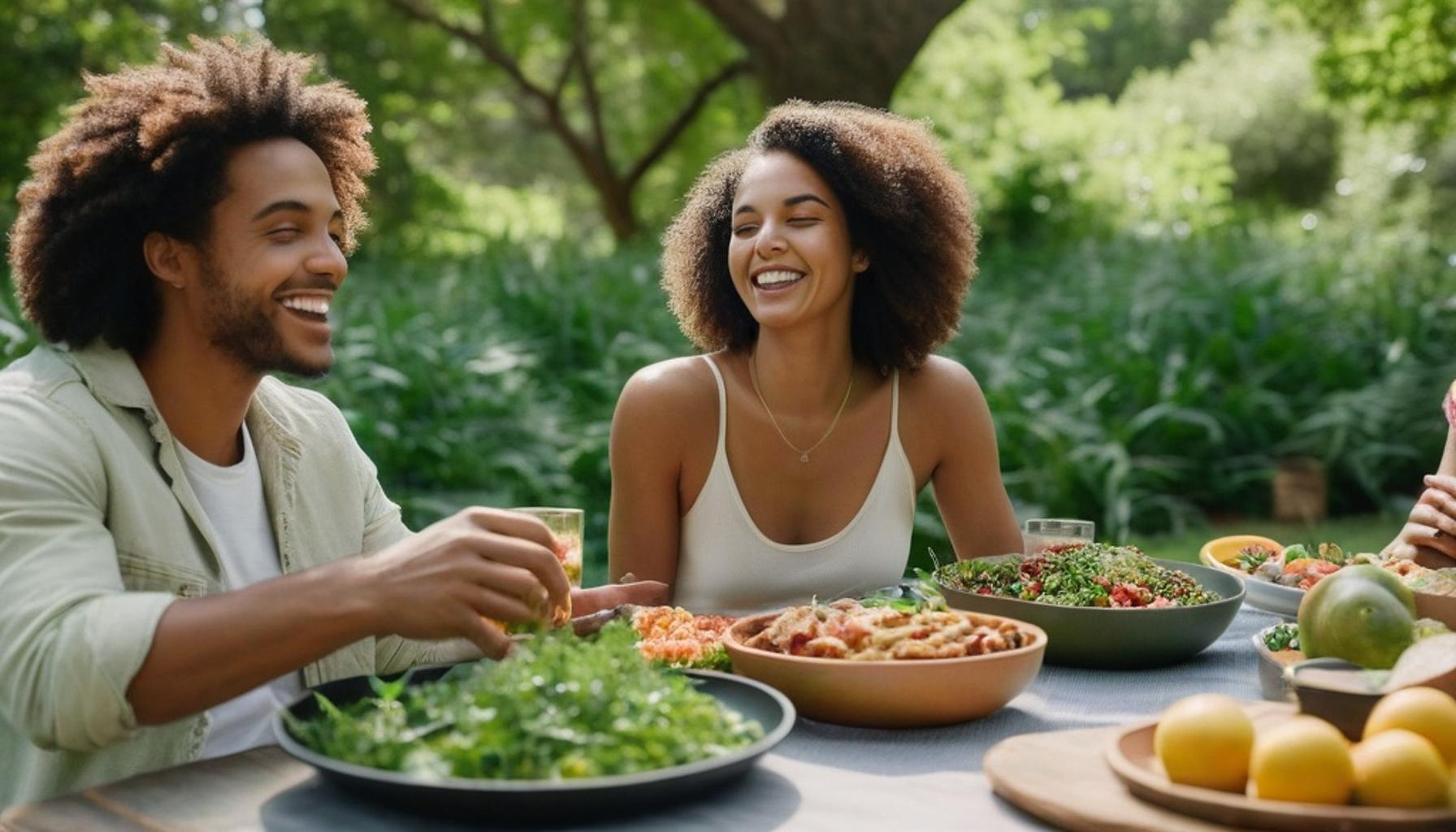
- Communal eating that slows consumption and encourages mindfulness
- Fermented and seasonal foods that support gut health naturally
This cultural influence on diet often explains why certain populations show lower rates of chronic disease despite limited access to modern nutritional science. In many Indigenous American communities, for instance, the “Three Sisters” planting method—corn, beans, and squash grown together—produced meals naturally balanced in fiber, protein, and complex carbohydrates long before nutrition labels existed.
A Growing Interest in Ancestral Eating
Nutritionists across the U.S. are increasingly studying traditional diets’ benefits, from Indigenous foodways to Mediterranean and Asian eating patterns. Universities from California to New York have launched research initiatives examining how these ancestral approaches might inform modern public health policy. The goal isn’t nostalgia, but practical insight for promoting health through culture in today’s fast-paced world, where convenience often overshadows connection.
So what exactly can modern eaters borrow from these time-tested traditions? Perhaps it’s slowing down at the dinner table, choosing whole ingredients over shortcuts, or simply eating together more often. The answer might reshape how we think about healthy eating habits altogether—and it may be closer to home than we realize.
SEE ALSO: Balancing Macronutrients: A Guide to Healthy Meal Planning
# From Family Tables to Public Health: The Data Behind TraditionNumbers are starting to back up what grandmothers always knew. According to research published by the National Institutes of Health, populations following traditional dietary patterns—rather than heavily processed Western diets—show markedly lower rates of cardiovascular disease and type 2 diabetes. This isn’t coincidence; it’s the measurable outcome of cultural dietary practices refined over centuries of trial, error, and observation.
The Science Catching Up to Tradition
Public health researchers are now using terms like “food heritage” and “dietary acculturation” to describe what happens when communities shift away from ancestral eating patterns. The findings are telling. Immigrant populations in the United States, for example, often see chronic disease rates climb within a single generation of adopting a typical American diet—a phenomenon researchers call the “immigrant health paradox.”
This shift illustrates just how powerful cultural influence on diet truly is, for better or worse. When traditional practices erode, so do their protective effects. Epidemiologists tracking Latino and Asian American communities have documented this pattern repeatedly: first-generation immigrants often arrive with lower rates of obesity and heart disease than the general U.S. population, yet by the second or third generation, those numbers converge—and sometimes exceed—national averages. Researchers largely attribute this to increased consumption of fast food, sugary beverages, and portion sizes that dwarf those found in countries of origin.
Consider a few concrete examples researchers point to:
- Okinawan elders following traditional low-calorie, vegetable-heavy diets show some of the highest longevity rates on record
- Mexican American families who maintain traditional cooking methods—beans, corn, chili peppers—report better metabolic health markers than those who shift toward processed convenience foods
- Mediterranean populations sticking to olive oil, fish, and vegetable-forward meals show significantly reduced heart disease risk, according to decades of published studies
- Native Hawaiian communities reviving pre-contact diets rich in taro, fish, and seaweed have documented improvements in blood pressure and cholesterol levels
These aren’t isolated anecdotes. They represent a growing body of evidence connecting dietary practices and health outcomes across vastly different cultures and continents. Even within the U.S., regional studies from places like New Orleans and rural Appalachia reveal similar threads—where communities retaining home-cooked, ingredient-based traditions often fare better metabolically than those relying heavily on packaged and fast foods.
Why Context Matters as Much as Content
What’s particularly striking is that it’s rarely one single “superfood” driving these benefits. Instead, it’s the entire ecosystem—how food is grown, prepared, shared, and paced throughout the day. A Nigerian-American household preparing jollof rice with fresh vegetables and shared communally offers different nutritional context than the same dish eaten alone, quickly, in front of a screen.
This distinction matters enormously for anyone serious about promoting health through culture rather than simply borrowing isolated ingredients from traditions without their surrounding practices. Nutrition scientists increasingly emphasize that mealtime rituals—slower eating, communal dining, and mindful preparation—may carry as much weight as the ingredients themselves. As American researchers dig deeper into these patterns, one thing becomes clear: the answers to modern chronic disease may already be sitting at family tables, waiting to be studied, understood, and perhaps, finally, respected.

Key Cultural Dietary Practices and Their Health Benefits
Across the globe, cultural dietary practices have quietly shaped healthier populations for centuries. From the olive-rich tables of the Mediterranean to the fermented staples of East Asia, these traditions reveal how cultural influence on diet can reduce chronic disease risk while preserving heritage. Below is a snapshot of traditional diets benefits that continue to inform modern nutrition science and demonstrate promoting health through culture in practice.
| Cultural Practice | Health Impact |
|---|---|
| Mediterranean Diet | Lowers heart disease risk by up to 30% through olive oil and fish |
| Japanese Washoku | Promotes longevity via balanced portions and fermented foods |
| Indian Ayurvedic Eating | Supports digestion using spices like turmeric and cumin |
| Nordic Diet | Improves metabolic health with whole grains and root vegetables |
SEE ALSO: Balancing Nutrition: The Role of Meal Planning in Healthy Eating Habits
# When Communities Reclaim the Kitchen: Modern Efforts Worth WatchingAcross the United States, a quiet movement is taking shape in community centers, tribal health clinics, and even hospital cafeterias. Public health officials are beginning to treat cultural dietary practices not as quaint tradition but as legitimate clinical tools—and the results are hard to ignore.
Prescribing Heritage Instead of Pills
Some healthcare systems have started “food as medicine” programs that specifically incorporate culturally relevant meals rather than generic dietary advice. In the Southwest, several tribal health programs partnering with the Indian Health Service now offer nutrition counseling built around traditional Native foods—bison, squash, wild rice, and foraged greens—instead of standardized handouts designed for a generic American patient.
Early data from these initiatives suggest something important: patients are more likely to follow recommendations that reflect their own cultural influence on diet rather than advice that feels foreign or clinical. Compliance rates for culturally tailored diabetes prevention programs have, in several pilot studies, outperformed generic low-fat diet recommendations by notable margins.
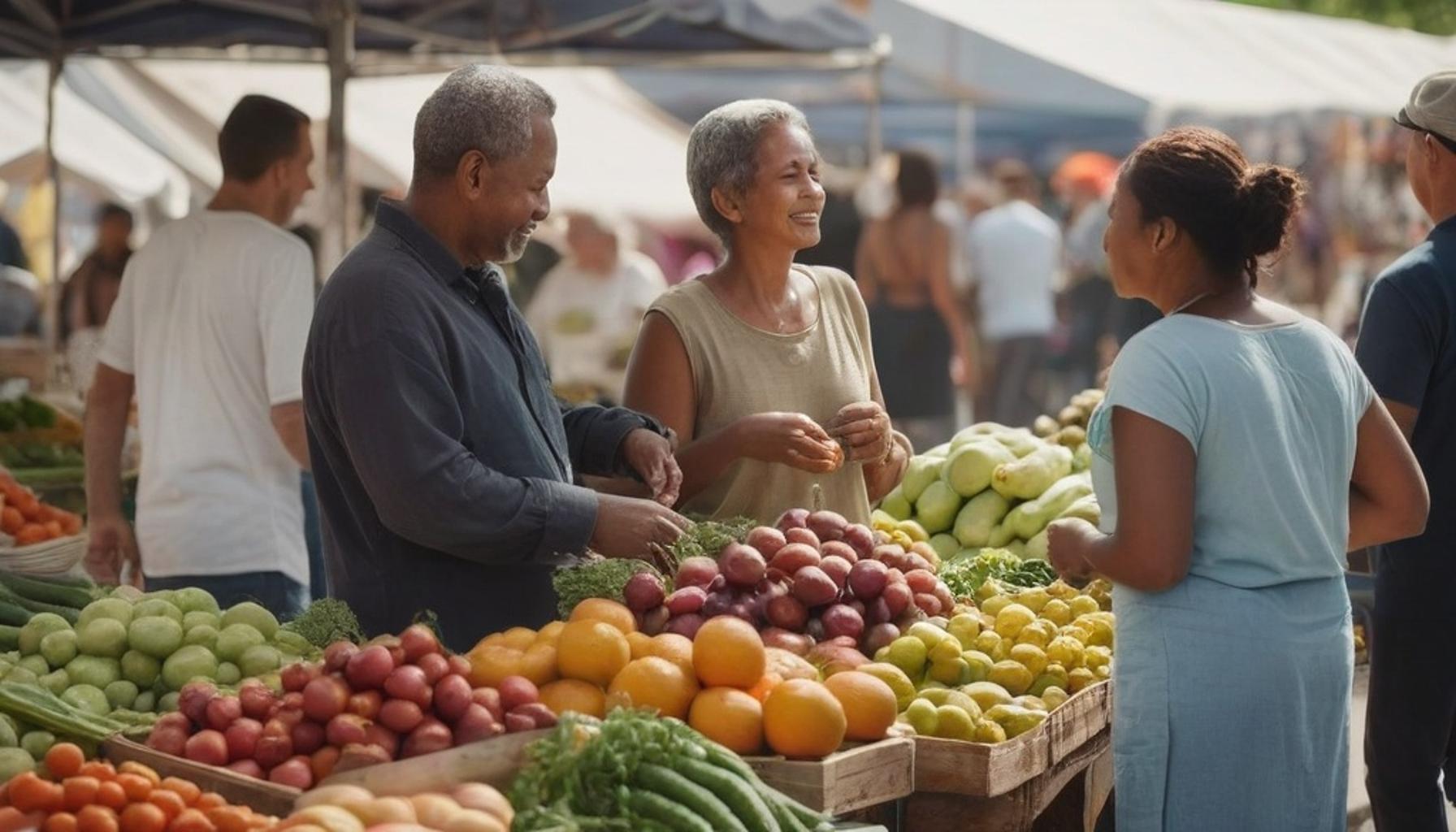
Boston Medical Center’s rooftop farm and “food pharmacy” model offers another example, supplying culturally specific produce—like collard greens, callaloo, and tomatillos—to patients from diverse immigrant communities managing chronic conditions.
What Researchers Are Still Trying to Figure Out
Not everything is settled science, though. Researchers are still debating exactly how much of the benefit tied to traditional diets benefits from ingredients versus lifestyle factors that travel alongside them—things like walking to markets daily, cooking from scratch, or eating meals at consistent times.
Some open questions currently being studied include:
- Whether fermented traditional foods (kimchi, sauerkraut, injera) offer measurable gut microbiome benefits comparable to lab-tested probiotics
- How much portion control embedded in traditional serving customs contributes to lower obesity rates independent of food choice
- Whether multigenerational cooking knowledge transfer affects long-term adherence to healthier eating patterns more than nutrition education alone
- To what extent stress reduction from communal eating rituals influences metabolic markers like cortisol and blood sugar
These aren’t small footnotes. They point toward a larger truth reshaping how professionals think about promoting health through culture: nutrition advice divorced from cultural context often fails, while advice rooted in familiar practices tends to stick.
Registered dietitians increasingly report better outcomes when working within a patient’s existing food traditions rather than imposing unfamiliar meal plans. A 2021 review highlighted that culturally adapted nutrition interventions improved healthy eating habits adherence significantly compared to standard, one-size-fits-all approaches.
For everyday Americans navigating grocery aisles filled with conflicting diet trends, this research suggests a surprisingly practical takeaway: the answers may not require adopting an entirely new diet, but rather rediscovering, refining, and trusting the one already passed down through family recipes.
Rethinking What’s Already on the Table
The evidence keeps pointing to the same conclusion: cultural dietary practices are not obstacles to better health—they’re often the missing ingredient in making health advice actually work. From tribal health clinics reviving bison and wild rice to hospital food pharmacies stocking callaloo and tomatillos, the pattern is consistent across very different communities.
What ties these efforts together is a simple insight that took modern medicine decades to catch up on: people follow through on habits that feel familiar, not foreign. That’s the real story behind dietary practices and health outcomes improving when programs stop asking patients to abandon their heritage and start asking how that heritage can be a tool.
None of this means every traditional dish is automatically healthy, or that nostalgia should override nutrition science. Portion sizes, cooking methods, and ingredient sourcing have shifted over generations, sometimes for the worse. The task isn’t blind preservation—it’s thoughtful adaptation.
Still, the broader lesson for Americans stands. The cultural influence on diet shapes far more than flavor; it shapes whether recommendations get followed at all. Recognizing traditional diets benefits alongside clinical guidance gives people a bridge between what doctors recommend and what actually ends up on the dinner table.
As research continues into gut health, portion customs, and communal eating rituals, one thing already seems clear: promoting health through culture isn’t a niche strategy—it may be one of the most practical public health tools available. Sometimes progress looks less like a new diet trend and more like a grandmother’s recipe, reexamined with fresh eyes and better data.
Frequently Asked Questions
How do cultural dietary practices like the Mediterranean diet contribute to long-term health in the US?
Cultural dietary practices such as the Mediterranean diet emphasize olive oil, fish, vegetables, and whole grains, which studies link to lower rates of heart disease and diabetes. Many Americans adopt these patterns not as strict diets but as sustainable lifestyle habits rooted in tradition. Because they focus on whole foods and balanced eating rather than restriction, they tend to be easier to maintain long-term compared to fad diets.
Can incorporating cultural dietary practices from my heritage help with weight management?
Yes, many traditional cultural dietary practices naturally emphasize portion control, plant-based staples, and mindful eating rituals that support healthy weight management. For example, Japanese practices like hara hachi bu, or eating until 80% full, can reduce overeating without feeling restrictive. Reconnecting with these ancestral eating patterns often feels more sustainable than following generic weight-loss diets.
Why do some cultural dietary practices include fasting, and are there health benefits?
Fasting is embedded in many cultural and religious traditions, such as Ramadan in Islam or Lent in Christianity, and often serves both spiritual and physical purposes. Research suggests intermittent fasting patterns similar to these practices may improve insulin sensitivity and support cellular repair processes. However, it’s important to approach fasting traditions safely, especially for people with underlying health conditions.
How can immigrant families in the US preserve healthy cultural dietary practices while adapting to American food environments?
Immigrant families can preserve healthy cultural dietary practices by shopping at ethnic grocery stores, cooking traditional meals at home, and teaching recipes to younger generations. Blending traditional ingredients with locally available produce helps maintain nutritional value while adjusting to the American food landscape. Community cooking classes and cultural food festivals also help reinforce these practices across generations.
Are there specific cultural dietary practices proven to reduce the risk of chronic diseases like heart disease?
Yes, dietary patterns like the traditional Okinawan diet, rich in sweet potatoes, seaweed, and soy, are associated with lower cardiovascular disease rates and increased longevity. Similarly, the traditional Nordic diet, featuring fatty fish, whole grains, and berries, has been linked to reduced inflammation and improved heart health. These patterns work because they naturally limit processed foods while emphasizing nutrient-dense, whole ingredients.
How do communal eating traditions in different cultures promote better health outcomes?
Communal eating traditions, such as family-style meals common in many Latin American and Asian cultures, encourage slower eating, portion awareness, and stronger social bonds, which are linked to better digestion and mental well-being. Sharing meals also often means a greater variety of foods on the table, promoting balanced nutrition. This social aspect of eating can reduce stress-related eating habits that are more common when meals are rushed or eaten alone.

Linda Carter
Linda Carter is a writer specializing in healthy habits and balanced living. With extensive experience helping readers build sustainable routines, she shares practical guidance on nutrition, physical activity, quality sleep, stress management, and emotional well-being. Her goal is to offer simple, accessible strategies that inspire people to care for their health and enjoy a more balanced life.